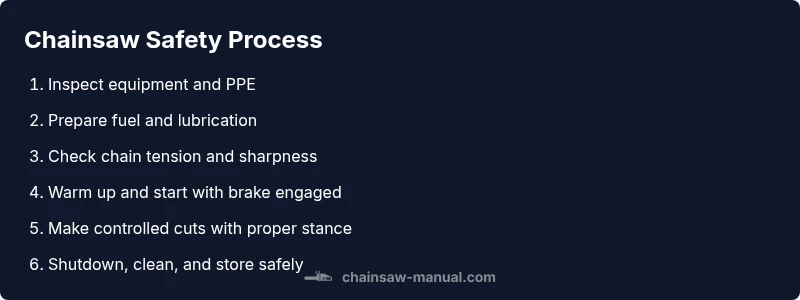
Chainsaw Safety & Use Guide: Start to Maintenance
A practical, safety-first guide from Chainsaw Manual on starting, operating, and maintaining a chainsaw with PPE, pre-checks, cutting techniques, maintenance routines, and troubleshooting tips.


You will learn how to safely start, operate, and perform basic maintenance on a chainsaw, plus essential safety gear, pre-cut checks, and simple troubleshooting steps. This guide covers prep, starting procedures, cutting techniques, maintenance routines, and common warnings to prevent injuries. Follow the steps in this article for a confident, safe woodworking workflow.
Why Chainsaw Safety Matters
Chainsaws are powerful tools, and safe use reduces the risk of severe injuries, kickback, and unintended felling. For homeowners and professionals, a disciplined safety routine is essential. According to Chainsaw Manual, the most effective way to prevent accidents starts before you pull the cord: select the right tool, inspect equipment, wear protective gear, and plan your cut. In practice, safety is about predictability and control, not fear. Take a moment to assess the worksite: clear debris, remove pets, and ensure stable footing. A calm, methodical approach saves time and protects everyone nearby. Even small mistakes can have large consequences when cutting on uneven ground or in damp conditions. Embrace a safety-first mindset as you approach every job.
Core Safety Gear and PPE
Your personal protective equipment (PPE) is your first line of defense. Always wear a helmet with a full-face shield, hearing protection, and impact-rated gloves. Wear cut-resistant chaps and sturdy boots with non-slip soles; steel toes are recommended for heavy-duty work. Choose hearing protection rated for chainsaws and eye protection that fits comfortably under the shield. Ensure the chain brake is functional and practice using it before cutting. Keep a first-aid kit and a charged mobile phone within reach in case of emergencies. These items are not optional accessories; they are essential to a safe workflow.
Pre-Operational Checks and Planning
Planning reduces surprises on site. Inspect the saw for loose bolts, damaged plastics, and cracked handles. Check chain tension: it should be snug on the bar but still movable by hand. Ensure the chain is sharp; dull teeth require more force and increase kickback risk. Verify the bar oil reservoir is full and the fuel mix is fresh if you’re using a two-stroke engine. Clear the work area of trip hazards, identify a retreat path, and establish a safe cutting zone with a clear distance from bystanders. By verifying these items, you set yourself up for controlled, predictable work.
Starting Procedures and Warm-Up
Start with a clear, stable stance and fully engaged chain brake. If your model has a choke, set it to the starting position and prime if required. With one hand on the rear handle and the other on the front handle, pull the starting cord smoothly—avoid jerking motions. Allow the engine to warm for 10–20 seconds and slowly release the choke as it stabilizes. Confirm the chain brake is released only after the saw idles smoothly and the bar is clear of any obstruction. A controlled start minimizes kickback risk and protects you during the first cuts.
Basic Cutting Techniques for Small to Medium Jobs
Maintain a solid stance with feet shoulder-width apart and your weight balanced. Use two hands on the saw and keep the bar close to your body to minimize fatigue. Cut with the saw at a comfortable height, never overreach, and avoid cutting from above shoulder height. Be mindful of kickback zones on the upper bar; avoid forcing the chain toward wood that can pinch or bind. Plan each cut, watch for binders, and maintain steady, controlled motions. When felling small trees, use a simple notch and back-cut sequence with a proper release arc. These fundamentals help you complete tasks safely and efficiently.
Maintenance Essentials and Routine Checks
Maintenance is safety insurance. After each use, clean the saw and remove debris from the cooling fins and air filters. Check the chain tension again and sharpen if it’s dull; a sharp chain cuts with less force and reduces kickback. Refill bar oil, and replace the fuel if a two-stroke engine has run long enough to degrade the mix. Store fuel in a proper container away from heat sources. Periodically inspect the spark plug, purge the carburetor, and replace worn parts as needed. A proactive maintenance routine extends tool life and keeps performance predictable. Chainsaw Manual analysis shows that regular lubrication and timely chain sharpening reduce wear and improve starting reliability.
Troubleshooting Common Issues
- Engine won’t start: ensure fuel is fresh, check the spark plug, and verify the chain brake is disengaged before starting. - Excessive smoke: may indicate too rich fuel mix or clogged air filter. - Chain won’t move: check tension, bar lubrication, and look for a jam in the bar groove. - Kickback occurs: adjust stance, avoid engaging the upper quadrant of the bar, and maintain a firm grip. - Overheating: pause work, allow cooling, and verify air intake is clean. In many cases, a simple adjustment returns the saw to safe operation.
Chainsaw Manual's Final Word
The Chainsaw Manual team emphasizes safety-first practice for every cut. By following structured checks, wearing PPE, and using proper techniques, you minimize risk and improve results. Our verdict is clear: invest time in preparation, perform regular maintenance, and revisit safety fundamentals before each job. When in doubt, pause, reassess, and consult this guide again. Responsible chainsaw use protects workers, bystanders, and property while delivering reliable performance.
Tools & Materials
- PPE: helmet with face shield, hearing protection, gloves(ANSI-certified hearing protection; full-face shield preferred)
- Cut-resistant chaps or pants(Leg protection with ANSI or EN certification)
- Sturdy boots with nonslip soles(Steel toe optional for heavy-duty work)
- Chainsaw(Gas-powered or battery-powered; ensure model has chain brake)
- Bar oil(Keep reservoir topped up for cooling and lubrication)
- Fuel mix (gas-oil two-stroke, per manufacturer)(Use fresh mix; never store old fuel for long periods)
- Fuel container(Approved container; store away from ignition sources)
- Chain sharpening file or session kit(Maintain sharpness for clean cuts and safety)
- Skrut or scrench (chain tension tool)(Use for safe adjustment and tension checks)
- First-aid kit and phone(Keep within reach; know emergency contacts)
Steps
Estimated time: 60-75 minutes
- 1
Prepare workspace and PPE
Clear the area of trip hazards, secure stable footing, and position a retreat path. Don all PPE before touching the saw. Ensure bystanders are at a safe distance and the work surface is level.
Tip: Double-check that the helmet shield is clean and glasses fit under it for clear visibility. - 2
Inspect the saw and chain
Check for loose fasteners, cracks, and damaged housing. Inspect chain tension and sharpness; adjust if necessary. Verify chain brake works and the bar is free of debris.
Tip: If the chain is loose, loosen the bar nuts, adjust tension, and retighten to specification. - 3
Prepare fuel and lubrication
Fill the bar oil reservoir and mix fuel per manufacturer guidelines. Wipe up any spills and ensure the fuel cap is sealed. Avoid overfilling to prevent spills.
Tip: Use fresh fuel and avoid ethanol blends in cold weather if not recommended by the manufacturer. - 4
Start with chain brake engaged
Set the choke to start position if required, prime if your model has a primer. Keep the saw resting on solid ground with one hand on the rear handle and the other on the front handle.
Tip: Never start with the saw suspended; maintain secure footing and firm grip. - 5
Warm up and test idle
Allow the engine to idle 10–20 seconds. If it stalls, recheck fuel and spark. Confirm the chain remains stationary during idle.
Tip: If idle is erratic, stop and inspect carburetor and air filter. - 6
Position yourself for the cut
Stand with feet shoulder-width apart, knees slightly bent, and the saw close to your body. Keep both hands on the handles and your elbows slightly bent. Plan a safe retreat path behind you.
Tip: Maintain a balanced stance to absorb kickback energy safely. - 7
Make controlled cuts
Begin with light, shallow cuts to assess wood density and pinch risk. Use the lower portion of the bar and avoid cutting from overhead positions. Maintain steady pressure and never force the chain.
Tip: Watch for wood pinching and back off if resistance increases suddenly. - 8
Shutdown and post-work check
Engage the chain brake, switch off the engine, and allow the saw to cool before moving. Clean off debris, wipe fuel spills, and store the tool in a safe location.
Tip: Inspect the blade and drive links for wear after each session.
FAQ
What PPE is mandatory when operating a chainsaw?
Mandatory PPE includes a helmet with a face shield, hearing protection, cut-resistant pants or chaps, gloves, and sturdy boots. Eye protection and a protective jacket are recommended in dusty or windy conditions. Always verify PPE meets local safety standards before starting.
Wear full PPE—it's your best defense against chainsaw injuries.
Can I operate a chainsaw indoors or in enclosed spaces?
Operating a chainsaw indoors is strongly discouraged due to carbon monoxide, poor ventilation, and risk of debris. If indoors, ensure a purpose-built, ventilated workspace and limit usage to non-emitting tools where possible.
Avoid indoor use unless you have a properly ventilated area and training.
How do I know when to sharpen the chain?
If cutting feels harder, the saw pulls or bounces, or you leave scorch marks, the chain likely needs sharpening. Use a proper file and maintain uniform tooth height for best results.
Dull chain means more effort and higher risk—sharpen when performance drops.
How often should I perform maintenance on a chainsaw?
Perform maintenance after each use: clean cooling vents, check chain tension, and refill bar oil. Schedule a deeper inspection every few months or after intense use to inspect the carburetor and fuel system.
Keep a regular maintenance schedule for reliability and safety.
Is it safe to operate a chainsaw with a partner nearby?
Yes, but establish clear communication, maintain safe distances, and designate one person to watch the workspace while the other operates the saw. Never rely on a partner to control your safety.
Work with a partner only when you can coordinate and keep everyone out of the danger zone.
What should I do if the chain binds in a log?
Release the throttle, retreat to a safe position, and carefully back the saw away. Check for pinch points, clear debris, and consider adjusting the cut to reduce resistance before resuming.
Back away slowly, clear debris, and reassess the cut.
The Essentials
- Wear full PPE and plan every cut
- Check chain, bar oil, and fuel before use
- Start with a controlled warm-up and correct stance
- Maintain sharp chain for safe, efficient cutting