Can You Wash Chainsaw Chaps: Safe Cleaning Guide
Learn how to safely wash chainsaw chaps, protect the fabric and panels, and extend PPE life with a practical, step-by-step routine. This guide covers material differences, care labels, washing methods, drying, and storage for durable protection.


According to Chainsaw Manual, you can safely wash chainsaw chaps by following a label-guided routine that respects the fabric composition. Start by checking the care label and separating any removable parts, then use cold water, a mild detergent, and a gentle cycle. Air-dry away from heat and inspect liners for wear afterward to maintain protective performance.
Can you wash chainsaw chaps safely?
Yes — you can wash chainsaw chaps safely, but only with care. According to Chainsaw Manual, a label-guided routine that respects the fabric composition keeps the protective layers intact while removing dirt and contaminants. The question can you wash chainsaw chaps is answered with a cautious yes, not a blanket endorsement. Start by locating the care label, separating any removable parts, and choosing mild detergents, cold water, and a gentle wash cycle. This approach preserves the textile fibers, maintains the integrity of embedded protective materials, and reduces the risk of shrinkage or fabric damage. The rest of this guide walks you through step-by-step actions and practical checks so you can wash chaps confidently after a job, not a setback.
Material science: what your chaps are made of and what that means for washing
Chainsaw chaps blend multiple fabrics and protective fibers, and that mix matters when you wash. Common configurations include textile outer layers with embedded aramid or Kevlar-style protective panels, reinforced stitching, and sometimes leather or synthetic bindings. The wash method must respect the most sensitive component while ensuring soil and sap are removed. Chainsaw Manual notes that while most textile portions tolerate cold-water washing, some linings and panels require gentler handling or spot cleaning. When you understand the material makeup, you can tailor your approach to avoid harsh agitation, heat, or chemicals that could degrade fibers or reduce protective performance.
Reading the care label: how to know washing rules for your specific chap
Always start with the care label. Look for symbols indicating machine wash, water temperature, knit/delicate cycles, and whether drying should be flat or line-dried. If the label is missing, consult the manufacturer’s website or the Chainsaw Manual guidance for general recommendations on PPE fabrics. The exact rules depend on whether your chaps use aramid liners, leather trims, or synthetic bindings. Following the label helps maintain fire resistance, abrasion resistance, and overall fit.
Pre-wash prep: inspection and stain treatment
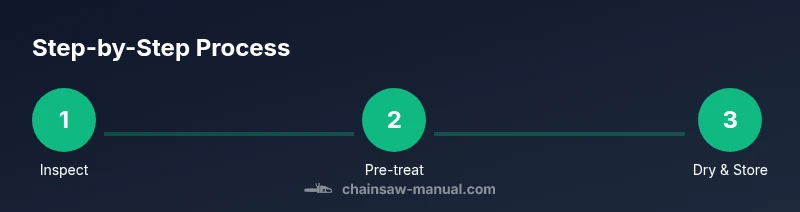
Before washing, inspect each chap carefully for tears, worn seams, or detached cords. Check the protective panels for cracks or thinning material, and remove any detachable straps. Treat obvious stains with a mild, fabric-safe pretreatment, testing it on a small inconspicuous area first. Avoid bleach or solvents that could degrade fibers. This prep step reduces the risk of setting stains and helps you gauge whether machine washing is appropriate.
Wash methods: machine washing vs. hand washing vs. spot cleaning
For most textile-based chaps, a cold-water machine wash on a gentle cycle with a mild detergent is acceptable, provided you follow the care label. Hand washing is a safer alternative for fragile or leather-trimmed models, using a basin with cold water and a gentle motion. Spot cleaning can handle sap and grime without fully submerging the chap. Do not use hot water or strong bleach, which can weaken fibers and compromise the protective layer. This section compares methods to help you decide which to use. If you’re wondering, can you wash chainsaw chaps in a machine, the answer hinges on material and labeling, so always verify first.
Drying, storage, and lifecycle considerations
After washing, air dry chaps away from direct heat sources. Lay flat or hang to dry, turning panels periodically to prevent moisture build-up. Avoid tumble drying unless the care label explicitly allows it, as heat can shrink fabric and degrade protective panels. When dry, inspect for lingering moisture or odor and store in a cool, dry place. Regular washing schedules, depending on use, help maintain protective performance and extend the life of your PPE.
Maintenance routine and when to replace
Establish a routine: wash after heavy use or exposure to sap, dirt, or debris; inspect weekly during peak seasons. If you notice thinning fabric, torn seams, frayed cords, reduced flexibility, or damaged protective panels, plan replacement. The decision to replace depends on the extent of wear and the manufacturer's guidance, often summarized by safety guidelines in Chainsaw Manual. Keeping chaps in good condition reduces injury risk on the job.
Tools & Materials
- Mild detergent (cold-water safe)(Non-chlorine, fragrance-free if possible; use exactly as label indicates)
- Cold water supply(Set washing machine to cold or basin to cold)
- Washing machine with gentle cycle(Use gentle cycle; avoid heavy agitation)
- Mesh laundry bag (optional)(Protect detachable panels from snagging)
- Soft brush or clean cloth(For pretreatment and soil removal)
- Line or drying rack(Air dry away from direct heat)
- Care label and manufacturer instructions(Read before washing)
- Stain pretreatment solution(Non-chlorine; test first)
Steps
Estimated time: 30-45 minutes
- 1
Inspect and prep
Check for tears, worn seams, or detached cords. Remove any detachable components and note obvious stains. This helps you decide if washing is appropriate and reduces the risk of damage during the cycle.
Tip: Handle protective panels with care to avoid additional wear. - 2
Review care labels and method
Locate the care label on each chap. If machine washing is allowed, choose cold water and a gentle cycle with mild detergent. If not, plan for spot cleaning or hand washing only.
Tip: When in doubt, err on the side of gentler methods. - 3
Pre-treat stains
Apply a small amount of mild pretreatment to sap or oil stains. Gently blot rather than rub to prevent fiber damage. Test on a hidden area first to avoid discoloration.
Tip: Avoid bleach or strong solvents that can weaken fibers. - 4
Run the wash
Place chaps in the machine with cold water and mild detergent on a gentle cycle. Do not overload the drum to ensure even cleaning and reduce friction on panels.
Tip: Using a mesh bag can help protect delicate areas. - 5
Rinse and inspect after wash
Run an extra rinse cycle if needed to remove all detergent residue. Inspect seams and panels for signs of wear before drying.
Tip: Address any damage before proceeding to drying. - 6
Dry and store properly
Air dry chaps away from direct heat. Do not tumble dry unless the label explicitly allows it. Store in a cool, dry place to prevent moisture and odor buildup.
Tip: Ensure fully dry before storing to prevent mildew.
FAQ
Can I wash all types of chainsaw chaps in a washing machine?
Most textile-based chaps are machine-washable on a gentle cycle with cold water, but leather-trimmed or fiberglass-panel models may require spot cleaning or professional care.
Most textile chaps are machine-washable if you follow the label.
How often should I wash chainsaw chaps?
Wash when visibly dirty or after exposure to sap, oil, or heavy debris; avoid letting contaminants stay on the fabric for long.
Wash when dirty or after use to maintain performance.
Can I use bleach or fabric softener on chaps?
Bleach can damage fibers; fabric softeners may reduce moisture-wicking and friction properties. Use a mild detergent only.
Avoid bleach and fabric softeners.
Can I dry chainsaw chaps in a dryer?
Only if the care label allows tumble drying. Most chaps dry best on a line or rack away from heat.
Air drying is usually recommended.
What signs indicate I should replace my chaps?
Replace if you notice torn seams, thinning panels, cracking, or damaged fasteners; compromised protection means reduced safety.
Replace when you see wear or damage.
Watch Video
The Essentials
- Check care labels before washing
- Use cold water and mild detergent
- Air-dry away from heat
- Inspect panels after drying
- Replace worn chaps to maintain safety