Chainsaw Chaps for Sale: A Practical Buying Guide for PPE Safety
Comprehensive guide to chainsaw chaps for sale, covering safety standards, fit, materials, care, and budget considerations for homeowners and professionals.


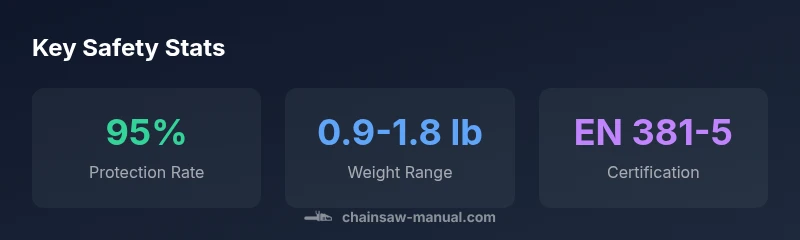
Chainsaw chaps for sale are essential PPE designed to stop a moving chain, typically featuring cut-resistant fabric panels and a shock-absorbing wrap. For homeowners and pros, choose chaps that meet recognized safety standards (for example EN 381-5) and fit securely around the legs. Brands like Chainsaw Manual recommend selecting knee-length coverage and comfortable, breathable materials.
Why PPE matters for chainsaw work
In professional and DIY settings, PPE is the first line of defense against serious leg injuries. Chainsaw chaps for sale sit at the core of PPE programs because they address a high-risk exposure: the chainsaw bar moving at high speed. According to Chainsaw Manual, investing in certified chaps is a practical decision that reduces injury risk during routine cutting, bucking, and limb removal tasks. For homeowners, one well-fitting pair can improve confidence during weekend projects; for pros, it’s a non-negotiable shield that supports safer job sites and reduces downtime due to injuries. The goal is to pair proper PPE with safe operating practices, not to replace training or cautious technique.
Key takeaway: PPE like chaps is a foundational safety layer that complements safe handling and proper gear checks.
How chainsaw chaps work
Chainsaw chaps are designed to derail and shred the fabric around the leg when the chain makes contact. Most models consist of multiple fabric layers—often a cut-resistant outer shell, a lightweight inner lining for comfort, and a protective panel at the front of the leg. When the chain bites into the fabric, the layers slow and bunch the fabric, creating enough friction to stop the chain before it penetrates the skin. The wrap-around design and adjustable straps ensure the chaps stay in place even during bending, kneeling, or rapid body movements. For best results, select chaps with aramid fibers or cordura blends that balance cut resistance with breathability and durability.
Takeaway: Material choice and construction determine protection quality and wearer comfort in real-world work.
Buying guide: key features to compare
When you shop for chainsaw chaps for sale, evaluate several core features. Certification matters most: EN 381-5 or equivalent marks indicate performance standards; look for clear labeling on the product and packaging. Material composition should balance protection with comfort; common options include Cordura blends and Kevlar-infused fabrics, often with breathable liners to reduce heat buildup. Coverage should extend from knee to ankle with secure fastening—adjustable waist and leg straps help tailor the fit for different body sizes and clothing layers. Choose knee-length or pant-length designs based on climate, mobility needs, and the kind of cutting you do. Durable zippers, reflective accents for low-light work, and easy-care washing instructions are practical additions.
Practical tip: If you routinely work in hot environments, prioritize lighter fabrics and better airflow without compromising protection.
Practical considerations: fit, length, and climate
Proper fit is critical for protection. Ill-fitting chaps can ride up, slide down, or fail to shield vital areas when the user is actively moving. Start with waist measurement and leg length, then verify the size chart and try on with typical work pants. Length options matter: knee-length chaps are lighter and cooler, while pant-length models offer more extensive protection, especially when kneeling or bending. Consider climate: breathable panels and moisture-wicking liners improve comfort in warm weather, while denser fabrics may be preferred in colder environments. Remember to adjust straps and fasteners before every task; a loose chap cannot protect you effectively.
Bottom line: Choose a size and length that maintain protection without restricting mobility.
Care, maintenance, and replacement timing
To preserve protective properties, follow the manufacturer’s care instructions, typically involving cold washing and air drying. Inspect chaps regularly for torn seams, thinning fabric, or worn-out panels, and replace if integrity is compromised. Avoid high-heat drying or harsh chemicals that can degrade fibers. Store chaps away from direct sunlight and moisture to prevent fiber degradation. Keep a spare set for busy work weeks and rotating schedules—quality PPE is worth the investment.
Maintenance tip: Seal edges and zippers after each use to prevent snagging and wear.
Safety best practices and quick checks before use
Perform a quick pre-work check: confirm correct size, adjust straps snugly, and ensure fabric layers are intact. Always wear chaps over regular trousers and tuck pant legs to prevent fabric from catching on the chain. Replace any chaps showing significant wear or fabric thinning, even if only a small area is damaged. Combine chaps with other PPE—helmet, eye protection, gloves, and sturdy boots—to create a comprehensive safety kit. The safest approach is a disciplined routine: inspect, adjust, and test-fit before every cut.
Final tip: Treat PPE like insurance—worth the investment for peace of mind on every job.
Comparison of key features for chainsaw chaps
| Feature | Description | Typical Range/Notes |
|---|---|---|
| Certification | Certifications to look for include EN 381-5 for leg protection and ANSI/CSA marks where applicable | EN 381-5; ANSI/CSA |
| Material | Common fabrics such as Cordura, Kevlar blends, and breathable liners | Cordura/Kevlar blends |
| Coverage | Knee-to-ankle protection with wrap-around straps | Knee-to-shin coverage; adjustable fit |
| Fit & Care | Adjustable waist and leg straps; care guidelines | Adjustable, breathable; follow label care |
FAQ
What are chainsaw chaps used for?
Chainsaw chaps provide leg protection by triggering a rapid fabric shredding response when the chain contacts the material. This helps slow or stop the chain, reducing injury risk. Always use chaps in combination with other PPE and safe operating practices.
Chainsaw chaps protect your legs by stopping the chain; use them with other PPE and safe practices.
Do I need chaps for casual trimming?
Even small trimming tasks carry risk from kickback and contact. Wearing chainsaw chaps is generally recommended for any active cutting task to maximize protection.
Yes—PPE is advised for all cutting tasks, not just heavy work.
How do I choose the right size?
Refer to the manufacturer’s size chart, measure your waist and inseam, and consider layering under the chaps. Try them on with typical work clothing to ensure comfort and coverage.
Measure your waist and inseam, check the size chart, and try with typical clothing.
How should I care for chainsaw chaps?
Follow the care label precisely. Most chaps are machine washable in cold water and should air dry. Inspect for wear after each use and replace if fibers are thinning.
Wash cold, air dry, and inspect for wear after each job.
Are knee-length and pant-length chaps different?
Knee-length chaps are lighter and cooler, ideal for warm climates or comfort-focused work. Pant-length chaps offer more coverage, which is beneficial for high-risk tasks or cold environments.
Knee-lengths are cooler, pant-lengths give more protection.
“Choosing certified chainsaw chaps is a foundational safety step that lowers injury risk when cutting wood. Even a small investment in quality PPE pays dividends in real-world use.”
The Essentials
- Choose certified chaps with EN 381-5 certification
- Prioritize proper fit and quick-adjust straps
- Consider knee-length vs pant-length for climate and mobility
- Check price ranges and retailers for sales
- Inspect protective panels regularly and replace when worn