Can You Chainsaw in the Rain? Safety Tips & Guidance
Discover whether you can operate a chainsaw in wet weather, the risks involved, PPE requirements, maintenance checks, and practical steps from Chainsaw Manual to stay safe during rain.


Yes, you can operate a chainsaw in light rain or wet conditions, but only with strict safety measures. The biggest hazards are reduced traction, slippery footing, kickback risk, and water ingress into the engine or electrical components. If rain intensifies or hazards increase, postpone work. Wear full PPE, check weather forecasts, and maintain a firm stance.
Can You Chainsaw in the Rain? What Changes in Wet Weather
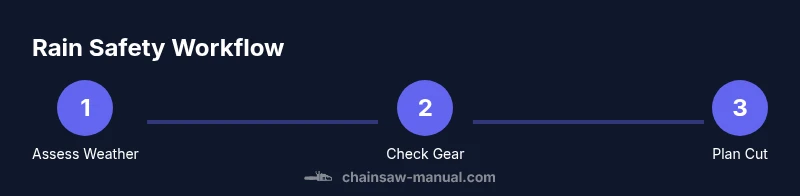
The short answer is yes, you can run a chainsaw in rain, but the conditions demand heightened vigilance and deliberate adjustments. Wet weather shifts how wood behaves, how footing grips the ground, and how fast you can react to a kickback surge. According to Chainsaw Manual, the core hazards in rain are reduced traction on slick surfaces, slippery footing on roots or mud, the increased likelihood of kickback when cutting damp wood, and potential water intrusion into engine compartments or electrical components if the saw is used near standing water. These risks compound quickly on slopes, near embankments, or in areas with loose debris. To stay safe, adopt a low, stable stance with your weight distributed evenly and your knees slightly bent. Keep the bar path aligned with your body to minimize the chance of a kickback arc toward your legs. Before starting, dry the saw’s handles and chain surface to improve grip, and inspect the chain oiling system so the bar maintains proper lubrication even in damp air. If visibility worsens or the rain intensifies, pause work and reassess—safety trumps productivity. The Chainsaw Manual team emphasizes weighing necessity against weather while following a checklist of safety measures to guide decisions on whether to proceed.
PPE and Gear for Wet Conditions
Wet weather demands enhanced personal protective equipment (PPE) and weather-appropriate gear. The goal is to maintain visibility, protect against moisture, and preserve dexterity without compromising safety. Start with a certified hard hat that includes a face shield or safety goggles, and attach hearing protection to dampened ears. Gloves should be waterproof with a good grip, and boots must be non-slip with a steel toe for protection and stability on slick surfaces. Wear a high-visibility rain jacket and waterproof pants with integrated gaiters to seal against splashes and mud. For added protection, use cut-resistant chainsaw chaps or pants and keep a dry towel handy to wipe the chain drive area during breaks. Always check that clothing does not drape over the bar or interfere with throttle control. In orderly, well-lit work areas, rain gear allows you to maintain core warmth and focus, which reduces reaction time delays when you encounter sudden changes in wood density or ground conditions. The Chainsaw Manual approach to rain work centers on keeping workers dry, visible, and fully protected while maintaining control of the tool, even as conditions shift mid-task.
Equipment Readiness and Maintenance in Moist Conditions
Wet environments call for extra attention to equipment readiness. Start with a visual inspection of the bar and chain for moisture buildup and sap that can cause slick handling. Ensure the chain brake is functioning, and confirm that the chain tension is correct; damp wood can increase friction, so a properly tensioned chain reduces the risk of derailment. Check the air intake and fuel delivery system for moisture that can cause misfires or stalling, and keep spark plugs or electronic ignition dry and free of condensation if your saw uses them. Keep a reliable supply of chain oil and verify that the oil reservoir is feeding adequately under cooler, wetter conditions where oil viscosity might change. In cold rain or damp environments, allow the engine to warm up gradually before applying full throttle to prevent sudden engine load that could cause stalls. Always store ignition keys or power switches in an accessible, dry location and avoid resting the saw on wet, uneven surfaces where it could slip. Chainsaw Manual notes that moisture management and mindful maintenance are foundational to safe operation in rain.
Safe Work Practices When Rain Falls
Rain changes how you position your body and how you cut. Maintain three points of contact with your body and the saw at all times—one hand on the rear handle and one foot forward for balance. Keep your feet wide apart on stable ground; avoid muddy patches, slick leaves, and exposed roots that can shift under load. Plan cuts with a conservative approach, selecting trees or branches where the weight and force are predictable. Use light, controlled cuts and avoid aggressive feed pressure that can cause the chain to bind or slip on damp wood. When felling or batching multiple cuts, keep a clear escape path and never turn your back to the fall line; wet foliage can obscure the direction of potential movement. If you must work close to water, ensure that power sources and extension cords are well away from moisture, and never operate near standing water where splash or spray could reach the spark or hot components. The Chainsaw Manual guidance stresses deliberate, measured actions over speed, particularly in rain.
Weather Limits: When to Stop and Postpone Work
Even experienced operators know when the forecast is too risky. If rain becomes heavy, visibility is reduced, or ground conditions degrade to near-mud, it’s time to stop. Wind gusts can suddenly reshape the work area, increasing the chance of slips or branches striking the operator. If the work area is on a slope or near soft soil, postpone tasks until after conditions improve or a safer plan is in place. Remember that water exposure can compromise critical components and grip; delaying now can prevent expensive repairs and injuries later. Chainsaw Manual recommends establishing a threshold for proceeding based on weather reports, ground conditions, and the operator’s comfort with handling a high-risk situation in wet conditions.
Aftercare: Cleaning and Storage in Wet Environments
Post-work care is essential when operating a chainsaw in rain. Wipe down the exterior to remove sap, mud, and moisture that can accelerate corrosion. Check the air filter and cooling fins for damp debris to prevent overheating or poor airflow on the next start. Dry the chain brake, bar oiling nozzle, and any switches; moisture in control surfaces can affect responsiveness. Store the saw in a dry, ventilated location away from the elements; consider using a moisture-absorbing desiccant or a weatherproof cover. Routine lubrication will help extend bar life, particularly after rain-soaked sessions. By performing thorough post-use checks, you reduce the risk of rust, stuck components, and delayed starts. Chainsaw Manual’s approach to aftercare emphasizes drying, inspection, and proper storage as essential parts of any rain-use routine.
Training, Standards, and Local Regulations
Weather-related work safety is an ongoing process that benefits from formal training and adherence to local regulations. Seek instruction on rain-specific handling, safe cutting techniques, and PPE competency, then reinforce learning with on-site practice to build muscle memory. Local jurisdictions may impose additional PPE or noise-control requirements during wet conditions; always verify these ahead of time. Chainsaw Manual advocates integrating safety training with practical field experience, ensuring that workers at all levels can assess risks, adjust techniques for rain, and respond effectively if conditions worsen. Regular refreshers and toolbox talks help keep safety top of mind and reduce the likelihood of weather-induced incidents. Through education and practice, professionals and DIY enthusiasts alike can responsibly manage rain-work scenarios.
Authority Sources
- OSHA: https://www.osha.gov
- Extension (Oregon State): https://extension.oregonstate.edu
- U.S. Forest Service: https://www.fs.fed.us
Tools & Materials
- Chainsaw protective chaps or pants(Waterproof option preferred; ensure fit over work clothes)
- Hard hat with face shield(ANSI Z89.1 rated)
- Hearing protection(Pliable earmuffs or plugs)
- Gloves with decent grip and water resistance(Avoid slick synthetic gloves that smear oil)
- Non-slip boots (steel toe optional)(Boots with aggressive tread; dry socks recommended)
- Waterproof rain jacket and pants(Rear vents for comfort; avoid loose cuffs)
- First aid kit and fire extinguisher(Basic supplies for remote work areas)
- Dry towels or rags(For wiping moisture from controls and chain)
- Chain oil and bottle for refills(Ensure oil flow is clear in damp air)
- Tool kit for on-site maintenance(Wrenches, screwdrivers, spare spark plug if gas saw)
Steps
Estimated time: 60-90 minutes
- 1
Inspect the saw
Check chain tension, sharpness, and lubrication. Wipe moisture from the handles and verify the chain brake works. Ensure fuel and oil are topped up and that moisture hasn’t entered any fuel lines.
Tip: A dry grip improves control; wipe hands and handles with a towel before starting. - 2
Position yourself and plan the cut
Stand with feet shoulder-width apart, one foot slightly forward for balance. Plan the cut path so you avoid slippage due to wet ground or debris. Visualize the arc of the potential kickback and align your body to move away from it.
Tip: Keep the saw close to your body to maintain control, but never adjacent to your torso. - 3
Secure footing and establish a safety zone
Clear the area of fragile footing like loose leaves or standing water. Mark a safe boundary, keeping bystanders at a distance. If the ground is slick, consider using a board or mat to redistribute weight and reduce slips.
Tip: Use a buddy system where a person stands at a safe distance to alert you to hazards. - 4
Start and warm up the saw
Start the saw following the manufacturer’s instructions, ensuring you have dry hands and a dry surface. Allow a brief warm-up time so the engine reaches operating temperature before applying full throttle.
Tip: If the weather is chilly, idle the saw until warm engines run smoothly to prevent stalling. - 5
Make controlled cuts with proper technique
Apply steady pressure and let the chain do the work; avoid forcing the cut. Cut from the downwind side when possible to prevent oil and sap from blowing toward you. Pause between cuts to prevent overheating of the bar and chain.
Tip: Position the bar slightly above the wood to reduce pinching and kickback potential. - 6
Shut down, clean, and store
Power down and allow the saw to cool before wiping off moisture. Clean sap or debris from the bar, chain, and cooling fins. Store the saw in a dry, secure place, preferably covered from heavy rain.
Tip: Dry the saw completely before storage to minimize corrosion.
FAQ
Can you chainsaw in the rain?
Yes, you can operate a chainsaw in light rain with strict safety measures. The tasks should be limited by conditions, and PPE must be used correctly. If rain worsens, stop and reassess the plan.
Yes, you can, but only in light rain with proper safety gear and cautious planning. If rain gets worse, stop and reassess.
What PPE is essential in wet weather?
Essential PPE includes a hard hat with face shield, hearing protection, waterproof gloves, non-slip boots, and a waterproof jacket and pants. Chaps are recommended for added leg protection.
You need a hard hat with face shield, hearing protection, waterproof gloves, non-slip boots, and rain-ready clothing. Chaps add extra leg protection.
When should I stop working in the rain?
Stop work if visibility drops, ground conditions become unsafe, or wind and rain increase the risk of slips and kickback. Safety should always come before progress.
Stop if visibility or footing becomes unsafe; safety comes first.
How do I minimize kickback in wet conditions?
Maintain a low, stable stance, keep the saw body aligned with your center of gravity, and avoid overreaching. Use controlled cuts and ensure the chain is sharp and properly tensioned.
Keep a solid stance, align the saw with your body, and cut slowly and controlled to reduce kickback.
What should I do after finishing rainy work?
Dry the saw completely, clean sap and mud, inspect for moisture-related damage, and store in a dry, ventilated area. Check bar oiling system for any moisture effects.
Dry and clean the saw, inspect for moisture damage, and store it dry.
Are there regulations for rain use?
Regulations vary by location; follow local safety rules, PPE requirements, and manufacturer guidelines. Training and refreshers help ensure compliance and consistent safety practices.
Check local safety rules and follow manufacturer guidelines; training helps ensure compliance.
Watch Video
The Essentials
- Assess weather and ground conditions before starting
- Wear complete rain-ready PPE and maintain grip
- Use slow, controlled cuts and proper stance to minimize kickback
- Pause work during heavy rain or poor visibility
- Inspect and dry equipment after rain use