Can You Chainsaw a Wet Tree? Safe Practices and Alternatives
A practical, safety-first guide on cutting wet wood with a chainsaw, including risks, timing, and best practices for homeowners and professionals.


No. In most cases you should avoid cutting a wet tree with a chainsaw. Wet wood is prone to binding, kickback, and rapid chain dulling, increasing crash risks and injury potential. If possible, wait for drying or target dry sections; use proper PPE and a clear escape path for safer results.
Why wet wood changes the cutting dynamics
In practical terms, can you chainsaw a wet tree? The short answer is no, not safely or predictably under typical field conditions. Wet wood behaves differently from dry wood: moisture changes fiber density, friction, and how the wood splits. This often leads to binding behind the chain, unpredictable kickback, and a faster dulling rate. According to Chainsaw Manual, wet wood requires a slower feed rate, a steadier stance, and heightened awareness of the kickback zone. The science is simple: water in the wood alters how fibers resist and separate, which means the chain may stall or grab unexpectedly. Practically, this means you should proceed with extra caution, anticipate binding, and avoid aggressive cuts near the hinge when the tree is still saturated.
Wet wood can also carry bark, sap, and debris that clog the chain, increasing resistance and the chance of pinching. A dull chain compounds the problem, because it cannot slice through soaked fibers as efficiently, producing more heat and more resistance. The risk isn’t limited to the saw—your body can suffer from sudden, unexpected bar movement. Treat wet trees as a high-hazard situation and adjust your task scope accordingly, prioritizing control over speed.
Assessing the risk and moisture level on a wet tree
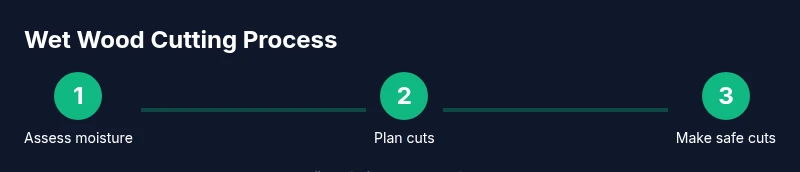
Before cutting, perform a quick risk assessment. Look for visible puddles on the ground, swollen trunk sections, or sagging limbs, which all indicate higher moisture content. Wet wood can hide internal cracks that compromise stability; if you see cracks, do not saw there. The Chainsaw Manual suggests checking the hinge area and ensuring there are multiple escape routes. Consider whether you can reach dry wood by trimming to exposed sections rather than forcing a cut through a saturated knot. If the tree is large or has a wide crown, be aware of sudden movement and be ready to drop a branch away from your position. Use a moisture meter if available, and plan your work in stages. Keep bystanders at a safe distance and maintain a stable stance; a wet surface on the ground increases slip risk, so wear non-slip footwear. A rough moisture judgment can save you from a dangerous misstep and minimize waste. If moisture seems high, do not cut and wait for drying; if you must act, limit the cut size and re-evaluate frequently.
Drying vs cutting: when to wait and how to plan
Sometimes the best option is to pause and wait for the wood to dry. Dry wood behaves more predictably, reduces pinching risk, and allows the saw to maintain steady RPM with less chain wear. If your schedule allows, place the tree in a sunny, breezy location or move to a well-ventilated area that speeds evaporation. A practical rule of thumb is to allow moisture to drop to a manageable level in the exposed face; you can test by shaving off a sliver with a non-cutting tool to feel if it's still sticky. Chainsaw Manual's guidance emphasizes patience for large wet trees; waiting can save time in the long run by eliminating frequent corrective actions. If you can't wait, cut small-diameter sections from the outside in to reduce risk, while continuing to monitor temperature and ground conditions. Avoid cutting if rain is actively soaking the area, as water increases slip risk and weakens footing. When forced to proceed, adjust your plan to slower, shallower cuts with frequent chain tension checks and periodic bar oil replenishment.
Safe cutting techniques if you must cut wet wood
If you must operate under wet conditions, rely on strict techniques to maximize control. Keep both feet planted shoulder-width apart and orient yourself so the escape path is clear. Start with a small test cut to gauge resistance, then back off and re-evaluate if the cut binds. Use a sharp chain with proper tension; a dull chain generates more heat and increases kickback risk. Do not cut with the bar edge pointed toward your body; stay to the side of the cut. Feed the saw slowly and steadily, letting the chain do the work rather than forcing it. Use wedges to prevent pinching and to guide the cut open as the wood splits. Monitor the RPM and avoid heavy passes that overheat the bar or chain. If any crack or instability appears, stop and reassess. After each cut, inspect the chain and bar for sap or debris and clean as needed. Prolonged wet cutting can accelerate wear, so plan for frequent maintenance checks and cooling stops.
PPE, maintenance, and aftercare
Wet operations demand enhanced PPE: a helmet with face shield, hearing protection, cut-resistant chaps, gloves, and sturdy, non-slip boots. Have a first aid kit accessible and know your escape plan. After cutting, wipe the chain and bar to remove moisture and sap, then dry and lubricate before storage to prevent rust. Check chain tension and sharpness often in wet sessions since moisture dulls faster. Store tools in a dry environment, away from rain. Inspect the fuel system for moisture; if water has entered the mixture, dispose of it safely. Finally, review your technique and identify improvements for the next wet-day job. The Chainsaw Manual team recommends a post-operation inspection focused on wear points like the drive sprocket and bar groove to catch moisture-related damage early.
When to call a professional and final safety note
For large trees or uncertain conditions, it is wise to call a professional logger or arborist. Wet trees present hazards such as hidden cracks, unstable limbs, and unpredictable weight shifts that can jeopardize bystanders. If the tree is near structures or power lines, resist the urge to cut and hire trained personnel. The Chainsaw Manual team emphasizes safety first and suggests monitoring weather and moisture levels, as rain can extend the window of safety hazards. For homeowners, this is the time to adjust your task list and consider equipment rental only after proper safety training. If you must cut a wet tree, do so only in controlled, small steps with ample space and a solid plan. In sum, can you chainsaw a wet tree? It is generally not recommended; if you must, proceed with extreme caution, thorough planning, and professional supervision when possible.
Tools & Materials
- Chainsaw (well-tuned with sharp chain)(Bar length appropriate for tree size; check chain tension before starting)
- Personal protective equipment (PPE)(Helmet with face shield, hearing protection, cut-resistant chaps, gloves, steel-toe boots)
- Wedges(Multiple sizes; used to prevent pinching and help hinge control)
- Rope or pull strap(For stabilizing branches or creating a safe escape path if needed)
- First aid kit(Keep near work area; treat minor injuries promptly)
- Bar and chain oil(Use fresh oil; moisture can wash away lubricant)
- Moisture meter (optional)(Helpful to estimate wood moisture without cutting)
Steps
Estimated time: 60-120 minutes
- 1
Assess moisture and hazards
Look over the site, check for standing water, cracks, and unstable limbs. Decide if the wood is dry enough to cut safely or if you should wait. This assessment guides every following action.
Tip: If you’re unsure, err on the side of caution and pause. - 2
Prepare the area and gear
Put on PPE, clear the escape path, and lay out wedges. Confirm tools are accessible and the ground is stable. A tidy work area reduces trips and mistakes.
Tip: Test footing on a dry patch before stepping into the cut zone. - 3
Test cut on dry face
Use a small test cut to gauge resistance. If the cut binds or the chain stalls, stop and reassess moisture and technique.
Tip: Do not push through a dense wet knot; re-route or wait. - 4
Create a controlled initial cut
Angle the bar to avoid the kickback zone and make a shallow, controlled entry. Use steady, slow feed and watch for bar binding.
Tip: Keep elbows slightly bent and body to the side. - 5
Use wedges and monitor heat
Insert wedges to prevent pinch and jump back; monitor chain RPM and bar temperature. Pause to cool if the bar becomes hot to the touch.
Tip: Take short breaks to reduce heat buildup in wet wood. - 6
Inspect and adjust after each cut
Check chain tension, sharpness, and lubrication after every few cuts. Clear sap and debris from the bar groove to maintain performance.
Tip: Lubricate the chain before continuing to prevent wear.
FAQ
Is it safe to cut wet wood with a chainsaw?
Cutting wet wood is riskier due to binding, kickback, and dulling of the chain. If possible, wait for the wood to dry or cut only on dry faces with extreme caution and proper technique.
Wet wood is risky to cut; wait for drying when possible and use proper technique.
What makes wet wood more dangerous to cut?
Water changes wood density and fiber behavior, increasing pinching and kickback potential. The chain also dulls faster when cutting through soaked fibers.
Wet wood changes density, increasing kickback and dulling the chain faster.
Can I cut wet wood if I have the right PPE?
PPE is essential, but it does not eliminate all hazards. Protective gear protects you from debris and minor impacts while other safety measures control the environment.
PPE helps, but it doesn't remove the hazards—control the environment first.
How long should I wait for a wet tree to dry?
There is no universal drying time; it depends on weather, tree size, and exposure. If possible, allow hours to days of natural drying and test by gently feeling the exposed face.
Drying time varies; you might wait hours or days depending on conditions.
When should I hire a professional for a wet-tree job?
If the tree is large, near structures or lines, or moisture levels are uncertain, a professional arborist is the safest option. They have training and equipment to manage wet conditions.
Call a pro for large or risky wet-tree jobs.
What techniques minimize kickback on wet wood?
Maintain a stable stance, avoid cutting with the bar directly toward you, use slow steady feed, and rely on wedges to prevent pinch. Stop if the cut binds.
Keep a stable stance, cut slowly, and use wedges to manage pinch.
Watch Video
The Essentials
- Assess moisture level before cutting.
- Wait for drier wood when possible.
- Wear full PPE and maintain a safe escape path.
- Proceed with controlled, shallow cuts and frequent checks.