Chainsaw Cutting a Tree: A Safe Step-by-Step Guide
Learn how to safely cut a tree with a chainsaw in a practical, safety-first guide. From planning and PPE to notch cuts and cleanup, Chainsaw Manual provides clear, actionable steps for homeowners and professionals.


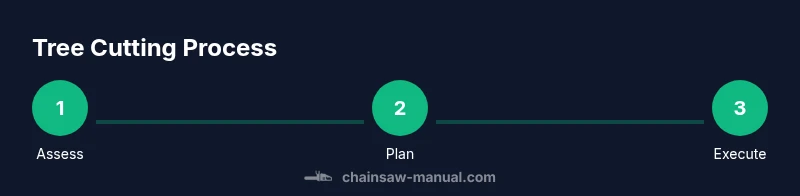
This guide shows you how to safely cut a tree with a chainsaw. You’ll learn to assess the tree, prepare the workspace, make notch and bore cuts, use wedges, and finish with cleanup. Always wear PPE and follow a safety-first plan to minimize kickback and injury. This approach reduces hazard and improves control.
Why safety-first matters in chainsaw cutting a tree
When you decide to cut a tree with a chainsaw, your first priority is safety. Chainsaw work generates high-risk scenarios including kickback, falling limbs, and unpredictable tree movement caused by wind or rot. A safety-first mindset helps you anticipate problems before they start and reduces the chance of serious injury. According to Chainsaw Manual, safety-first guidance is not optional—it's the foundation of every successful cut. The Chainsaw Manual team found that planning, PPE, and clear escape routes dramatically lower risk in most home and professional settings.
Before you even lift the saw, inspect the work area: remove obstacles, clear bystanders, and map a safe fall direction. A good plan accounts for where the tree could go if it moves suddenly, the presence of power lines or buildings, and the best path to retreat without turning your back on the tree. In addition, check the wind direction and forecast; gusts can change a tree’s behavior mid-cut. Finally, know your limits: if the tree is hollow, diseased, or leaning toward a dangerous area, step back and seek professional help.
Pre-work assessment and planning
Successful tree cutting begins with a thorough pre-work assessment. Identify the species, trunk diameter, taper, and any visible cracks, decay, or deadwood. These factors influence the cut sequence, the amount of weight released, and whether you need to prune first or perform a full felling cut. Establish two or three clear escape routes from the trunk, and ensure your path is free of roots, slippery ground, and loose debris. Set your primary and secondary angles so you can watch the tree as it starts to move. Communicate with others on-site and establish a clear signal system for stopping the work if something changes.
From a planning perspective, decide the direction of fall and how you will release energy gradually. If the tree is near structures or other trees, you may need to remove sections or use ropes to guide the limbs away. The Chainsaw Manual team emphasizes documenting the plan so every team member understands their role, reducing confusion during critical moments. Always have a means to call for help and a quick stop if wind shifts or the tree behaves unexpectedly.
Equipment, PPE, and workspace setup
Indoors or outdoors, proper gear matters as much as technique. Put on a full PPE ensemble: a helmet with a face shield, hearing protection, cut-resistant chainsaw chaps, gloves, and sturdy boots with good grip. Use a bar-and-chain combination appropriate for the tree diameter, and keep a sharp chain with correct tension. Check the chain brake and throttle lock before starting, and never operate the saw with the chain contact surface against the wood while starting. Keep your workspace clear of trip hazards and mark your escape path with bright tape or chalk. Have felling wedges, a hammer, rope or rigging line, and a means to secure the saw if you must reposition. Store fuel and oil separately and refuel away from any heat sources.
We also recommend a first-aid kit and a fire extinguisher within sight but away from the immediate cutting zone. Consider using a ground anchor or a rope to steady yourself if the tree is near soft ground or a slope. The goal is stable, predictable performance, not ad-hoc improvisation. Finally, practice safe startup and shutdown procedures so you stay in control at all times.
Cutting plan and execution overview
Now you’re ready to execute the plan. Start by creating a small notch on the side of the trunk facing the direction you want the tree to fall. The notch should be about one-third of the tree diameter and made with careful depth control. Then begin the back cut from the opposite side, slightly above the level of the notch. Use light taps with the saw to prevent binding and insert wedges as needed to guide the direction of fall. Throughout the process, watch for signs of binding, cracks widening, or sudden movement, and be prepared to retreat along your escape path if necessary. If you’re cutting large limbs, remove them in sections to avoid letting weight drop unexpectedly. Finally, after the tree falls, switch to limb removal and ensure all bystanders are clear of the area.
Troubleshooting and safety contingencies
Even with a solid plan, complications can arise. If the tree starts to split or lean unpredictably, pause, re-evaluate, and adjust the plan rather than forcing a cut. For kickback risk, maintain a low, controlled cutting angle and avoid cutting with the tip of the bar. If the stem binds, stop and back out slowly rather than yanking the saw. In wet conditions, postpone the cut or use extra supports and ropes. If a limb starts to move toward you, retreat along your escape path and call for assistance. Document any issues for future reference so you can improve your plan for the next job.
Aftercare, cleanup, and site safety
After the cut, turn off the saw, engage the chain brake, and inspect the chain for damage. Clear and secure all cut material, and set aside the logs for later processing. Remove all debris to prevent trips and ensure the area remains safe for others. Treat any minor injuries promptly and file away PPE for future use. Finally, assess the site for potential hazards, such as dead limbs that may fall in gusts, and monitor the area for signs of shifting soil or unstable roots. Authorities for this guidance include OSHA and university extension programs, which emphasize PPE and methodical planning in hazard-prone environments. Based on Chainsaw Manual research, a meticulous approach to prep and execution reduces the likelihood of serious injuries.
Tools & Materials
- Chainsaw(Sharpened chain; chain brake engaged; correct bar length for tree size)
- Personal protective equipment (PPE)(Helmet with face shield, hearing protection, cut-resistant chaps, gloves, sturdy boots)
- Felling wedges(Metal wedges and hammer; sized for trunk diameter)
- Rope and/or rigging line(For stabilizing the tree and creating a safe escape path)
- Chalk/marking paint(Optional for marking cut lines and escape routes)
- First-aid kit and fire extinguisher(Keep within sight but away from the cutting zone)
- Fuel and oil for the saw(Follow manufacturer ratios; refuel away from heat source)
Steps
Estimated time: 60-120 minutes
- 1
Inspect and plan the cut
Assess tree health, wind, nearby hazards, and decide the fall direction. Visualize the escape route and ensure bystanders are clear. This upfront planning reduces surprises during the cut.
Tip: Take 5 minutes to verify all escape routes before starting. - 2
Set up the workspace and safety measures
Clear the area, secure footing, and position yourself so you can see the trunk and fall path. Engage PPE and confirm chain brake is on before handling the saw.
Tip: Always maintain three points of contact when moving around the tree. - 3
Make the notch cut
On the side facing the fall direction, cut a notch about one-third of the trunk diameter. Stop short of breaking the hinge to control the fall.
Tip: Keep the saw at a comfortable height and avoid overreaching. - 4
Begin the back cut
On the opposite side, make the back cut slightly above the bottom of the notch to create a hinge. Do not cut all the way through yet.
Tip: Check for binding before proceeding; pause if the wood pins the bar. - 5
Insert wedges and guide the fall
Insert wedges as needed to steer the trunk. Watch for movement and be ready to retreat along your escape path.
Tip: Use wedges every 6-12 inches of cut on larger trunks. - 6
Dismantle large limbs safely
Cut limbs in sections from the base outward, working from the ground up to avoid weight shifts that can cause sudden falls.
Tip: Never cut under tensioned limbs without proper clearance. - 7
Finish the trunk cut and fall
Complete the back cut, allow the tree to fall, and move to a safe distance immediately. Clear the area of branches and debris.
Tip: Keep your body out of the fall line during the moment of release. - 8
Post-cut inspection and site cleanup
Turn off the saw, inspect the chain, and secure logs. Clear debris and reassess the area for hidden hazards.
Tip: Document any issues for future jobs and store PPE properly.
FAQ
What should I do before cutting a tree with a chainsaw?
Assess wind, inspect tree health, secure the work area, and plan your escape routes. Wear PPE and establish clear signals with helpers.
Before you cut, check the wind and tree health, secure the area, and put on your PPE.
How can I prevent kickback when cutting a tree?
Keep the saw at or below shoulder height, use a low-kickback chain, and avoid contact with the tip of the bar. Maintain a stable stance and watch your posture.
To prevent kickback, stay low and keep the tip away from the wood.
What is the notch and bore cut sequence?
Make a notch on the fall direction side, then perform the back cut from the opposite side to create a hinge. The hinge controls the fall.
Make the notch first, then back cut to form a hinge.
What if the tree starts to fall the wrong way?
Stop, retreat along your escape path, reassess wind and weight, and adjust your plan or call for help if needed.
If it starts to lean the wrong way, back away and reassess.
Is it safe to cut branches while the tree is standing?
Pruning branches from the ground or with a pole saw is safer than cutting from the trunk with the chainsaw. Avoid taking cuts from above or while in awkward positions.
It's safer to prune from the ground or with a pole saw, not from the trunk.
Watch Video
The Essentials
- Plan the cut before starting
- Wear full PPE and maintain control
- Watch for kickback and signs of binding
- Finish with clean-up and site safety