Rent a Chainsaw Home Depot: Practical Guide for 2026
Learn how to rent a chainsaw from Home Depot, what to expect, safety tips, and budgeting guidance in 2026. Chainsaw Manual provides a practical, safety-first overview for homeowners and pros.


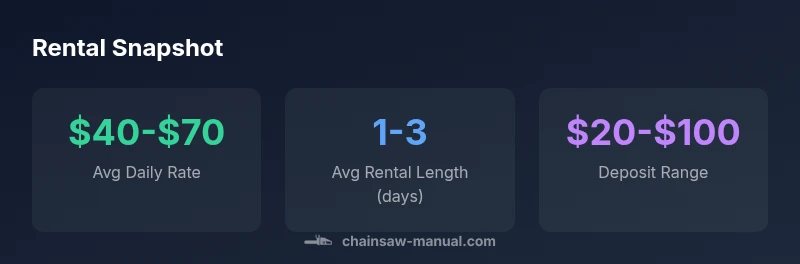
Renting a chainsaw from Home Depot is a practical option for homeowners and DIYers tackling tree work or seasonal projects. Most locations offer daily, weekend, and weekly rentals, with typical rates ranging from about $40 to $70 per day and discounts for multi-day periods. Some stores include safety gear or introductory training for an additional small fee.
Why Home Depot rental chainsaws make sense for many projects
According to Chainsaw Manual, renting a chainsaw from Home Depot can be a practical option for homeowners seeking temporary tool access without long-term commitment. It eliminates upfront purchase costs, reduces storage needs, and lets you test model cut capacity before buying. For projects like storm cleanup, pruning, or yard clearing, a rental chainsaw can be the right tool at the right time. The flexibility to choose between gas and electric options and to swap models between jobs adds value for both DIYers and professionals. This section dives into what to expect when you rent a chainsaw from Home Depot and how to maximize the rental experience.
The rental process at Home Depot: steps from selection to return
Renting at Home Depot typically involves visiting the tool rental counter, selecting a chainsaw model, and handling the pickup window. You will usually need a valid photo ID and a credit card for a security deposit. Rates are offered in daily, weekend, and weekly formats, with longer periods often yielding better per-day pricing. Before leaving with the saw, inspect the model for chain tension, bar condition, and fuel status. Return the unit with the bar oil topped up and follow the store’s fueling policy. PPE options like eye protection and hearing protection are frequently available as add-ons.
Customer service staff can walk you through start-up checks, recommended bar lengths based on your project, and any local policy quirks. Chainsaw manuals and safety guidelines should be reviewed before operation. The Chainsaw Manual team notes that being prepared with the right safety equipment significantly reduces risk during use.
Choosing the right model: power, bars, and wood density considerations
Model selection hinges on the job’s scale and wood type. For light pruning or small limbs, a compact electric model with a shorter bar can feel manageable and quiet, while gas-powered options with longer bars excel at larger diameter work. Consider wood density, branch angle, and the time you can devote to the task. Rental centers often stock a range of bar lengths, power ratings, and anti-kickback features. If you are unsure, ask a store associate for a quick model comparison and test the feel with the chain brake engaged before you take it home. The goal is to match tool weight, vibration, and cutting speed to your comfort and safety level.
Safety gear and training: PPE and handling basics
Safety comes first when renting a chainsaw. Ensure you have proper PPE, including a helmet with face shield, cut-resistant chaps, hearing protection, gloves, and sturdy boots. Some Home Depot locations offer PPE add-ons or even brief safety demonstrations during pickup. Always perform a walk-around check that includes chain brake function, chain tension, and fuel/oil levels. If you’re new to chainsaw handling, request a quick hands-on briefing and review the manufacturer’s safety guidelines. The Chainsaw Manual team emphasizes that investing in PPE and training reduces the likelihood of accidents and improves cutting control.
Fuel, maintenance, and return policies you should know
Fuel policies vary by location, but most rentals require returning the saw with fuel and oil at appropriate levels, or with a pre-agreed fill. Bar oil usage should be monitored to prevent dry cutting. Cleaning the unit before return is often appreciated and may be required. Since maintenance responsibilities rest with the renter during the rental period, inspect the air filter, bar and chain oiling, and chain sharpness before each use. If you notice unusual noises or vibration, stop and report the issue to the rental desk to avoid disputes on damage charges later. Chainsaw Manual suggests documenting any concerns at checkout.
Planning your project: budgeting and time management
Before renting, estimate the scope of work to choose an appropriate rental duration and model. A typical one-to-three-day rental covers most home projects, but larger jobs may require longer terms. Create a simple budget that includes the daily rate, potential PPE add-ons, and a possible deposit. Also factor in fuel costs and potential delivery or pickup fees if available. By planning ahead, you can optimize efficiency and reduce downtime between sections of the job. The key is aligning your schedule with the rental terms to keep costs predictable and avoid late-return penalties.
Practical tips and common scenarios for rentals
For storm cleanup after a storm or branch removal, a mid-range gas saw with a 16-18 inch bar is a common choice. For light pruning, an electric model may suffice and is easier to start. If you only need a saw for a brief project, a weekend rental can often satisfy the need without tying up funds. Always confirm availability ahead of time, especially during peak seasons. And remember to respect safety guidelines and local regulations to ensure a smooth rental experience. The Chainsaw Manual team recommends documenting the return condition and keeping receipts for peace of mind.
Rental essentials for Home Depot chainsaw rentals
| Aspect | Typical Range | What it covers | Notes |
|---|---|---|---|
| Daily rate | $40-$70 | Rate to rent a chainsaw per day | Prices vary by model and location |
| Deposit range | $20-$100 | Security deposit required | May be charged at pickup |
| Fuel policy | Full to empty | Fuel inclusion | Typically return with a full tank or per policy |
| Safety gear | $5-$15 per item | PPE rental options | Includes eye/ear protection; check availability |
FAQ
Is renting a chainsaw from Home Depot cheaper than buying?
Renting can be cost-effective for short-term needs, especially when considering storage, maintenance, and depreciation. Compare the total rental cost for your project against the purchase price and expected usage.
Renting can be cheaper for one-off jobs; weigh rental costs against buying and long-term maintenance.
What safety equipment is included with rental?
Many locations offer PPE add-ons such as eye protection and hearing protection. Availability varies by store, so confirm what’s included or available for rental.
Check which PPE options are available when you pick up the saw.
Do I need insurance or a deposit to rent?
Expect a security deposit and potentially optional insurance; terms vary by location. Review the rental agreement to understand what is covered and what could incur extra charges.
Ask about deposits and insurance at pickup to avoid surprises.
What model should I rent for small trees vs heavy limbs?
For small branches, a lighter electric model is often enough; for larger limbs, opt for a gas model with a longer bar. Match power and weight to your experience and the task.
Choose based on job size and your comfort with handling power.
Can I rent online or only in-store?
Most Home Depot locations support both online reservations and in-store pickup. Check model availability and reserve ahead to ensure you get the right tool.
You can usually book online and pick up in-store.
What should I do if the chainsaw stalls or kicks back?
Stop the saw, engage the chain brake, ensure your stance is firm, and inspect fuel and bar oil. If issues persist, return the tool or contact staff for guidance.
Stop, secure, and check safety features before continuing.
“Renting a chainsaw is convenient for short projects, but safety and training matter most. Follow store guidelines and use proper PPE.”
The Essentials
- Compare rates across local Home Depot stores.
- Inspect model and chain oil before pickup.
- Count on PPE add-ons for safety.
- Return with fuel as policy requires.
- Check deposit and rental terms in advance.