How Much Does It Cost to Rent a Chainsaw? A Practical Guide
Explore typical rental costs for chainsaws, what drives pricing, hidden fees, and tips to save. Chainsaw Manual explains daily, weekly, and multi-day rates, plus how to compare shops for the best value.


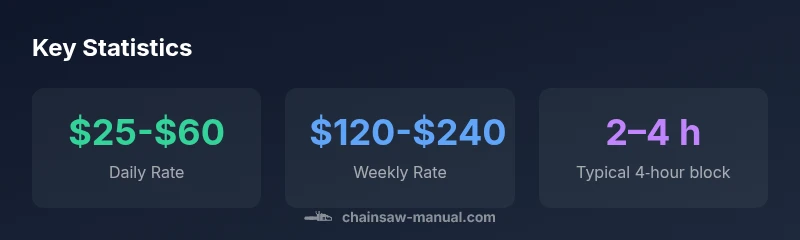
According to Chainsaw Manual analysis, renting a chainsaw typically costs between $25 and $60 per day, with weekend and larger models edging higher. Depending on location, duration, and model, weekly rates can drop to roughly $120–$240. This quick snapshot helps homeowners and pros budget for DIY projects, tree removal, and contractor work.
How much does it cost to rent a chainsaw? Pricing essentials
Pricing for chainsaw rentals varies by model, duration, and location. As a practical rule for homeowners and professionals, daily rates typically range from roughly $25 to $60 for standard gas-powered models. Weekend or multi-day rates can be higher per day in some shops, but many stores offer discounts for longer commitments. Location matters: urban areas often have higher base rates, while rural shops may run promotions to draw customers. Taxes, deposits, and potential fuel surcharges can influence the total price. The Chainsaw Manual analysis, 2026 indicates you may save by comparing quotes across several local rental yards and by choosing the right duration. For practical budgeting, plan around $40 for a half-day and $80–$120 for a full day for common yard jobs, then adjust for local taxes and additional fees. Remember: always ask what’s included in the listed rate, such as fuel, extra blades, or safety gear.
What drives the price
Several factors shape the final rental price. Engine size and power class differentiate daily rates: homeowner or light-duty models are generally cheaper than pro-grade units with longer bars. Bar length affects cost because longer bars demand more robust maintenance and tougher handling, which some shops price accordingly. Fuel type (gas vs electric) can also shift pricing, with electric models sometimes cheaper to rent but less suitable for heavy cutting. Location, demand, and season influence rates; peak seasons may push prices higher. Additional fees—like insurance, delivery, or a security deposit—can add 5–20% to the base rate. When budgeting, ensure you’re comparing apples to apples: same duration, same model class, and the same inclusions. A careful quote helps avoid surprises at pickup.
Price ranges by rental duration
Understanding duration helps answer the question of how much does it cost to rent a chainsaw. Typical ranges by duration include:
- Half-day (about 4 hours): roughly $20–$40
- Full day (24 hours): roughly $40–$80
- Weekend package (2 days): roughly $60–$120
- Weekly: roughly $120–$240
Prices can vary by shop and region, and some stores offer additional discounts for longer commitments. If you’re budgeting for a larger job like storm cleanup or tree removal, a weekly rental can provide the best value. Always confirm what’s included (fuel, safety gear, sharpening) and whether you’ll pay any taxes or deposits on top of the base rate. When you search for chainsaw rentals, consider both the duration and the required model features to avoid overpaying for capabilities you don’t need.
Hidden costs to watch out for
Beyond the base rental rate, several additional charges can impact your total. Common hidden costs include deposits (refundable if the machine returns in good condition), delivery and pickup fees, fuel surcharges, and cleaning or sharpening fees. Some shops require a daily insurance add-on, which can range modestly depending on coverage level. Taxes vary by jurisdiction and may be applied to the rental price. If you need extras like a bar oil, chains, or a blade sharpener, confirm whether they’re included or billed separately. Request a written quote that itemizes each cost, so you can compare offers accurately across providers.
How to compare rental shops
To answer the question of how much does it cost to rent a chainsaw, you must compare more than the sticker price. Start with a clear job scope (project type, duration, required power, and bar length). Call or email several shops for written quotes that specify: model class, duration, inclusions (fuel, PPE, sharpening), insurance coverage, and any delivery charges. Check shop policies on deposits and cancellation. Ask about maintenance standards and what happens if the saw breaks while you’re using it. Read customer reviews about reliability and service. Finally, verify warranty or return conditions to protect yourself against hidden costs and ensure you’re renting a well-maintained machine.
Money-saving tips and best practices
Effective budgeting for chainsaw rental begins with planning. Seek multi-day or weekend rates, as they often reduce the per-day cost. If you’re a repeat customer, ask about loyalty programs or rental bundles that include PPE. Bring your own protective gear if the shop allows it, as some shops charge for PPE as an add-on. Consider electric or battery-assisted models for lighter tasks, as these often cost less and require less maintenance. If you only need a saw for a few hours, check whether a 4-hour block is offered at a lower rate than a full-day rental. Finally, inspect the model before leaving the lot: a well-maintained chain and properly tensioned chain save time and money later on.
Insurance, safety, and warranties
Safety first: ensure you have proper PPE and know the safe operation basics before renting. Some shops include basic liability coverage; others require you to add insurance for the rental period. Review rental terms to understand what happens if the saw is damaged, stolen, or misused. A simple safety briefing and clear handling guidelines can save you from costly penalties. Ask about a damage waiver and inspect the chain, bar, and chain brake to ensure the unit is in good condition. Warranties typically cover manufacturer defects but do not excuse operator error. When you rent, you’re paying for both the tool and the right to use it under safe, controlled conditions.
Practical budgeting scenario
To put numbers into context, consider two scenarios: a homeowner doing light yard work and a professional contractor handling storm cleanup. For the homeowner, a 1‑day rental with a mid-range model might cost around $50–$90, plus a small insurance add-on if required. For a contractor needing several days of continuous use, a weekly rate of around $150–$250 may apply, with potential delivery charges. In both cases, ensure you know what’s included: fuel, spare chain, and safety gear. By comparing quotes for the same model and duration, you’ll identify the best value and avoid paying for features you don’t need.
Rental cost benchmarks by duration
| Duration | Estimated Cost Range (USD) | Notes |
|---|---|---|
| Half-day (4 hours) | 20-40 | Typical for quick trims |
| Full day (24 hours) | 40-80 | Standard day rental |
| Weekend package (2 days) | 60-120 | Discounted multi-day rate |
| Weekly | 120-240 | Best value for longer projects |
FAQ
What is the typical daily rental price for a consumer-grade chainsaw?
Daily rates for standard consumer chainsaws usually fall in the $25–$60 range, depending on model and location. Expect higher prices for pro-grade tools or longer bars. Always confirm what’s included in the rate.
Most shops charge around $25 to $60 per day for a standard chainsaw. For larger or pro-grade models, prices go up. Always check what’s included before you rent.
Do rental prices vary by model or size?
Yes. Larger engines, longer bars, and pro-grade models generally cost more per day. Electric or battery-powered saws can be cheaper to rent but may not suit heavy cutting tasks. Always compare like-for-like models to get an accurate price.
Yes. Bigger, more powerful models cost more, and you should compare similar models to price-check accurately.
Are insurance or liability fees common with rental chainsaws?
Many shops offer optional liability or damage waivers. Some include basic coverage in the base rate, while others add a separate daily insurance fee. Read the terms carefully to understand what’s covered and the deductibles.
Insurance is often available as a daily add-on or included in the rate—check your terms before you rent.
Can I rent a chainsaw for only a few hours?
Yes. Many shops offer 4-hour or half-day blocks, which can be cheaper than a full day for quick tasks. Confirm the exact window and any minimum charges.
Yes—look for 4-hour or half-day options and compare with full-day prices.
What should I check before renting a chainsaw?
Inspect the saw’s chain tension, brake operation, and bar condition. Verify safety gear is available, confirm fuel status, and request a testing run if possible. Ask about maintenance records and return conditions.
Check the chain, brake, and bar. Make sure safety gear is included and that the saw runs smoothly before you leave.
“Renting a chainsaw is cost-effective when you pick the right model and plan ahead. Always compare quotes, confirm inclusions, and inspect safety gear before you check out.”
The Essentials
- Actively compare multiple shops to secure the best rate
- Ask what’s included in the base price (fuel, PPE, sharpening)
- Plan for multi-day rentals to maximize savings
- Watch for deposits, delivery fees, and insurance costs
- Inspect the saw before leaving the shop to avoid penalties