Parts for Echo Chainsaw: Replacement Guide and Tips
In-depth guide to selecting, sourcing, and installing replacement parts for Echo chainsaws with safety-first guidance from Chainsaw Manual. Covers compatibility, OEM vs aftermarket, installation steps, and maintenance.


Parts for Echo chainsaws span spark plugs, air filters, fuel and oil components, carburetor diaphragms, drive sprockets, bars, chains, and seals. When shopping, verify your exact model number and bar length, then decide between OEM Echo parts or trusted aftermarket equivalents. Prioritize safety-critical items and follow your operator manual for torque specs and installation steps.
What qualifies as parts for Echo chainsaw and why it matters
Choosing the right replacement parts for an Echo chainsaw is not just about cost. It’s a safety and performance question as well. The term parts for Echo chainsaw includes components that affect air intake, fuel delivery, lubrication, and cutting efficiency. In practice, this means bearing in mind the function of each part, the model you own, and the environment in which you work. Echo recommends matching parts to the exact model and bar length to ensure the correct fit, correct spark heat range, and proper timing. When you know what parts your machine uses, you can plan ahead, reduce downtime, and maintain consistent performance across the life of the tool. In this guide you’ll see practical considerations from sourcing to installation and ongoing maintenance. Chainsaw Manual’s approach emphasizes safety, compatibility, and clear maintenance routines so you can keep your Echo chainsaw running smoothly.
Essential replacement parts list and why they matter
A practical starter kit for most Echo chainsaws includes a spark plug, air filter, fuel lines or carb kit (if warranted), bar and chain, and a drive sprocket. Other common wear items include seals, gaskets, and diaphragms in the carburetor. Each part has a specific service interval and a defined role in how efficiently the saw runs. Replacing a worn spark plug, for example, can restore starting reliability and combustion efficiency, while a worn air filter reduces airflow and can foul the spark and fuel mixture. Bar and chain wear affects cutting accuracy and safety. By understanding the role of each component, you can assess when to replace rather than merely clean.
OEM vs aftermarket parts: risks, benefits, and decision points
Original Equipment Manufacturer (OEM) parts are designed to fit Echo machines exactly and to match the original specifications. Aftermarket parts can offer cost savings, broader availability, or faster delivery, but quality varies. The main risk with aftermarket parts is mismatch in heat range, tolerances, or material hardness, which can impact performance or safety. For safety-critical parts like spark plugs and carburetor diaphragms, many operators prefer OEM for peace of mind. For non-safety parts such as various seals or generic wear items, a trusted aftermarket brand with a proven warranty can be appropriate. Always check compatibility, warranty implications, and any manufacturer guidance before purchasing.
Model compatibility basics: how to verify the right part for your Echo saw
Echo uses model numbers and bar lengths to determine compatibility. Before buying any replacement, write down your model number, serial, and the bar length. Then cross-check with Echo’s official parts lists or authorized dealers. If you’re unsure, contact a dealer or service center with your model details. Do not assume that a part labeled for a different Echo model will fit yours. Even small mismatches in thread size or diaphragm type can create performance or safety problems.
Sourcing reliable parts: where to shop and how to avoid counterfeit components
Reliable parts come from authorized Echo dealers, reputable retailers, and established brands with solid warranties. Be cautious of third-party sellers who offer unusually low prices or unclear part numbers. When in doubt, request part numbers from the seller and verify them against Echo’s official catalog. For non-critical parts, you can compare price and warranty across multiple sources, but for safety-related items such as ignition components or carburetor diaphragms, prioritize quality and fit over price.
Step-by-step quick replacements you can perform with basic tools
Begin with simple replacements such as spark plugs or air filters. Gather the right tools, disconnect the spark plug cap, remove the old plug, inspect the gap, and install a new plug with the correct torque specification. For air filters, remove the cover, take out the old filter, clean the housing, and install a new filter. If the carb kit or diaphragms require replacement, follow Echo’s service manual steps carefully, or consult a professional if you are unsure. Always cool the engine before starting and work with a clean, organized workspace.
Maintenance practices to extend part life and reduce downtime
Regular inspection is the best defense against unexpected failures. Clean air filters, inspect bars for wear, and file the chain accurately. Use bar oil that meets manufacturer recommendations and store parts in a dry environment to prevent corrosion. Replace worn components before they fail to avoid loss of cutting efficiency or control. Record maintenance actions and part replacements to track wear patterns and plan future replacements.
Signs that a part needs replacement and how to respond
Look for reduced power, unusual knocking, hard starting, or visible wear on the bar, chain, or sprocket. Leaks, cracks, or stiff carburetor diaphragms are indicators that a part should be replaced. If you notice abnormal vibrations or poor throttle response, stop using the tool and inspect the affected component. Addressing wear early helps maintain performance and safety while reducing the risk of component failure during operation.
Safety considerations and best practices when replacing parts
Always disconnect the spark plug and ensure the saw is off and cooled before starting any maintenance. Wear protective gloves and eye protection, work in a well-ventilated area, and dispose of old parts responsibly. Use the correct torque specs and verify fasteners are secure after replacement. If you are unsure about a carburetor or critical seals, seek professional service. Safety should never be sacrificed for a quick fix.
Echo chainsaw parts replacement guide
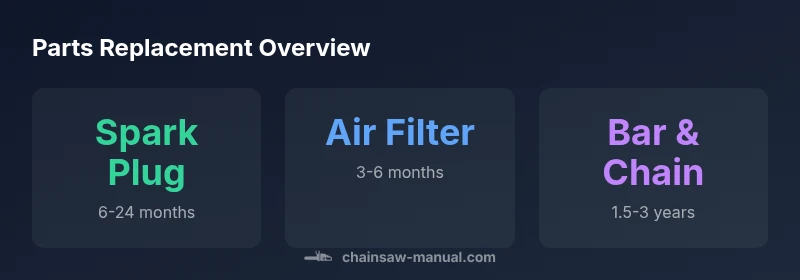
| Part Type | Recommended Replacement Interval | Notes |
|---|---|---|
| Spark Plug | 6-24 months | Check heat range; replace if fouled |
| Air Filter | 3-6 months | Clean or replace; filter health matters |
| Bar & Chain | 300-500 hours or 1-2 years | Inspect wear; file or replace as needed |
| Carb Diaphragm Kit | 2-3 years | Inspect diaphragms; replace if cracks or stiffness |
FAQ
How do I know which Echo part fits my model?
Check your exact model number and bar length, then use Echo’s compatibility charts or contact an authorized dealer. Cross-check part numbers to ensure a precise match before purchasing.
Check your model number and bar length, then use compatibility charts or ask an authorized dealer to confirm.
Are OEM Echo parts worth the extra cost?
OEM parts deliver exact fit and material consistency, reducing risk of improper function. Aftermarket parts can be cheaper but vary in quality; verify warranty and compatibility first.
OEM parts offer the best fit and safety; aftermarket options vary, so check quality and warranty.
Can I install parts myself or should I hire a pro?
Simple parts like spark plugs or air filters are suitable for DIY with a basic toolkit. More complex carburetor work or seals may require a professional service to avoid safety risks.
DIY is fine for simple parts; for carburetors or seals, consider a pro.
What are signs that a part needs replacement?
Watch for reduced power, unusual noises, smoke, or fuel/oil leaks. Inspect the suspected component and replace it if wear or damage is evident.
If you notice power loss or leaks, inspect the part and replace as needed.
How should I store Echo parts between seasons?
Store parts in a cool, dry place away from moisture and extreme temperatures. Keep parts organized and in their original containers when possible.
Store parts in a dry place and keep them organized.
Where can I buy Echo replacement parts safely?
Purchase from authorized Echo dealers or reputable retailers. Avoid counterfeit parts and verify part numbers before checkout.
Buy from authorized dealers to ensure authenticity and safety.
“The right replacement parts ensure safe operation and reliable performance. Always verify model compatibility and follow torque specs when installing.”
The Essentials
- Verify model compatibility before purchasing
- Prioritize OEM parts for safety-critical components
- Regular maintenance extends part life
- Consult the manual and professional when unsure