How to Get Echo Chainsaw Started: Safe Step-by-Step
Learn how to start your Echo chainsaw safely with our step-by-step guide from Chainsaw Manual. Covers fuel mix, choke, primer, and common starter issues for homeowners and pros.


Goal: safely start an Echo chainsaw by confirming fresh fuel and proper storage, cleaning the air intake, and using the correct choke and priming sequence. Follow a safe, methodical checklist and perform a controlled pull test to verify ignition. This quick-start approach emphasizes safe fuel handling and recognizing common starting issues.
Prep and Safety Before Starting an Echo Chainsaw
Before you pull the starter rope, take a moment to prepare the tool and the workspace. The Echo chainsaw is a power tool that requires respect for kickback, fuel safety, and proper maintenance. According to Chainsaw Manual, your first steps are a quick PPE check, a clean work area, and a look over the bar and chain for damage. Put on eye protection, hearing protection, and gloves. Clear the area of bystanders, pets, and loose debris, and make sure the ground is stable. If you’re working on a slope or wet surface, reposition for stability or postpone the task.
Next, inspect the saw itself. Ensure the chain brake is engaged when you’re moving the saw, and check that the bar covers are secure. Verify that the fuel cap is tight and that there are no fuel leaks or spilled oil around the engine. Check the air filter for clogs and remove any leaves or dirt. A clean air intake helps combustion and reduces the risk of a misfire. If you find oil leaks or obvious damage, do not start the saw; address the issue or consult a technician.
Handling fuel safely matters. Work in a well-ventilated area, away from open flames or sparks. Use the correct fuel mix and fresh gasoline as recommended by the Echo manual for your model, and store fuel in approved containers. If you’re unsure about the fuel mix or storage temperature, postpone starting until you verify the details. In this block, you’ll learn the practical steps to start safely and reduce common mistakes.
Understanding the Echo Chainsaw Starting System
Starting an Echo chainsaw involves understanding several interrelated components: the carburetor, primer bulb, choke, throttle lock, and ignition system. Knowing how these parts interact helps you diagnose why the saw may not start or run poorly. The starter mechanism relies on a clean air/fuel mix and a controlled air intake; a blocked filter or stale fuel disrupts ignition. Echo models typically use a two-stroke engine, so the correct sequence of priming, choking, and initiating a pull is critical for a reliable start. If you’ve done basic checks and still don’t get ignition, review the choke position, primer action, and kill switch state. A calm, methodical inspection reduces the risk of flooding or kickback.
Remember that starting procedures can vary slightly by model. Always consult your Echo’s user manual for model-specific steps, but the general principles—safety-first, clean fuel, and correct choke/primer use—apply broadly. For pros, the method also includes checking fuel quality, ensuring proper oil mix, and maintaining a steady pace on the starter rope to avoid sudden loads on the engine. This section lays the groundwork for a reliable start and helps you troubleshoot confidently.
Checking the Basics: Fuel, Spark, and Compression
If the saw still won’t start after safety checks, it’s time to verify the three core conditions: fuel, spark, and compression. Fresh, properly mixed fuel is essential; stale fuel weakens ignition because it doesn’t burn consistently. Inspect the spark plug for fouling, wear, or gaps in the electrode; a dirty plug can prevent a reliable spark. If you have a spare spark plug, compare the color and gap visually and replace if needed. Don’t forget the air filter—dust and debris reduce air flow and lean the fuel mixture, making starting harder. A clogged filter can mimic fuel problems because the engine cannot draw in enough air for combustion.
A quick compression check (if you have the tools) can reveal ring wear or cylinder issues that prevent proper ignition. If compression is low, do not force starts; pursue professional service. By validating fuel, spark, and compression, you’ll narrow down the root cause and avoid repeated, frustrating pulls. Always re-check the basics after any fix to confirm improved starting performance.
Step-by-Step: Getting the Engine to Fire Up
Starting a cold Echo chainsaw often follows a disciplined sequence: ensure the chain brake is engaged, prime if your model includes a primer bulb, and set the choke according to whether the engine is cold or warm. With the choke engaged, perform a few steady pulls to draw fuel into the carburetor. If your model features a fast idle setting, allow a brief warm-up before switching to normal idle. Once you sense a cough, move the choke to the half position, then to run as the engine clears and settles into a steady idle. If the saw doesn’t respond, re-check the fuel and air paths and consider a quick spark/plugs inspection.
Practice discipline during starting. Avoid excessive pulls that flood the carburetor, as repeated fast pulls with a flooded mixture will make starting harder. If the engine stumbles and dies, wait a moment, then try again with the choke at a lower setting. With patience and the correct sequence, you’ll minimize wear on the starter and the engine. This block focuses on the practical steps you’ll take to bring the engine to life and keep it there safely.
Common Starter Problems and How to Fix Them
Starter problems are usually fuel- or ignition-related. A stubborn no-start can come from stale fuel that has degraded in the tank or lines, causing poor combustion. Another frequent culprit is a dirty air filter that restricts airflow, making starting difficult. A fouled spark plug can also prevent spark transmission, especially after long storage. If the saw starts briefly and then dies, it’s often due to fuel flooding or an improper choke setting. If you suspect flooding, remove the spark plug cap, clear excess fuel, and dry the plug before re-checking ignition. Regular maintenance—clean air filters, fresh fuel, and correct spark plug gaps—will prevent most starting issues.
Beyond fuel and spark, check the recoil starter itself for wear or a loose housing. A weak rope can slip inside the drum, reducing the force delivered to the crank. When in doubt, consult the manual for model-specific troubleshooting steps and avoid aggressive force that could injure you or the saw.
Cold Weather and Long-Term Storage Starters
Cold weather can thicken fuel and slow chemical reactions, so you may need to extend warm-up times slightly. If you store your Echo chainsaw seasonally, drain or stabilize fuel before storage and condition the fuel for the next season according to the manual. Keep the spark plug dry and free of moisture, and store the saw in a location where temperature fluctuations are minimal. When starting after storage, perform a thorough check of the fuel system, air intake, and spark path before attempting a start. In snowy or icy climates, shaving ice from the carb throat and air filter can prevent immediate starting failures.
Advanced Techniques: Choke, Primer, and Prime Starting
Some Echo models use a primer bulb for rapid fuel priming. With a cold engine, press the primer several times until you feel resistance and fuel toward the carburetor. Then engage the choke fully and pull the starter rope smoothly. As the engine warms, move the choke toward the run position in small increments, allowing the engine to acclimate to ambient conditions. If the engine continues to stumble, use the half-choke technique for another few pulls and re-check fuel and air paths. Avoid partial or improper choking that can flood the carburetor. Mastery comes from practice and following the model’s starting curve.
Remember to keep hands clear of the chain and never attempt a start with the chain brake disengaged. If you hear a knock or ping, stop and inspect for fuel quality and exhaust restrictions. This section covers how to apply starting logic to real-world scenarios and helps you achieve consistent starts.
Safety Reminders and Maintenance After Start-Up
Once the saw starts, allow a brief warm-up period before engaging in cutting. Keep the saw steady and controlled, and monitor for unusual sounds, vibrations, or smoke. After use, clean the air filter and wipe down the exterior to remove oil and debris. Store the saw with a dry spark plug and a filled bar oil reservoir to prevent corrosion and ensure lubrication on the next start. Regular maintenance—fuel quality, proper storage, and periodic spark plug checks—extends the life of your Echo chainsaw and reduces the odds of a difficult start next time.
Tools & Materials
- Echo owner’s manual (model-specific)(Always follow model-specific safety and starting procedures.)
- Personal protective equipment (PPE)(Eye protection, hearing protection, and work gloves at minimum.)
- Fresh, non-ethanol gasoline(Use the Echo-recommended fuel type and maintain proper storage.)
- Two-stroke engine oil(Use the oil specified by Echo and mix at the manufacturer’s ratio for your model.)
- Fuel container with proper cap(Approved container; label and store away from ignition sources.)
- Spark plug wrench(Inspect spark plug condition and gap; replace if fouled or damaged.)
- Air filter cleaner or replacement(Ensure unrestricted air flow for stable starting.)
- Rope or starter cord (if needed)(Use only on models that require a manual pull start replacement.)
Steps
Estimated time: 12-20 minutes
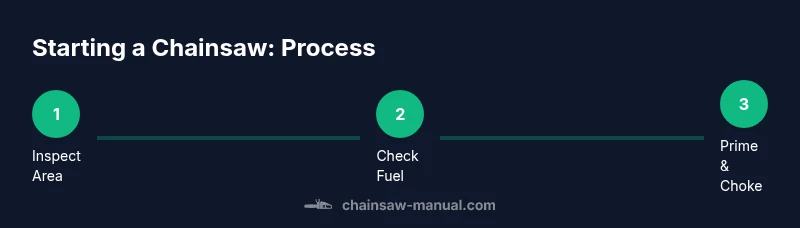
- 1
Inspect area and secure stance
Put on PPE, verify the chain brake is engaged, and ensure the work area is clear and flat. Stand with feet shoulder-width apart and position the saw so the bar tip points away from your body. This reduces the risk of kickback and injury during starting.
Tip: A stable stance reduces fatigue and improves control during the pull. - 2
Check fuel and cap
Open the fuel cap, smell and visually inspect the fuel for freshness. Ensure there are no leaks and that the cap threads are clean. Reinstall cap securely before attempting to start.
Tip: Fresh fuel dramatically improves starting reliability. - 3
Prime and set choke
If your model has a primer bulb, press it until fuel is drawn into the carburetor. For cold starts, set the choke to full; for a slightly warmer engine, half-choke may be appropriate.
Tip: Avoid over-priming; flooding the carburetor will hinder starts. - 4
Pull with steady rhythm
With the choke set, pull the starter rope smoothly in a controlled motion. Use both hands if the model allows; keep elbows tucked and wrists relaxed to maximize efficiency.
Tip: A steady rhythm improves fuel delivery and reduces engine stress. - 5
Transition choke as engine responds
As the engine coughs or starts to run, move the choke from full to half, then to run, while gently increasing throttle if required. Do not rush the transition; abrupt changes can stall the engine.
Tip: Patience during transition helps avoid multiple restarts. - 6
Address stalling or flooding
If the saw stalls, wait a few seconds, then re-check for fuel and air path issues. If flooding is suspected, remove the plug cap and let excess fuel evaporate before re-trying with a dry plug.
Tip: Handling a flooded carb quickly prevents engine damage. - 7
Warm-up test run
Once the engine runs, let it idle a moment to warm up. Test idle stability and ensure the chain brake disengages smoothly when you’re ready to cut.
Tip: Always keep the bar clear of the ground during warm-up. - 8
Secure shutdown and inspection
After use, shut the engine off with the stop switch, allow it to cool, and perform a quick post-use check of the air filter, fuel lines, and spark plug.
Tip: Regular post-use checks prevent start-up issues.
FAQ
What should I do if the chainsaw won’t start after following the starting steps?
Recheck the basics: fuel freshness, air filter cleanliness, and spark plug condition. If the engine still won’t start, consult the manual for model-specific troubleshooting or seek service. Avoid forcing starts that could damage the carburetor.
If it still won’t start, recheck fuel, air, and spark. If unresolved, consult your manual or a technician.
Is it okay to start with the engine warm or cold?
Cold starts typically require the choke fully engaged and priming if available. Once the engine shows signs of life, transition to run. For a warm engine, use less choke and proceed with a normal start.
Cold starts use full choke; warm starts use partial choke or run as per manual.
What indicates a flooded carburetor and how do I fix it?
A flooded carburetor often smells of fuel and won’t start after multiple pulls. Remove the spark plug and wipe away excess fuel, then allow it to dry before reassembling and trying again with the choke in the run position.
If you smell fuel and get no start after several pulls, you may have flooded the carburetor; wipe the plug and try again with proper choke.
Can a dirty air filter prevent starting?
Yes. A clogged air filter restricts air flow, causing a weak mixture. Remove and clean or replace the filter, then attempt to start again with the correct choke setting.
A dirty air filter can stop the engine from starting; clean or replace it before retrying.
Should I check the spark plug if the saw starts then dies?
Yes. A spark plug in poor condition can cause intermittent running. Inspect for fouling, replace if necessary, and verify the gap according to the manual.
If it starts and dies, inspect the spark plug for fouling or damage and replace if needed.
Is starting safer with the chain brake engaged?
Yes. Keeping the chain brake engaged during initial start prevents the chain from rotating if the engine coughs or backfires.
Yes—keep the chain brake on until you’re ready to begin cutting.
Watch Video
The Essentials
- Verify safety gear and stable footing before starting.
- Check fuel freshness and air path to ensure reliable ignition.
- Use the correct choke/primer sequence for your model.
- Address common starting issues like flooding or dirty filters promptly.
- Perform a short warm-up and post-start check for safe operation.