Chainsaw Chain Buying Guide for Tractor Supply Shoppers
Learn how to choose, inspect, and buy chainsaw chains at Tractor Supply with practical, safety-first guidance from Chainsaw Manual to protect you and your saw.


Choosing the right chainsaw chain from Tractor Supply starts with matching pitch, gauge, and drive links to your bar. Check compatibility with your saw model, ensure the connection method matches your chain type, and prioritize anti-kickback features. Always inspect for sharpness and tensioning requirements before installation. According to Chainsaw Manual, selecting the right chain reduces binding and improves control. This keeps the cut smooth and minimizes kickback risk.
Understanding the role of a chainsaw chain in consumer retail (Tractor Supply)
When you browse Tractor Supply’s hardware aisles or online catalog, chainsaw chains are more than spare parts; they define how safely and efficiently your saw cuts. In practice, the chain transfers the engine’s power to the wood through sharp teeth that slice material with each rotation. The saw’s bar length, drive mechanism, and chain pitch determine which chain fits best. The Chainsaw Manual team has analyzed typical store offerings and finds that most options align with standard pitches and drive links, but the real differences appear in coatings, anti-kickback design, and compatibility notes. For DIY homeowners and professionals, understanding these distinctions helps you avoid buying the wrong chain and having to return it. We’ll cover how to measure your bar, read chain markings, and confirm compatibility before purchase for safer, smoother cuts.
How to assess chain compatibility
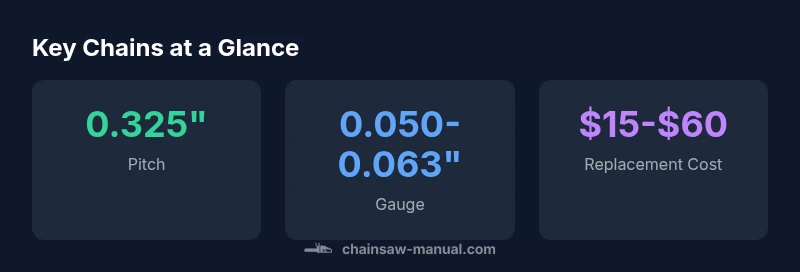
Compatibility hinges on three core measurements: pitch, gauge, and drive link count. Pitch is the distance between rivets and determines engagement with the drive sprocket. Gauge is how thick the drive links are and affects bar fit and chain stability. Drive link count relates to chain length and bar coverage. Before you buy, pull up your saw’s model number and check the bar length, then compare to the chain’s markings. In practice, most consumer saws use common pitches such as 0.325 in or 3/8 in, with gauge options around 0.050 in to 0.063 in. Always verify the chain’s match to your bar and sprocket, and confirm that the chain type matches your model’s sequence requirements. This careful check minimizes downtime and maximizes cutting performance.
Materials and coatings to consider
Chains come in several base materials and protective coatings. High-carbon steel offers durability and good edge retention, while alloy steel can improve resistance to wear in demanding environments. Some chains feature coatings or surface treatments designed to reduce corrosion, especially if the saw will be stored outdoors or used in humid conditions. Carbide-tipped chains exist for specialized cutting but are typically pricier and used for heavy-duty tasks. For most homeowners and professionals, a well-made high-carbon or alloy chain with corrosion resistance will balance performance and cost. Consider anti-kickback designs and chamfered tooth shapes that improve control and reduce operator fatigue during long sessions.
Safety-first considerations when replacing a chain
Safety comes first when handling a new chain. Always disconnect the spark plug, remove the battery on electric models, and wear cut-resistant gloves and eye protection during inspection and installation. Check the tension after the chain has run briefly to seat the chain properly on the bar. Use the correct tensioning method—too loose invites derailment, too tight damages the bar and chain. Inspect the chain for burrs or damaged teeth before mounting, and ensure the drive links align cleanly with the bar’s groove. If you’re unsure, consult your saw’s manual or seek guidance from a professional. Chainsaw Manual emphasizes gradual testing after installation to avoid unexpected kickback.
Buying options at Tractor Supply and online options
At Tractor Supply, you’ll encounter a range of chains designed to fit common saw brands and bar lengths. Before purchasing, confirm model compatibility and ensure you’re selecting the correct pitch and gauge. If you’re shopping in-store, bring the bar length and any markings from your current chain to help staff identify the right match. Online, use filters to narrow by saw model, pitch, and gauge, then read product markings carefully. Look for chains with clear manufacturer guidance on compatibility. Keep in mind that some regional stores stock different inventories, so it may be worth checking the website for stock or ordering to pickup. Always verify the product’s return policy in case the chain isn’t a fit.
Sharpening, tensioning, and maintenance best practices
New chains often arrive sharp, but inspection is essential. Use a proper filing kit to maintain tooth shape and corner bevels. Check tension after a brief run to ensure it seats evenly against the bar; a properly tensioned chain reduces heat buildup and wear. Maintain bar oiling and clean the bar groove to prevent dust and debris buildup that dulls the chain. Rotate or alternate chains to evenly distribute wear if you’re doing heavy or prolonged work. When sharpening, follow the chain manufacturer’s guidance and avoid over-sharpening, which can weaken teeth. Regular practice extends chain life and improves cut quality in everyday tasks.
Storage and rust prevention for chains
Store chains in a dry, cool place away from moisture and direct sunlight. If you anticipate long storage, lightly coat the chain in a protective oil to prevent rust. Use a dedicated storage container or a wrap that keeps moisture out and prevents tangling. During summer projects, store chains safely away from heat sources that could degrade lubricant. A simple, well-ventilated storage setup reduces corrosion and keeps chains ready for the next job.
Common mistakes and expert tips
Common pitfalls include selecting a chain with an incorrect pitch or gauge, neglecting proper tensioning, and skipping safety checks. Experts caution against mixing a new chain with an old bar or sprocket, which can cause uneven wear. Always verify model compatibility and review manufacturer guidance for installation and break-in procedures. An effective tip is to periodically inspect chains for dull teeth or chipped cutters, especially after cutting abrasive materials like hardwood or concrete-adjacent debris. The right chain, combined with careful sharpening and tensioning, delivers safer, cleaner cuts and longer tool life.
Comparison of common chains by type and cost
| Chain Type | Pitch | Gauge | Typical Use | Typical Cost (range) |
|---|---|---|---|---|
| Standard chain | 0.325 in | 0.050 in | General outdoor cutting | $15-$40 |
| Ripping chain | 3/8 in | 0.063 in | Rough cutting and heavy wood | $25-$60 |
| Low-kickback chain | 3/8 in | 0.050-0.058 in | Residential use, safety-first | $20-$50 |
FAQ
What does pitch mean on a chainsaw chain?
Pitch is the distance between the rivets on the chain and determines how the chain engages the saw’s drive sprocket. It’s a critical spec that must match the bar and sprocket for safe operation. Common pitches include 0.325 in and 3/8 in.
Pitch is the spacing of the chain’s rivets and must match your bar. Make sure your sprocket fits too.
Can I buy chains for my specific saw brand at Tractor Supply?
Tractor Supply stocks a range of replacement chains that fit many popular saw brands. Always verify pitch, gauge, and drive links against your saw model and bar length to ensure a proper fit.
Yes, Tractor Supply carries many chains. Check your model’s specs to match the right chain.
How do I know if a chain is safe to install?
Inspect for burrs, cracks, or missing teeth. Ensure sharp edges and proper tension before installing. Follow the saw manufacturer’s installation steps and wear PPE.
Check for damage and tension; follow the manual before use.
Should I sharpen a chain immediately after purchase?
New chains usually ship sharp, but inspect and adjust if necessary. Use the correct sharpening tool and avoid over-sharpening to prevent weakening teeth.
A new chain should be sharp; tune it according to the instructions.
What’s the difference between standard and low-kickback chains?
Low-kickback chains are designed to reduce kickback risk, which enhances safety, but can be slightly slower. Standard chains maximize cutting speed but may require extra caution.
Low-kickback is safer but may feel slower at first.
Are there safety PPE recommendations when replacing a chain?
Wear cut-resistant gloves, eye protection, and sturdy clothing. Disconnect power or spark plug before handling, and secure the bar to prevent movement.
Always wear PPE when replacing a chain.
“Choosing a chain that matches your saw’s pitch and gauge is a fundamental safety step and directly affects cutting performance.”
The Essentials
- Match pitch and gauge to your bar before buying.
- Prioritize anti-kickback and safety features.
- Check compatibility with your saw model before purchase.
- Inspect new chain for sharpness and proper tension on install.