Maintenance Chainsaw: The Complete How-To Guide
Learn how to properly care for your chainsaw with a practical, safety-first maintenance plan. This how-to guide covers routine schedules, step-by-step tasks, essential tools, and troubleshooting tips for durable, reliable performance.


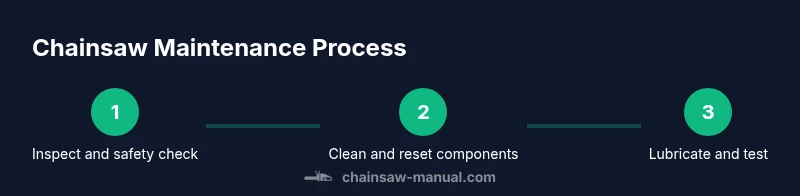
By following this guide, you will perform essential maintenance on a chainsaw to keep it safe, efficient, and reliable. You’ll learn a practical, step-by-step approach for inspecting, cleaning, sharpening, and lubricating, plus safety precautions and when to call a pro. The goal is to extend life and prevent accidents through routine care.
Why maintenance chainsaw matters
Regular maintenance chainsaw care is the foundation of safe operation, predictable cutting performance, and long engine life. According to Chainsaw Manual, neglecting routine checks leads to reduced efficiency, higher fuel use, and greater risk of kickback or breakdowns. This block lays the groundwork for a practical, safety-first approach that fits real-world workloads. By investing a little time now, you’ll minimize downtime and keep projects on track, whether you’re a weekend hobbyist or a professional logger. The goal is to empower you with reliable performance, less frustration, and safer use under varying conditions.
Chainsaw maintenance is not optional fluff; it is essential maintenance that protects your investment and your safety. The more consistently you practice clean hands, clean parts, and careful inspection, the fewer surprises you’ll encounter on the job. Chainsaw Manual emphasizes clear, repeatable steps that you can apply month after month, season after season, to keep your saw ready when you need it most.
Safety prerequisites before maintenance
Before you touch a chainsaw, prioritize safety. Put on PPE including cut-resistant gloves and eye protection, secure the work area, and ensure the saw is cooled if recently used. Engage the chain brake and unplug the spark plug boot for gas models to prevent accidental starts. A well-lit, well-ventilated workspace with a stable surface minimizes slips and accidents. If you’re unsure about any procedure, refer to your model manual and take time to review safety notes. Chainsaw Manual recommends a deliberate, calm approach to maintenance to reduce risk while you work.
A clear plan reduces mistakes. Keep a dedicated maintenance space free of obstructions, store tools neatly, and have a clean bench for parts. Regularly inspecting for loose fasteners or cracked handles saves time later and prevents injuries.
If you work with others, brief everyone on the plan and set a timeline for the session. This collaborative approach keeps safety front and center and makes maintenance more efficient in busy weeks.
Routine maintenance schedule you can rely on
Set a simple cadence to keep your chainsaw in top shape without overwhelming your calendar. A lightweight approach could include a quick post-work wipe-down and inspection after each use, a deeper clean and air-filter check weekly, and a full preventive maintenance cycle every 1–3 months depending on usage. Seasonal storage should include fuel stabilizer and a thorough cleaning to remove dust, sap, and oil residues. Chainsaw Manual guidance emphasizes consistent checks of the air intake, bar and chain condition, and lubrication levels to sustain performance and minimize downtime.
Documenting the date of each task helps you build a maintenance log that you can reference when ordering parts or planning service with a pro. A simple log includes task type, date, and any notes about wear or replacements. This practice makes it easier to spot trends, such as a bar needing earlier replacement or a chain that dulls unusually fast. Adopting a steady rhythm saves money and time in the long run.
Cleaning the exterior and air intake
Dirt and sap buildup on the cooling fins, air intake, and cover can block airflow and reduce performance. Start with a visual inspection of the cooling fins and clean away caked debris with a soft brush. Use compressed air or a gentle stream of air to clear dust from the air intake screen, then wipe the exterior with a cloth dampened with mild degreaser. Be careful not to push debris into the carburetor or exhaust. A clean exterior helps you spot wear early and keeps cooling efficient during long cuts.
After cleaning, check for loose screws or missing fasteners around the cover. Tighten as needed to prevent parts from vibrating loose. If you notice persistent leaks or unusual smoke, stop and assess further before continuing work. Keeping a clean workspace also reduces the chance of accidentally introducing debris into fuel or lubrication systems.
Air filter cleaning and replacement essentials
A clean air filter is vital for optimal fuel efficiency and engine life. Remove the filter, inspect for signs of wear or oil saturation, and clean or replace as appropriate. Some filters are washable; others require replacement. If your model uses a pre-filter, remove and clean it separately. Use a soft brush to remove loose dirt, then tap or blow air from the clean side outward to avoid pushing contaminants deeper into the filter housing.
Always allow a dry filter to air thoroughly before reinstalling. A clogged or damaged air filter restricts airflow, reducing power and increasing fuel use. Keeping spares on hand helps you maintain schedule without delays. Proper air filtration protects the carburetor and piston rings from premature wear and keeps your cutting performance consistent.
Bar inspection and replacement criteria
The bar is the heart of cutting performance. Inspect the bar rails for wear and a rounded groove; deep grooves or a concave wear pattern indicate a replacement is likely needed. Check the groove width and look for burrs that can guide dust into the chain. Clean the groove with a dedicated bar groove cleaner and remove any lodged debris. If the bar shows excessive wear or cracked rails, replace it rather than risking chain derailment or kickback.
Lubrication is essential to prevent bar wear. Ensure the oil channel is clear and the oil holes are free of blockages. A dirty or worn bar can create heat buildup, reducing cutting efficiency and increasing the chance of chain damage. A spare bar in good condition can save downtime during busy seasons.
Drive sprocket, clutch area, and chain path check
Inspect the drive sprocket for hooked or missing teeth and measure for wear. A worn sprocket can cause chain slippage and reduced performance. Check the clutch housing for clean operation; a dirty clutch can slip and cause uneven cutting. Remove any built-up oil and debris around the chain path and inspect the chain path for alignment issues. Cleanliness here helps reduce heat and wear on the drive system, extending the life of internal components.
If you notice scraping sounds or unusual resistance, stop and assess. Replacing a worn sprocket and cleaning the clutch area are inexpensive preventive actions that prevent more serious damage later. Document any wear patterns for future reference when shopping for parts.
Sharpening and filing the chain correctly
A sharp chain makes cutting safer and more efficient. Use a proper filing kit with a guide to maintain consistent angle and depth. Only file the active cutting teeth and rotate the bar to access all teeth evenly. Check chain tension after sharpening, as a sharper chain can sit differently on the bar. If you’re unsure about filing angles, consult the user manual or watch a recommended tutorial before proceeding.
Keep the chain clean and dry to avoid corrosion. A dull chain increases resistance, causing more heat and possible kickback. Regular sharpening reduces the effort required and extends chain life, but over-sharpening can weaken the teeth. Work gradually and test cut on a scrap log to verify tension and performance.
Chain tension, lubrication, and reservoir checks
Proper chain tension is critical for safe operation. A tensioned chain sits snugly on the bar with a slight slack when pulled at the midpoint. Too tight and it wears the bar; too loose and it can derail or cause kickback. Adjust according to the manufacturer’s instructions and double-check after a few minutes of operation. Lubrication is equally important; ensure the bar oil reservoir is filled to the recommended level and the oil is clean. A steady oil supply keeps the chain cool and reduces wear on the drive system.
If you notice dry spots or insufficient oil flow, inspect the oil pump and passages for obstructions. Clear any debris and test again before returning to work. Regular checks prevent overheating and ensure consistent cutting performance across tasks.
Fuel system basics and carburetor care for beginners
Gas-powered chainsaws rely on a clean fuel system. Use fresh fuel mixed to the manufacturer’s ratio and never store fuel for long periods in the machine. Inspect the fuel line for cracks or leaks, and replace as needed. If the carburetor shows signs of varnish or poor idle, consider a professional cleaning or rebuild. Do not attempt major carburetor work unless you’re confident in the process; improper adjustment can damage the engine.
Change the fuel filter if equipped, and ensure the air intake and carburetor areas are clean. A well-maintained fuel system delivers reliable starting and smooth running, while a neglected system can cause bogging, stalls, and poor performance. Keep spare parts on hand so you can address wear before it impacts cutting time.
Storage and seasonal maintenance reminders
At season end, perform a thorough cleaning and remove any residual fuel. Run the saw briefly with fresh fuel to confirm normal operation before storage, then drain or stabilize fuel as recommended. Store the tool in a dry, ventilated area away from direct sunlight and moisture. Check bar oil levels and grease points if your model has them, and consider a quick coating of protective oil on metal surfaces to prevent corrosion.
A simple storage ritual saves you from rust, seized components, and degraded performance when you pull the saw back out. Review and update your maintenance log during storage to remind yourself of pending tasks or replacements before next season begins.
Troubleshooting common maintenance issues and when to seek help
If cutting performance drops after maintenance, review your recent steps for potential misassembly or overlooked clogs. Common culprits include a dirty air filter, dull chain, improper tension, or blocked oil passages. Start with the simplest checks first and re-test after each step. If the saw still runs poorly or you detect fuel leaks, unusual smoke, or alarming noises, consult a qualified technician or the manufacturer’s service center.
Rushing repairs or attempting advanced carburetor work without proper training can cause more damage. Chainsaw maintenance should empower you, not frustrate you. When in doubt, reach out for a professional evaluation to prevent safety incidents and protect your investment.
Tools & Materials
- Owner's manual(Model-specific guidance and torque specs)
- Flat-head screwdriver(For cover plates and air filter housing)
- Phillips screwdriver(Alternative for some models)
- Torx driver set(For tensioners and screws)
- Bar/chain oil(Use manufacturer-approved oil; check level before tests)
- Air filter cleaner or compressed air(Clean or blow out debris from filter housing)
- Brush or dedicated bar groove cleaner(Remove debris from bar groove and clutch area)
- Shop towels and degreaser(Clean grime before inspection and during disassembly)
- Safety gloves and eye protection(PPE required for all maintenance sessions)
- Spark plug wrench and replacement(Carry spares and check gap for gas models)
Steps
Estimated time: 90-120 minutes
- 1
Prepare and safety check
Put on PPE, secure the work area, and ensure the saw is cool. Engage the chain brake and disconnect the spark plug boot to prevent accidental starts. This initial step creates a safe baseline for every subsequent action.
Tip: Always verify the chain brake is engaged before touching the chain or bar. - 2
Secure and expose engine bay
Place the saw on a stable surface and loosen screws to access the chain cover. If you must remove the bar, do so only after pouring out fuel and following the manual’s guidance. Keep track of screws so you can reassemble correctly.
Tip: Keep track of all fasteners in a labeled container to avoid misplacement. - 3
Clean exterior and debris
Wipe down the exterior with a cloth and mild degreaser. Remove sap and dirt from cooling fins and around the air intake so cooling remains efficient during operation.
Tip: Use a soft brush for hard-to-reach debris and avoid forcing grime into openings. - 4
Inspect bar and chain
Check the bar rails for wear, and inspect the chain for missing or damaged teeth and proper depth gauges. Clean the groove if necessary to ensure smooth tracking.
Tip: Replace a worn bar or chain before it fails during use. - 5
Clean or replace air filter
Remove the air filter and inspect for oil saturation or tears. Clean if washable or replace if damaged. Reinstall only when dry and free of debris.
Tip: A clean air filter improves fuel efficiency and power output. - 6
Inspect drive sprocket and clutch
Examine the drive sprocket for wear and the clutch housing for cleanliness. Remove built-up oil and debris so the chain moves freely.
Tip: A dirty clutch can cause poor acceleration and chain jump. - 7
Bar groove and oil passages
Clean the bar groove and clear any obstructions in the oil passages. Ensure oil is reaching the bar tip during lubrication tests.
Tip: Test oil delivery by running a brief idle with the bar in a log. - 8
Check chain tension
Set the chain tension to manufacturer specs; it should be snug but move freely by pulling a link away from the bar. Recheck after a short test cut.
Tip: Tension changes with heat; recheck after a few cuts. - 9
Sharpen the chain
File the cutting teeth with a guide to maintain consistent angle and depth. Rotate the bar to file all teeth evenly and avoid removing excessive material.
Tip: Sharpen gradually in small passes rather than a single heavy pass. - 10
Lubricate and refill
Reinstall the cover, fill the bar oil reservoir to the recommended level, and check for leaks. Ensure the chain moves smoothly during a light test cut.
Tip: Use only manufacturer-approved oil to avoid residue buildup. - 11
Reassemble and test
Put the saw back together, reattach the spark plug or battery, and perform a controlled test cut in a safe area. Observe for unusual vibrations, noises, or smoke before resuming work.
Tip: If anything feels off, stop and reassess rather than forcing the saw to continue.
FAQ
How often should I perform maintenance on a chainsaw?
Set a routine based on usage. After every 8–12 hours of cutting, perform a quick inspection and cleaning; schedule a deeper check every 20–40 hours or every season. Adjust based on climate and workload.
Run a quick check after every few cuts, then schedule a deeper service every season or when you notice performance changes.
Can I use household oil for chainsaw bar oil?
Only use oil designed for chainsaws as specified by the manufacturer. Incompatible oil can degrade bar and chain performance and void warranties.
No, use bar oil recommended by the maker to protect the bar and chain.
How do I safely sharpen the chain?
Use a proper filing guide with the correct angle for your chain. File evenly on all teeth, keep tension in the chain, and remove only small amounts per pass.
Sharpen with a guide and keep the teeth even so you don’t weaken the chain.
What should I do if the chain won’t tension properly?
Check the chain tensioner, bar groove for obstructions, and ensure the bar studs are tight. If the chain remains loose, replace worn components and recheck alignment.
If the chain stays loose after adjustments, inspect the bar and tensioner and consider replacing worn parts.
Is it safe to operate the chainsaw without an air filter?
No. Running without an air filter can let dirt into the engine, causing rapid wear and damage. Always inspect and replace a damaged filter.
Don’t run the saw without an air filter; it can seriously harm the engine.
How should I dispose of old fuel or fuel containers?
Use a sealed, labeled container and follow local regulations for disposal or recycling. Fresh fuel should be used promptly and never stored with ethanol blends beyond recommended periods.
Dispose of old fuel properly according to local rules and never mix old fuel with fresh gasoline.
Watch Video
The Essentials
- Develop a simple maintenance rhythm to extend chainsaw life
- Always prioritize safety gear and safe testing procedures
- Keep air intake, bar, and chain clean for optimal performance
- Use manufacturer approved parts and oils to protect engine internals
- Record maintenance actions to plan future replacements and avoid downtime