How to Replace a Chain on a Chainsaw: Step-by-Step Guide
A comprehensive, safety-first guide on how to replace a chain on a chainsaw, including choosing the right chain, preparing the saw, removing the old chain, installing a new chain, tensioning, testing, and post-operation maintenance.


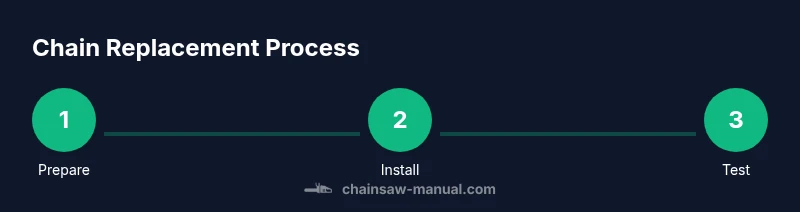
This guide explains how to replace a chain on a chainsaw safely and efficiently. It covers identifying the correct chain, gathering the right tools, preparing the saw, removing the old chain, installing a new chain with proper orientation and tension, and testing safety before use. Following these steps reduces kickback risk and preserves bar wear. The process is suitable for common homeowner and professional setups.
Safety First: Personal Protection and Environment
This article explains how to replace a chain on a chainsaw safely and efficiently. When you handle the saw, protect yourself with PPE and prepare the workspace. Wear cut-resistant gloves, eye protection, hearing protection, and sturdy footwear. Ensure the work area is dry, well-lit, and clear of bystanders or obstacles. Keep a firm stance and avoid distractions. Before you touch any moving parts, make sure the saw is completely powered off and the chain brake engaged. In addition to PPE, maintain a clean workspace with a stable work surface and a dedicated area for tools. According to Chainsaw Manual, following a stepwise approach reduces risk and helps you inspect the chain and bar for wear before installation.
Understanding Chainsaw Chains: Pitch, Gauge, and Drive Links
A chainsaw chain has several key specifications that determine compatibility with your bar and saw. Pitch is the distance between three teeth divided by two, gauge is the thickness of the drive links, and drive links determine how many links engage with the bar. Selecting the wrong chain can cause poor cutting performance, sprocket wear, and increased vibration. When you learn how to replace a chain on a chainsaw, you’ll understand that matching pitch, gauge, and drive links is essential for safe operation.
Tools and Materials You’ll Need
Before you begin, assemble the essential tools and materials and verify compatibility with your model. You’ll need a replacement chain matched to your saw’s pitch and gauge, a wrench or scrench for bar nuts, a chain tensioning tool if available, bar oil for lubrication, and appropriate PPE. Keep a clean workspace and a container for small parts so nothing is misplaced. The Chainsaw Manual recommends organizing tools ahead of time to avoid mid-task interruptions.
Preparing Your Chainsaw for Chain Replacement
Power down completely, disconnect the energy source (battery or plug), and engage the chain brake. Place the saw on a stable surface with the bar facing away from you. Confirm that the chain has come to a complete stop and ensure the chain is not contacting any surface. Wipe down the bar area to remove sawdust and oil buildup. These preparatory steps prevent accidents and help you align the new chain correctly.
How to Remove the Old Chain
Loosen the bar nuts just enough to move the bar, then lift the bar plate to reveal the chain loop. Carefully slide the chain off the bar, starting at the top and guiding it away from the drive sprocket. Inspect the bar and the drive sprocket for wear, cracks, or embedded debris. If the bar shows significant wear, replace or reface it before installing the new chain. Keep track of the chain’s orientation so you can reproduce it with the new chain.
Installing the New Chain Correctly
Turn the bar so the teeth face the correct cutting direction as indicated on the chain; align the drive links with the bar’s sprocket. Lower the bar into the saw housing and thread the chain around the bar and drive sprocket. Reattach the bar cover and snug the nuts according to manufacturer guidance. Do not overtighten, as this can cause binding or premature wear.
Tension, Alignment, and Function Test
Proper tension is crucial for safe operation: the chain should move freely on the bar with a slight resistance when pressed. Tighten the bar nuts incrementally and check tension again after a short test run. Inspect the entire chain for tight spots, misalignment, or kinking. Run the saw briefly at low idle in a safe area to confirm smooth operation and no unusual vibrations. If you notice issues, re-check orientation and tension.
Aftercare, Lubrication, and Safe Storage
After finishing, clean the bar groove and chain, removing embedded wood particles and dust. Refill with fresh bar oil if needed and wipe down the exterior to prevent rust. Store the saw in a safe location away from children and pets, ideally with the chain cover in place. Regular maintenance including lubrication and tension checks reduces future downtime.
Common Mistakes to Avoid
Avoid mixing chain pitches or gauges. Do not overtighten the chain or operate without bar oil, and never run the saw with the chain off the bar. Misalignment or loose bar nuts can cause kickback, poor cutting performance, and rapid wear. Take your time and double-check orientation and tension before resuming work.
Tools & Materials
- Replacement chain (matched pitch, gauge, and drive links)(Check the bar and drive sprocket compatibility)
- Bar nuts wrench or scrench(Size depends on your saw model)
- Sprocket cover tool or chain tensioning tool(If available; otherwise use the built-in tool)
- Chain oil(Use fresh oil suitable for chainsaws)
- Personal protective equipment (PPE): gloves, eye protection, hearing protection(All essential for safe handling)
- Rags or a disposable liner(For cleaning and wiping excess oil)
- Torque wrench or adjustable wrench(Optional for precise torque on bar nuts)
Steps
Estimated time: 25-40 minutes
- 1
Prepare and secure the saw
Place the saw on a stable surface with the bar facing away. Apply PPE and ensure power is off. Open accessible space around the bar to allow free movement during replacement.
Tip: Keep a clean, organized workspace to prevent lost parts. - 2
Disconnect power and engage chain brake
Power down completely, disconnect the energy source, and engage the chain brake. This prevents the chain from moving while you're working.
Tip: Double-check that the brake engages firmly. - 3
Loosen bar nuts and lift the bar
Loosen the bar nuts just enough to free the bar plate. Lift the bar to access the chain loop.
Tip: Only loosen enough to move; avoid removing nuts fully yet. - 4
Remove the old chain from the bar
Slide the chain off the bar starting at the top, guiding it away from the drive sprocket. Inspect the bar and the drive sprocket for wear, cracks, or embedded debris.
Tip: Take note of the chain orientation to mirror with the new chain. - 5
Position the new chain on the bar
Place the new chain around the bar and drive sprocket with teeth pointing in the correct direction. Check that the drive links align with the bar’s groove.
Tip: Avoid bending or twisting the chain during this step. - 6
Reassemble the bar and tighten nuts
Reattach the bar cover and snug the nuts. Verify the chain sits correctly in all guides before testing.
Tip: Do not overtighten; slight resistance is normal. - 7
Set tension and test operation
Tension the chain (it should move freely with light resistance when pressed on the mid-span). Run the saw briefly in a safe area to check for smooth operation.
Tip: If the chain comes off or binds, re-check orientation and tension.
FAQ
Do I need to replace the bar when changing the chain?
Not always. If the bar shows significant wear or damage, replace it; otherwise you can reuse the bar if it's in good condition and compatible with the new chain.
Not always. If the bar shows significant wear or damage, replace it; otherwise you can reuse the bar if it's in good condition and compatible with the new chain.
What chain pitch and gauge do I need?
Check your chainsaw manual or the stamped markings on the bar; match the pitch and gauge exactly for proper fit and safe operation.
Check your manual or bar markings to match pitch and gauge exactly.
How tight should the chain be after replacement?
The chain should have a slight drag when pressed at the mid-point and should freely move with some resistance by hand.
It should move with a little resistance when pressed in the middle.
Can I replace a chain without tools?
Basic instructions require at least a wrench or scrench and a replacement chain; using the proper tools helps avoid damage.
You’ll usually need at least a wrench and the right replacement chain.
What safety PPE should I wear?
Wear eye and ear protection, gloves, and chainsaw chaps; PPE reduces injury risk during replacement and testing.
Wear eye protection, hearing protection, gloves, and protective clothing.
How often should I replace a chain?
Replace when the chain shows excessive wear, dull cutting, missing teeth, or obvious damage; routine checks help spot wear early.
Replace when you notice wear, dull cutting, or damaged teeth.
Watch Video
The Essentials
- Choose the right chain to match pitch and gauge
- Always secure power and engage the brake before work
- Tension and alignment are critical for safe operation
- Inspect the bar and sprocket for wear during replacement
- Maintain proper lubrication for optimal performance