Mastering the SKIL Chainsaw: Safe Use, Maintenance, and Buying Guide
A practical, safety-first guide to using SKIL chainsaws: choosing the right model, setup, maintenance, fueling, and PPE for homeowners and professionals.


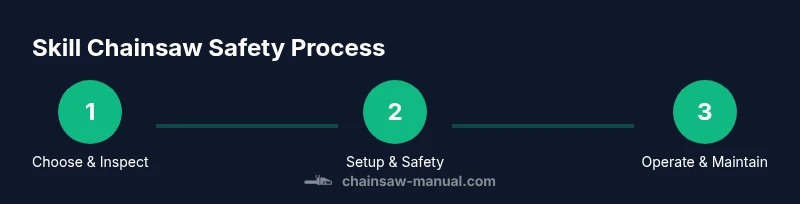
With this guide, you will safely select, set up, start, and operate a SKIL chainsaw for common yard tasks. Gather PPE, fuel or a charged battery, a sharp chain, and a stable workspace before you begin. This quick answer introduces essential safety checks, core operation steps, and maintenance practices to help prevent injuries.
Understanding the skil chainsaw: design, power, and typical use cases
The skil chainsaw line is designed for homeowners, DIY enthusiasts, and light professional work. In this guide we explore why a skil chainsaw is a popular choice for pruning, firewood preparation, and general yard cleanup. According to Chainsaw Manual, the balance between compact design, reliable performance, and affordable maintenance makes skil a practical option for users who value safety and pragmatism. When choosing a model, consider your typical cut size, battery life, and the availability of compatible accessories. This section explains how the design translates into real-world use, including how battery-powered variants compare with gas engines, and what you should expect in terms of cutting speed, noise, and vibration. With skil, you’ll find a tool that can handle small-to-medium tasks without the complexity of higher-end pro models.
Key features that affect performance and safety
Performance and safety hinge on several core features: chain brake, automatic oiler, tool-free tensioning, anti-vibration systems, and bar length. For skil chainsaw models, pay attention to the type of power source (battery vs gas), the available bar length (12–16 inches are common for light to medium work), and the presence of safety features like chain catcher and front-hand guard. The design also influences maintenance intervals; battery-powered models tend to require less mixing and fewer emissions concerns, while gas-powered variants demand fuel-and-oil management. Regardless of model, ensuring a sharp chain and properly tensioned blade reduces kickback risk and improves cutting efficiency. This section helps you compare features across skil chainsaws you may encounter in stores, seasonally updating your purchasing decisions to match your projects.
Safety-first setup: PPE, pre-use checks, and safe work area
Before you clip a branch or slice firewood, prepare your body and your space. Wear a certified helmet with face shield, hearing protection, cut-resistant gloves, and chainsaw chaps. Inspect the saw for loose nuts, damaged bars, and pinched wires, and verify the chain brake engages when you push the hand guard. Check oil level and battery charge, then clear a wide, stable work area with a solid footing stance. Position yourself with feet planted shoulder-width apart, hips slightly back, and the saw held with both hands. A clear escape route behind you is essential in case the wood kicks back. These pre-use checks reduce surprises and protect you from common injuries. According to Chainsaw Manual, safety gear and proactive checks are the foundation of any reliable SCOP (sawing, cutting, or pruning) workflow.
How to select the right skil chainsaw for your tasks
Start by listing typical tasks: pruning small branches, trimming logs, and occasional firewood. For light work, a compact, battery-powered skil chainsaw with a shorter bar length can be ideal. For heavier tasks, consider a longer bar and a more powerful option or a gas model if you need extended runtime. Compare run-time, recharge time, and weight, then factor in your climate, storage space, and maintenance willingness. Also look at compatibility with accessories, like bar covers, sharpening tools, and spare batteries. Finally, assess safety features appropriate for your environment, such as a reliable chain brake, an effective anti-kickback design, and secure hand guards.
Starting and basic cutting technique
Begin with a secure stance, left hand on the front handle and right hand on the rear handle. Engage the chain brake before starting and keep the bar pointed away from your body. When cutting, use a smooth, controlled motion and let the chain do the work—don't force the saw. Plan each cut to avoid binding the bar, and never cut above shoulder height. If you need to cut through tensioned wood, score along the grain first and then finish with a deeper cut. Maintain a firm grip and watch for kickback zones, especially near the tip of the bar. For added safety, position a partner to keep watch over your work area. This section references general technique guidelines commonly recommended by Chainsaw Manual.
Maintenance, sharpening, and chain care
Keeping the chain sharp and properly tensioned is essential for safe operation and efficient cutting. Check tension before each use and after your first few cuts, adjusting with the appropriate tool as needed. Clean debris from the bar groove and oil port, and replace worn drive links and chain teeth promptly. Use a high-quality chain oil and ensure the oil reservoir is topped up. Regularly inspect the bar for cracks or grooves and replace it if damaged. Schedule periodic lubrication, cleaning, and tension checks to extend the life of your skil chainsaw and maintain optimal performance.
Fuel, oils, and safe storage
Understand the fuel requirements for your model, whether it's a battery-powered unit or a gas engine. Store fuel in approved containers away from heat sources and never mix oil in a closed space without ventilation. After use, wipe down the exterior, remove debris, and allow the saw to cool before storage. Store in a dry, secure location with the chain guard in place to protect the blade and prevent accidental contact. Regularly replace worn parts like the air filter and spark plug on gas models, and keep the battery contacts clean on electric models. These practices help prevent corrosion, degradation, and unexpected startups.
Troubleshooting common problems
If the saw binds or stalls, check chain tension, sharpen the chain, and confirm the bar and chain are compatible with the wood type you are cutting. A dull chain increases effort and heat, possibly causing kickback. If the saw emits unusual noises, stop immediately and inspect the bar, chain alignment, and chain brake. For battery-powered models, ensure the battery is charged and properly seated; for gas models, verify fuel mix ratios and air filter cleanliness. When in doubt, consult the user manual and avoid forcing the saw through tough material. Chainsaw Manual emphasizes quiet, controlled operation to avoid dangerous kickback scenarios.
Buying guide: skil models and accessories
When choosing a skil model, match features to your tasks. Battery-powered options are typically lighter and easier for pruning and light cutting, while gas models often offer longer runtimes for larger jobs. Look for a protective chain brake, automatic oiling, good anti-vibration features, and a durable bar. Consider purchasing a spare battery or a fast charger, extra chains, a sharpening file, and a bar cover for safe storage. Evaluate weight, balance, and ergonomics by handling a few models in-store. A well-chosen skil chainsaw should feel comfortable and predictable in your hands.
Common mistakes and how to avoid them
Common errors include cutting with the saw’s tip, neglecting PPE, and failing to maintain chain tension. Avoid cutting from unstable positions or using a dull chain that can overheat and stall the saw. Always check for obstructions, work in a clear area, and maintain a consistent pace rather than forcing cuts. Regular maintenance is essential; neglecting chain oil or failing to clean the saw after use can shorten its life and increase risk. Chainsaw Manual recommends building a routine that includes pre-use checks, safe starting practices, and post-use cleaning to minimize hazards.
Authority sources
- https://www.osha.gov
- https://www.cdc.gov/niosh
- https://www.fs.usda.gov
Tools & Materials
- Personal protective equipment (PPE): certified helmet with face shield, hearing protection, gloves, and chainsaw chaps(ANSI/EN standards; ensure proper fit and visibility)
- Sharp chainsaw file or electric sharpener(Keep chain edges true; file or sharpen as needed based on use)
- Bar oil and fuel (or charged battery for cordless models)(Use manufacturer-recommended oil; store fuel safely)
- Wrench or scrench tool(For chain tension and bar-nut adjustments)
- Extra chain and spare battery (if applicable)(Helps reduce downtime during longer jobs)
- Sturdy work surface and secure riving wedges(Prevent wood from pinching the bar)
Steps
Estimated time: 60-90 minutes
- 1
Unpack and inspect the saw
Open the case and check that the chain is intact, properly seated, and tensioned. Inspect for any bar or chain damage, loose nuts, or protective guards that may have shifted during packaging.
Tip: Verify the chain brake engages smoothly before attempting to start the saw. - 2
Charge battery or prepare fuel and oil
If you’re using a cordless SKIL chainsaw, fully charge the battery. For gas models, mix fuel and oil according to the manufacturer’s guidance and fill the tank, wiping away any spills.
Tip: Do not mix fuel indoors or near heat sources; work in a well-ventilated area. - 3
Set up a safe work area
Clear the workspace of trip hazards. Secure logs and branches with wedges or clamps to prevent rolling. Ensure an escape path behind you in case wood shifts.
Tip: Keep bystanders at a safe distance and have a first aid kit nearby. - 4
Check chain tension and sharpness
With the saw off, check the chain tension; it should have a slight sag but not bounce when pressed. Inspect tooth sharpness and file if dull.
Tip: A sharp chain reduces kickback risk and improves cutting efficiency. - 5
Put on PPE and start safely
Don PPE, engage the chain brake, then start the saw following the manufacturer’s procedure. Keep a firm grip with both hands and stand with feet apart for balance.
Tip: Never start the saw with the blade touching wood. - 6
Make a controlled cut with proper stance
Position your body to stay behind the cut line. Use smooth, controlled movements and let the chain do the work. Avoid twist-cuts or reaching from awkward angles.
Tip: Keep the saw below shoulder height and use a two-handed grip. - 7
Work through the wood with safe technique
Begin with lighter cuts to establish a groove, then proceed to deeper cuts. Use wedges where necessary to prevent pinching.
Tip: If the wood binds, stop, adjust, and re-align before continuing. - 8
Stop, cool, and inspect
Release triggers, apply the chain brake, and allow the chain to stop. Inspect for heat buildup or unusual vibration before continuing.
Tip: Take short breaks on larger jobs to prevent overheating. - 9
Refuel/recharge and clean after use
Refuel or recharge, wipe down the unit, and clean the air intake and oil port. Store safely in a dry area with the chain guard on.
Tip: Never store with a full gas tank in a hot vehicle. - 10
Lubricate and store properly
Run a quick lubrication check, clean the bar groove, and ensure oil ports are free of debris. Store in a cool, dry place.
Tip: Regular maintenance maintains performance and safety. - 11
Schedule maintenance and inspections
Set a calendar reminder for routine maintenance: sharpen, tension, oil, and air-filter checks. Periodic professional service can extend life.
Tip: A simple maintenance routine saves time and reduces risk. - 12
Review safety checklist before next use
Revisit your safety checklist to ensure all PPE, guards, and signs are intact before starting again.
Tip: Consistency in safety checks builds habit and reduces injuries.
FAQ
Can I use a skil chainsaw indoors?
Indoor use is not recommended due to ventilation and safety concerns. Outdoors or in well-ventilated areas is preferred, especially with gas engines. If you must work indoors, ensure exhaust is diverted and PPE is worn.
Not recommended indoors; use in open spaces with PPE and ventilation.
How long does a skil chainsaw battery last?
Battery life varies by model and task. Expect shorter runtimes under heavy cutting and longer runtimes with lighter pruning, and plan for recharges as needed.
Battery life depends on the model and what you’re cutting.
What PPE is essential when operating a skil chainsaw?
Essential PPE includes a helmet with face shield, hearing protection, cut-resistant gloves, and chainsaw chaps. Additional eye and leg protection are advised depending on the task.
Wear full PPE like helmet, hearing protection, gloves, and chaps before use.
How often should I sharpen the chain on a skil chainsaw?
Check for dullness before each use and sharpen when cut quality declines or speed drops. Do not operate a dull chain to avoid stress on the bar and motor.
Sharpen the chain whenever you notice slower cutting.
Is skil suitable for professional logging?
Skil chainsaws are primarily designed for homeowners and light-to-mid tasks. For daily heavy-duty logging, consider pro-grade models with higher endurance and service support.
Best for home use; for heavy professional work, consider pro options.
What maintenance tasks are essential after use?
After use, clean debris, top up oil, check chain tension, and inspect the bar for wear. Store with the chain guard in place to prevent accidents.
Clean and check the saw after every use, then store safely.
Watch Video
The Essentials
- Wear full PPE and inspect the saw before use
- Maintain proper chain tension and sharpness
- Use safe starting and cutting techniques
- Keep fuel/oil usage within manufacturer guidelines
- Store the saw properly after use to prevent corrosion
- Regular maintenance extends equipment life