Husqvarna G3200P: Safe Use and Maintenance Guide
A safety-first guide to operating and maintaining the Husqvarna G3200P chainsaw, covering startup, fueling, cutting techniques, maintenance, and storage for homeowners and professionals.


This guide shows you how to safely start, operate, and maintain the Husqvarna G3200P. You will learn pre-start checks, fuel and oil mix basics, chain tensioning, cutting techniques, and safe shutdown. Before you begin, assemble protective gear, a properly sized tool kit, and fresh fuel in the correct mixture. Follow the steps carefully to minimize risk and maximize performance.
Safety foundations for the husqvarna g3200p
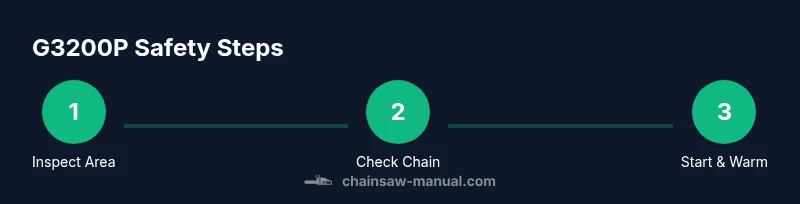
Before touching any power tool, ensure you are prepared. The husqvarna g3200p is a gas-powered chainsaw that demands respect for kickback, fuel handling, and blade control. In this section, we cover the non-negotiables: PPE, a clear workspace, and understanding the saw's safety features such as chain brake, throttle lock, and stop switch. Always check the area for nails, cracks in wood, and hidden hazards. The Chainsaw Manual team emphasizes a calm, deliberate approach to starting and operating, and stresses never to bypass safety devices. By building a safety-first mindset, you reduce the risk of injury and improve cutting results.
Key safety reminders include never operating a saw under the influence of fatigue or substances, keeping both feet on solid ground, and ensuring bystanders are well clear of the work zone. In practice, perform a quick visual check of the chain, bar, and air filter, and confirm that the chain brake engages before starting. This foundation sets the tone for a safe, productive session with the husqvarna g3200p.
Throughout this guide, the Chainsaw Manual team will reference standard safety practices, emphasizing planning, protective equipment, and controlled, deliberate action. Treat every start as a test of control, not a race against the clock. The goal is to complete your task with consistent results while minimizing risk.
Tooling, PPE, and setup essentials
Getting started safely with the husqvarna g3200p begins with the right gear and a clean, controlled environment. Personal protective equipment (PPE) is non-negotiable: wear a quality hard hat or face shield, impact-rated eye protection, hearing protection, sturdy gloves, and cut-resistant chaps. Ensure you have a stable work surface and solid footing—keep your stance wide and your body weight balanced. Have dedicated fuel containment, a supply of bar oil, and a basic scrench or combo tool to adjust chain tension and cover screws. The chain brake should be easily reachable, and the stop switch must be confirmed to function. Keep a clean rags and a brush handy to wipe sap and dust away. Regular tool maintenance is essential—inspect tools for wear and replace damaged items before use. Consistency in setup reduces variation in start-ups and improves overall control.
In our experience at Chainsaw Manual, a well-prepared operator who has checked PPE and area safety tends to have faster, more reliable starts and smoother operation. Ensure your work area is free of obstacles, pets, and children. A brief briefing at the start of each session — including a quick check of fuel levels and chain condition — is a small habit that yields big safety dividends.
Fuel, oil, and maintenance basics for the G3200P
The G3200P uses a gasoline-and-oil mix appropriate for two-stroke engines, plus bar oil to lubricate the chain during cutting. Always follow the manufacturer’s recommended fuel-to-oil ratio and the quality of fuel you use. Prefer fresh, clean fuel and minimize ethanol blends when possible, as these can affect performance and starting reliability. Check and fill the bar oil reservoir before each use; operating without adequate bar oil can increase friction, wear, and heat on the chain. Regularly inspect air filtration and the spark plug; clean or replace components as needed according to the manual. If you notice inconsistent starting, unusual noises, or smokiness, consult the manual or a service professional rather than guessing. The goal is reliable, efficient operation and longevity for the husqvarna g3200p.
Remember: improper fuel mixing or poor lubrication levels are common causes of reduced performance. When in doubt, consult the official Husqvarna documentation and avoid risky improvisations. These maintenance habits protect your machine and ensure safer operation on the next task.
Starting, warming up, and safe operation
Starting the husqvarna g3200p safely requires a calm, deliberate routine. Begin with a stable stance, ensure the chain brake is engaged, and verify that the area is clear. Set the appropriate choke or fuel enrichment according to the manual, prime if required, and grip the saw firmly with both hands. Pull smoothly until the engine fires, then gradually release the choke and allow the engine to idle. As it warms, switch to normal running and test throttle response in a controlled, off-dirt area before engaging the chain. If any abnormal vibration, smoke, or smells occur, stop and diagnose rather than continuing to cut. Always operate with the chain brake engaged when you are not actively cutting, and keep spectators at a safe distance from your work zone.
A consistent warm-up reduces sudden loading and improves control, making it safer and more efficient to complete tasks with the husqvarna g3200p.
Cutting techniques, restraint, and common mistakes
Use controlled, deliberate cuts with the saw’s bar angled slightly away from your body to maintain balance. Keep your elbows bent, shoulders relaxed, and core engaged to maximize stability. Avoid overreliance on throttle and never force a cut; instead, let the chain do the work at a steady speed. Maintain a clear retreat path and position yourself so you can react quickly to kickback scenarios. Common mistakes include cutting with the saw above shoulder height, ignoring chain tension, and failing to maintain a stable stance. Practicing in small, incremental cuts helps you develop consistency and reduces the likelihood of accidents. Remember to re-check chain tension and lubrication after the first few passes, especially on fresh cuts or hard wood.
By combining controlled technique with consistent safety checks, you improve both speed and accuracy while protecting yourself and others around you.
Maintenance, storage, and long-term care
Post-work, clean the husqvarna g3200p and wipe away sap, dust, and debris from the body and chain. Inspect the chain for sharpness and tension, adjusting with the scrench as needed and checking for damaged links. Store fuel and oils away from heat sources and ensure the tool is fully cooled before storage. For longer-term storage, consider draining fuel from the tank and keeping the chain and bar covered in a dry area. Schedule periodic maintenance with the manufacturer’s recommended service intervals and replace worn parts before they fail during a job. Regular upkeep helps preserve performance, safety, and resale value over time.
Tools & Materials
- Fuel container (gas can)(Leak-proof and clearly labeled)
- Fresh gasoline-oil mix (per manual)(Use the correct ratio; mix thoroughly)
- Two-stroke engine oil(For lubrication in the fuel mix)
- Bar and chain oil(Keep reservoir topped before use)
- Screwdriver / scrench combo tool(Adjust chain tension and cover screws)
- Chain sharpening file or kit(Keep chain sharp; follow tooth guidelines)
- Personal protective equipment (PPE) set(Helmet/face shield, hearing protection, gloves, chaps)
- Shop rag and cleaning brush(For maintenance cleanup)
- First-aid kit(In workshop safety, accessible location)
Steps
Estimated time: 45-60 minutes
- 1
Inspect the bar and chain
Visually inspect the bar and chain for wear, cracks, or damage. Check for loose rivets or missing drive links and ensure the chain moves freely on the bar without binding. If you find damage, replace or service the chain before starting the saw.
Tip: A damaged chain can fail mid-cut; replace it before use. - 2
Check chain tension and bar oil level
With the engine off, verify proper chain tension by lifting the chain's midpoint; it should have a small amount of play but not sag excessively. Refill the bar oil reservoir if needed to maintain lubrication during cutting.
Tip: Tension the chain while the bar is warm for best results. - 3
Verify area, PPE, and stance
Ensure a clear work area and that you wear full PPE. Stand with legs apart for balance and keep your body behind the saw to minimize exposure to kickback.
Tip: A stable stance improves precision and reduces fatigue. - 4
Prepare fuel and ignition controls
Check that the fuel mix is prepared exactly as specified and that the choke or primer (if applicable) is set according to the manual. Confirm the chain brake is engaged before you start.
Tip: Never start the saw with the chain brake disengaged. - 5
Start the engine safely
Grip the saw firmly, pull smoothly to start, and let the engine transition from choke to run as the sound settles. Do not yank aggressively; a controlled start minimizes kickback risk.
Tip: If the engine stalls, wait a moment before attempting again. - 6
Warm up and test response
Allow the engine to idle briefly and then apply light throttle to confirm smooth operation. Stop if you notice abnormal vibration or smoke.
Tip: A warm engine reduces resistance when cutting. - 7
Begin cutting with controlled technique
Make deliberate, shallow cuts first to assess wood density and resistance. Keep the saw close to your body and avoid forcing the cut.
Tip: Let the chain do the work; avoid high RPM stomping or heavy pressure. - 8
Shutdown and post-use checks
Return the saw to idle, engage the chain brake, and allow the engine to cool before moving. Clean sap and debris from the saw and inspect for any signs of wear.
Tip: Cleaning immediately after use prevents sap hardening and corrosion.
FAQ
What is the Husqvarna G3200P designed for?
The Husqvarna G3200P is designed for yard work and light professional tasks, offering gas-powered operation with a focus on safety and reliability for everyday cutting tasks.
The Husqvarna G3200P is built for general yard work and light professional use, prioritizing safe handling and dependable performance.
How do I safely start the G3200P?
Start by engaging the chain brake, checking PPE and area safety, and following the manual’s starting procedure. Do not rush the choke or priming steps, and ensure the engine warms before heavy cuts.
First engage the safety features, then follow the manual’s starting steps while warming up for safe operation.
What fuel mix does it require?
Use the fuel-to-oil mix recommended by Husqvarna in the manual and avoid guessing. Use clean, fresh fuel and the correct oil mix to protect the engine.
Use the exact fuel-oil mix specified by Husqvarna in the manual for best performance.
How often should I sharpen the chain?
Check chain sharpness regularly and sharpen when dull. A sharp chain improves safety and cutting efficiency and reduces wear on the bar.
Keep the chain sharp; dull teeth slow cutting and increase risk of accidents.
What PPE is mandatory when using the G3200P?
Mandatory PPE includes a helmet or face shield, hearing protection, eye protection, gloves, and cut-resistant chaps. PPE greatly reduces injury risk during operation.
Wear full PPE every time you operate the saw to minimize injury risk.
How should I store the saw to prevent damage?
Store in a cool, dry place once cooled. Drain fuel if storing long-term and keep the bar and chain covered to prevent rust.
Let it cool, store in a dry place, and consider draining the fuel for long-term storage.
Watch Video
The Essentials
- Prepare with PPE and a clear area before starting.
- Follow the manufacturer’s fuel mix and lubrication guidelines.
- Maintain proper chain tension for safe operation.
- Use controlled cuts and a balanced stance to reduce risk.
- Clean and inspect after use to extend tool life.