How to Use a Chainsaw for the First Time
Learn safe, practical steps to use a chainsaw for the first time. This Chainsaw Manual guide covers PPE, prep, starting techniques, basic cutting, and post-cut care for confident, injury-free work.


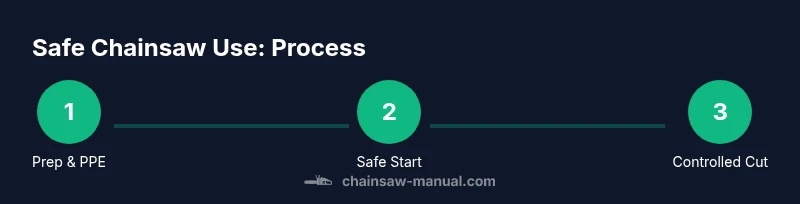
By the end of this page you will know how to safely use a chainsaw for the first time: how to choose PPE, prepare your work area, start the saw correctly, use proper grip and stance, perform a basic cut, and finish with safe shutdown and maintenance. Follow these steps to minimize risk and maximize control.
Why safety matters when you use a chainsaw for the first time
Using a chainsaw for the first time brings a real sense of capability, but it also carries serious risk. The best way to manage that risk is to build safety into every step. According to Chainsaw Manual, safety starts before you lift the saw: wear the right PPE, inspect the equipment, and establish a clear work area free of bystanders. When you approach the saw, treat it as a powerful tool, not a toy. You will gain more confidence and fewer injuries if you slow down and check each factor—body position, grip, kickback potential, fuel and bar oil, and the terrain you’ll work on. In practice, this means planning your cut, choosing a stable anchor, and keeping a steady pace rather than rushing through a task. The first-time user should expect a learning curve; with a methodical approach you will build muscle memory that translates into smoother, safer cuts over time. Chainsaw Manual analysis, 2026, emphasizes that adherence to PPE and pre-use checks dramatically improves outcomes for beginners.
Pre-use checks and workspace setup
Before you touch the saw, clear your workspace of trip hazards, pets, and bystanders. Establish a firm footing with your feet shoulder-width apart and your non-dominant foot slightly forward for balance. Engage the chain brake, verify the bar oil reservoir is full, and check fuel mix if you are using a gas-powered model. Inspect the chain for dull teeth, proper tension, and lubrication. Remove loose clothing and secure long hair. Create a simple reference line on the cutting area so you know where the blade should travel. These checks reduce unpredictable movements and help you respond quickly if the saw kicks or binds. Keeping a tidy, well-lit zone reduces mistakes and builds confidence for your first cuts.
Selecting the right chainsaw and fuel for beginners
Aim for a lighter, controllable saw with a short to mid-range bar length (usually 12–16 inches for beginners). Heavier tools demand more strength and experience, which can compromise control. Check the saw’s weight with you holding it at arm’s length; if it feels unwieldy, choose a lighter model. For gas-powered units, use the recommended two-stroke fuel mix and premium bar oil to ensure smooth operation and reduced wear. Electric chainsaws offer lower noise and easier starts, though you’ll still face cut resistance and kickback risks. Compatibility matters: a lighter saw with a comfortable grip makes it easier to learn proper stance, grip, and cutting technique. Always follow the manufacturer’s guidelines and consider renting a beginner-friendly model to practice safely before buying.
PPE and protective gear explained
Personal protective equipment (PPE) is the first line of defense for first-time users. A properly fitted helmet with a face shield protects your head and eyes from flying debris. Use hearing protection to guard against prolonged noise exposure. Wear cut-resistant chaps or pants, sturdy gloves, and steel-toed boots to shield feet and ankles. Ensure eye protection is complemented by a snug-fitting, non-slip grip on the saw handle. Don’t skip PPE even for short tasks; the consequences of an injury can be severe and irreversible. Checking PPE for damage before each use keeps gear reliable and ready for action.
Starting the saw safely: initial prep and technique
Starting a chainsaw requires attention to the fuel, choke position, and the correct grip. Place the saw on stable ground, keep the bar away from your legs, and ensure the kickback zone (top of the bar nose) is clear. Engage the chain brake, grip the rear handle firmly, and position your feet for balance. For a cold start, set the throttle to idle, apply the choke, and pull the starter rope smoothly until the engine fires. For electric models, press the power switch and pull the trigger once it stalls into a running state. Always release the chain brake before making a cut and keep bystanders at a safe distance. Practicing a few non-cut pulls helps you gauge throttle response and throttle sensitivity before you attempt a real cut.
Stance, grip, and kickback awareness
A stable stance is critical for control. Stand with feet shoulder-width apart, knees slightly bent, and your weight evenly balanced. Your left hand should grip the front handle firmly while the right hand maintains a relaxed grip on the rear handle. Keep the saw close to your body for control and reduce the arc of the cut. Kickback occurs when the tip of the bar contacts wood or material; never cut with the tip and avoid binding the saw in a tight space. If kickback is likely, reposition yourself and the wood to create a safe cutting path. Regularly check your stance as you work and adjust to maintain balance.
Basic cutting technique for your first cut
Start with a small, supported load such as a standing log or a cut-off branch. Make a shallow notch on the wood to guide the saw and prevent pinching. Use a slow, steady cutting motion with a deliberate feed rate instead of pushing aggressively. Let the saw do the work; avoid forcing the blade through the wood, which increases the chance of kickback. If the wood binds, stop, disengage the chain brake, reposition, and reattempt with a safer angle. Always retreat with the saw pointed away from you and clear the area after making each cut. Practice on multiple small pieces to build confidence before moving to larger limbs or trunks.
Safe shutdown, maintenance, and storage
After finishing cuts, disengage the chain brake and allow the engine to idle briefly. Clean sawdust from the safety guards and air intakes; inspect the chain for tension and wear. Refill bar oil and fuel as needed, wipe down external surfaces, and store the tool in a secure, dry location away from children and pets. Proper maintenance reduces performance issues and extends your tool’s life. If you notice unusual noises, vibrations, or sluggish starting, pause work and check for loose screws, blade dullness, or chain tension problems.
Common mistakes beginners make and how to avoid them
Common mistakes include starting without PPE, rushing the cut, and cutting with the tip of the bar. Beginners also underestimate the importance of a stable stance and the need to clear the work area. Avoid cutting above shoulder height and never cut while standing on unstable ground. Keep a healthcare plan in mind and have a first aid kit within reach. By anticipating these mistakes and applying a methodical approach, you’ll gain confidence and reduce the risk of injury.
Practice guidance and next steps for ongoing safety
Plan a structured practice session with progressively challenging cuts, starting from small logs to larger sections as your balance improves. Seek hands-on guidance from a trained professional or experienced operator to observe your technique and provide feedback. Revisit PPE and maintenance rules regularly, and keep a log of tasks, weather, and performance. Consistent practice with supervision builds muscle memory, making your future cuts safer and more precise.
Tools & Materials
- Hard hat with face shield(ANSI Z89.1 compliant; full-face protection)
- Hearing protection(Ear muffs or plugs; choose at least 25 dB noise reduction)
- Safety glasses or goggles(Side shields; used in addition to face shield)
- Cut-resistant chaps or pants(ANSI-rated protection; prevents serious leg injuries)
- Gloves (cut-resistant)(Non-slip grip; protection without reducing dexterity)
- Steel-toed boots(Ankle support; non-slip sole)
- Chainsaw fuel mix and bar oil(Use manufacturer-recommended ratios and fresh oil)
- Fuel can and measuring cup(Clean container; label clearly)
- Screwdriver or scrench (chain tool)(For chain tension and routine maintenance)
- High-visibility tape or markers(Mark your work area to keep bystanders at a safe distance)
Steps
Estimated time: 45-60 minutes
- 1
Inspect & gear up
Put on full PPE, inspect the chain for looseness or damage, and check fuel and oil levels. Verify the chain brake functions and ensure the area is clear. This initial check reduces surprises once you start cutting.
Tip: If you find damage, resolve it or replace parts before proceeding. - 2
Set up a safe workspace
Position yourself with a stable stance away from the cut path. Establish grounding lines and ensure there are no bystanders within a safe radius. Clear undergrowth and debris that could snag the bar.
Tip: Place a log or support under the wood to reduce pinching and enhance control. - 3
Prepare fuel and oil
Mix fuel according to manufacturer guidance and fill the bar oil. Wipe up any spills and ensure the fuel cap is secure. Never refuel while the saw is hot.
Tip: Allow a few minutes for the oil to lubricate the chain before starting. - 4
Start the chainsaw safely
Place the saw on a stable surface. Engage the chain brake, grip firmly, and follow the cold-start sequence appropriate for your model. Keep the bar away from your legs as you start.
Tip: Never start the saw with the chain near your body. - 5
Adopt a proper stance
Stand with feet shoulder-width apart, one foot slightly forward. Maintain a tight core and relaxed shoulders. Keep the saw close to your body for better control and maneuverability.
Tip: Keep your weight balanced to respond quickly to kickback. - 6
Make your first cut
Begin with a shallow notch in a small log to guide the blade. Feed the saw with steady pressure and let the chain do the work. Stop if the wood pinches or the cutting angle becomes unstable.
Tip: Avoid forcing the blade through stubborn wood; back off and reposition. - 7
Watch for kickback and adjust
Keep the bar nose away from wood to minimize kickback risk. If kickback occurs, release throttle, engage chain brake, and reposition before trying again.
Tip: Always plan escape routes before you cut. - 8
Shut down and inspect
Let the engine idle to cool, then disengage the chain brake. Clean the bar and chain, check tension, and store safely. This routine helps prevent rust and maintains performance.
Tip: Inspect chain tension regularly during maintenance checks. - 9
Post-cut safety and maintenance
Wipe the saw down, check air intake, and top off fluids if needed. Store in a dry, secure location away from children. Practice regularly in a supervised setting to improve technique.
Tip: Keep an up-to-date maintenance log for reliability.
FAQ
Is it safe to use a chainsaw for the first time without formal training?
Formal training is strongly recommended. A qualified instructor helps you learn correct starting techniques, grip, stance, and hazard awareness, significantly reducing risk for beginners.
It’s best to learn from a trained instructor to build safe habits from the start.
What PPE is mandatory when starting out?
Mandatory PPE includes a hard hat with face shield, hearing protection, eye protection, cut-resistant pants, gloves, and sturdy boots. These reduce risk across all cutting tasks.
Always wear helmet, eye and ear protection, and proper clothing before you begin.
How can I prevent kickback during a first cut?
Avoid the nose of the bar making contact with wood, keep the saw pendulum close to your body, and use a stable stance. If kickback occurs, stop and reposition before continuing.
Keep the bar away from the wood’s nose and stay balanced.
Can I use a chainsaw indoors or in tight spaces?
Operating a chainsaw indoors or in confined spaces increases risk due to limited escape routes and poor ventilation. It’s best to work outdoors with ample room.
Outdoors is safer when using a chainsaw.
How long does it take to learn proper technique?
Learning duration varies. Start with supervision, practice basic cuts, and gradually increase complexity as confidence and technique improve.
It varies, but steady practice with guidance speeds up safe mastery.
Watch Video
The Essentials
- Wear full PPE before starting any cut
- Inspect the saw, fuel, and oil; fix issues first
- Maintain a stable stance and controlled grip
- Avoid cutting with the bar tip to reduce kickback
- Finish with safe shutdown and routine maintenance