How to Chainsaw Logs: Safe, Step-by-Step Guide
Learn how to chainsaw logs safely with practical steps, tool lists, and safety tips. This detailed guide from Chainsaw Manual helps homeowners and pros cut with confidence and control.


This guide teaches you how to chainsaw logs safely and efficiently. You will learn essential PPE, tool setup, cutting techniques, and common mistakes to avoid. Before you begin, ensure you have a sharp chain, a stable workspace, and a clear escape path. By following a deliberate, safety-first process, you can buck logs with confidence while minimizing kickback risks.
Why proper technique and safety matter when chainsawing logs
According to Chainsaw Manual, safety-first training reduces injuries when learning to chainsaw logs. Chopping logs with a chainsaw is a common DIY task, but it carries significant risk of serious injury if approached carelessly. The foundational habit is preparation: inspect the work area, remove bystanders, and mentally rehearse each action before you touch the trigger. In practice, safety means staying within your comfort zone, maintaining firm balance, and using a well-maintained tool. The goal is to create predictable, controlled cuts rather than rushing through a job. By prioritizing planning, posture, and gear maintenance, you minimize kickback, chain derailment, and unwanted log movement. The result is not only safer work but higher quality cuts and improved efficiency on projects both big and small. Expect to invest time in setup, routine checks, and slow, deliberate practice to build lasting competence.
Assessing the log and planning the cut
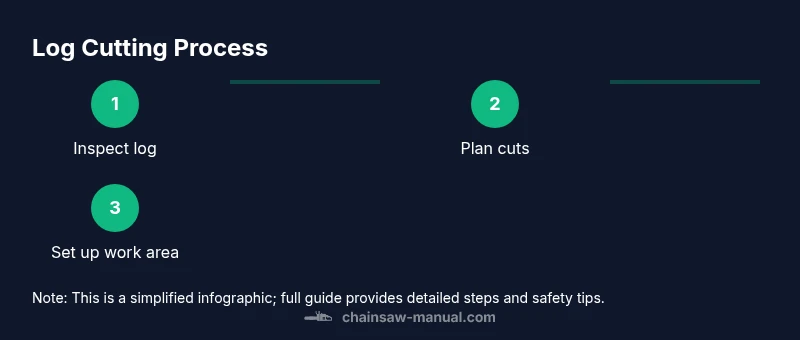
Log assessment is the first critical step. Look for straight grain, knots, rot, and cracks that could affect stability. Measure diameter to choose the starting cut and decide whether to buck from the top or bottom based on gravity and log support. Moist wood behaves differently from dry wood, so anticipate binding or pinching and plan relief cuts accordingly. Consider log placement on sawhorses or blocks to reduce vibration and keep the cut line visible. When you map out the sequence of cuts, you reduce mistakes and keep your escape path clear. Planning is not a single moment; it’s a small ongoing process as the log becomes lighter with each cut. A few minutes of careful assessment will save you time and frustration later.
PPE and equipment setup for safe cutting
Precise PPE makes the work tractable and reduces the likelihood of injury. Always wear a helmet with a face shield, hearing protection, cut-resistant gloves, and chainsaw chaps. Choose boots with good grip and ankle support to prevent slips when the log shifts. Equip the chainsaw with a sharp chain, correct tension, and a full fuel mix if you’re using a two-stroke engine. Keep bar oil topped up to reduce heat and wear on the chain. The setup also includes a stable work surface (log supports or sawhorses) and a clear area around you. A pre-cut safety checklist helps ensure you don’t miss any essential PPE or adjustments.
Cutting strategies and safe technique for bucking logs
When bucking, maintain a firm, balanced stance with feet shoulder-width apart. Position yourself so you can push the saw forward with controlled, continuous motion while keeping elbows bent and hands high for control. Use relief cuts to prevent pinching and pinning; start with a cut from the top surface and work downward. Cut in straight, level passes while watching the kerf and log movement closely. If the log binds, pause, reassess, and use a wedge to separate the halves. Never cut above shoulder height and always create a safe retreat path. Finally, complete each buck with a clean finish pass to minimize residue and kickback risk.
Cleaning up and maintenance after cutting
After finishing the bucking, power down the saw, release the chain tension, and inspect for damage. Wipe down the bar and chain to remove sap and debris, then relubricate with fresh bar oil. Store the chainsaw in a dry, secured location away from children and pets. Check fuel and oil levels, and perform a quick sharpness test on the chain. Cleaning up also means restoring your work area and disposing of waste safely. By ending with a tidy site and a well-maintained tool, you reduce the chance of accidents on your next project.
Tools & Materials
- Chainsaw with sharp chain(Ensure chain is sharp, properly tensioned, and has a fresh bar-nose burnished edge.)
- Personal protective equipment (PPE)(Helmet with face shield, hearing protection, cut-resistant gloves, and chainsaw chaps.)
- Bar oil(Keep reservoir topped up to maintain bar and chain lubrication.)
- Two-stroke fuel mix(Use the recommended fuel-oil ratio for your saw’s engine.)
- Sawhorses or log supports(Elevate logs to reduce vibration and improve cut visibility.)
- Wedges(Place as needed to prevent pinching and aid log separation.)
- Log securing rope or straps(Helpful for stabilizing logs on uneven terrain.)
- Sharpener/file kit(Carry a steel file and guide for on-site chain touch-ups.)
- First aid kit(Have basic supplies on hand and know emergency procedures.)
Steps
Estimated time: 40-60 minutes
- 1
Assess the log and plan cuts
Inspect the log for straight grain, knots, rot, and any cracks. Assess diameter and determine the starting surface. Visualize each cut and decide the sequence to minimize binding.
Tip: Identify escape routes before starting; plan cuts to keep your body out of the line of retreat. - 2
Prepare workspace and PPE
Put on full PPE and clear a wide area. Set up sawhorses or supports to lift the log off the ground. Check weather and footing to prevent slips.
Tip: Do a quick PPE check: shield closed, ears protected, and gloves grippy. - 3
Check chainsaw condition and fuel
Confirm chain tension is correct and the chain is sharp. Refill fuel and oil, and wipe sap from the bar. Ensure safety features are functioning.
Tip: A sharp chain cuts smoothly and reduces kickback risk. - 4
Position yourself and secure the log
Stand with feet shoulder-width apart, knees slightly bent. Position the log so the cut line is visible and stable on supports. Keep hands away from the bar’s bite zone.
Tip: Maintain a stable stance with your hips aligned to the cut line. - 5
Make relief cuts to prevent pinching
Make a shallow relief cut on the side that will bear the load. The relief cut helps prevent the log from pinching the chain and enables smoother progression.
Tip: Relief cuts prevent kickback and reduce log movement during bucking. - 6
Bucking the log with controlled passes
Begin with level, deliberate passes toward the log, using wedges as needed to separate sections. Maintain steady feed, stop if the log binds, and reassess.
Tip: Never twist the saw; keep the blade moving smoothly and maintain equal pressure. - 7
Finish and retreat safely
Complete the cut and pull the saw away along your escape path. Stop, switch off, and wrap the chain before moving to the next cut or log.
Tip: Always have a clear exit and avoid turning your back on a moving log. - 8
Cleanup and maintenance
Power down the saw, remove fuel, and wipe down the bar and chain. Check sharpness and adjust tension if needed for the next use.
Tip: Store tools dry and organized to speed up the next project.
FAQ
What PPE is required when chainsawing logs?
Essential PPE includes a helmet with face shield, hearing protection, cut-resistant gloves, chainsaw chaps, and sturdy boots. These items protect against impacts, noise, and contact with the chain.
Wear helmet with face shield, hearing protection, gloves, chaps, and sturdy boots for safety.
How do I check chain tension and sharpness?
Check tension by lifting the chain from the guide bar; it should snap back without sagging. A sharp chain should bite smoothly with minimal effort and show any dull spots near the teeth.
Make sure the chain is snug but able to move freely; sharpen if teeth dull or if cutting requires extra force.
Can I chainsaw wet wood safely?
Wet wood changes cutting dynamics and increases the risk of glancing blows and kickback. If possible, wait for wood to dry or reduce height and use extra caution if you must cut damp logs.
Wet wood is riskier to cut; take precautions or postpone if possible.
What is the best way to prevent kickback?
Maintain a sharp chain, avoid cutting with the tip of the bar, and use a firm stance. Keeping the saw flat and controlling the entry angle reduces kickback potential.
Stay away from the tip; keep a solid stance and a smooth cut.
How should I transport a cut log safely?
Split large logs into smaller sections before moving, and use proper lifting techniques. Secure the load with straps if transporting on a vehicle, and keep a lookout for bystanders.
Break down large pieces and secure them when moving.
How often should I sharpen the chain?
Sharpen the chain whenever you notice increased effort or dullness during cutting. In frequent use, inspect and touch up weekly or after heavy cutting sessions.
Sharpen when you notice reduced cutting performance or more effort is required.
Watch Video
The Essentials
- Plan the cut before starting
- Wear PPE and maintain a stable stance
- Keep chainsaw sharp and tension correct
- Ensure a clear escape path and safe work area