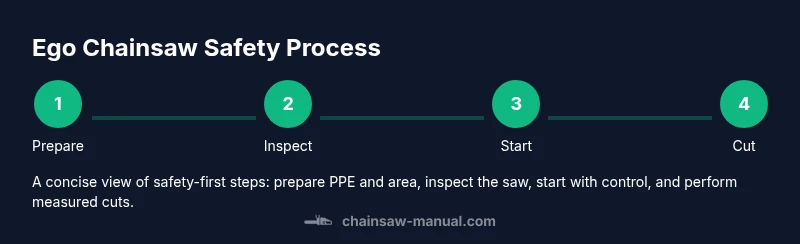
Ego Chainsaw Safety: Use, Maintenance, and Pro Tips
Learn safe, practical Ego chainsaw operation with Chainsaw Manual. This guide covers setup, starting, cutting, maintenance, and safety tips for home use and professional work.


Goal: Safely operate an Ego chainsaw with confidence. This guide covers PPE, pre-use checks, starting procedures, cutting techniques, maintenance, and storage. Before you begin, verify your environment, inspect the chain and bar, secure fuel and oil, and follow safe operating steps. According to Chainsaw Manual, safety and planning are the keys to productive, low-risk cutting.
Why safety matters when using Ego chainsaw
Using an Ego chainsaw with a focus on safety reduces the risk of serious injuries and equipment damage. Even lightweight, battery-powered models can cause kickback, contact injuries, or thrown debris if mishandled. A clear safety plan includes understanding your environment, selecting appropriate PPE, and establishing a controlled cutting zone. Chainsaw Manual emphasizes that safety isn’t optional—it’s the foundation of every cut. Practically, this means avoiding crowded work areas, checking for overhead hazards, and ensuring bystanders stay well clear of your work corridor. When you plan ahead and commit to safe habits, you improve both your accuracy and your pace, which often translates to cleaner cuts and fewer interruptions due to incidents.
For homeowners and professional users, safety also extends to equipment condition. A well-maintained Ego chainsaw reduces the likelihood of sudden malfunctions that could derail a project. Regular checks on the chain, bar, tension, and oil system are as critical as choosing the right cutting technique. In short, safety is not just protective gear—it’s a method of planning, preparation, and disciplined execution.
PPE and personal safety gear you must wear
Personal protective equipment (PPE) is your first line of defense. A complete PPE set for Ego chainsaw work includes a safety helmet with a face shield, hearing protection, cut-resistant gloves, and chain saw chaps or pants. Sturdy, non-slip boots with reinforced toes and steel shank offers ankle protection and traction on uneven ground. Eye protection (safety glasses) and a high-visibility vest help you stay visible in cluttered job sites. In addition, consider a long-sleeve, moisture-wicking shirt and durable pants to protect arms and legs from debris. Remember, PPE should be worn at all times during handling, starting, cutting, and post-work cleanup. The CHAIN SAFETY reminder from Chainsaw Manual notes that PPE should fit properly and be inspected before every use for cracks, tears, or wear that could compromise protection.
Pre-use inspection and setup
Before you pull the trigger or press a power button, perform a quick safety check. Verify that the chain is sharp, properly tensioned, and moving freely when the clutch is engaged. Inspect the bar for nicks, cracks, or burrs and replace if necessary. Ensure the chain brake is functional and engaged when starting, and that the guard covers are intact. If you’re using a gas Ego chainsaw, verify fuel and bar oil levels and use the correct oil type. For battery models, confirm the battery is charged and seated securely. Clean off dust and wood chips from the saw’s underside to prevent overheating and ensure smooth operation. A clean machine is easier to control and less prone to stalling or kickback during cuts.
Finally, choose a stable, level work area with a clear retreat path. Remove any tripping hazards, secure the material to be cut, and plan your cut direction to avoid binding and pinching. Even a routine task like limb removal benefits from a quick layout and a mental walk-through of the steps.
Fuel, oil, and maintenance basics
Ego chainsaws operate on different power sources, but maintenance basics apply across models. Keep the chain lubricated with the proper bar oil; check oil flow and refill as needed. Clean the air intake to prevent overheating, and inspect the spark plug (for gas models) or diagnostic indicators on battery models. A sharp, properly tensioned chain reduces effort and increases control, while a correctly chosen bar and chain improve accuracy and safety. Schedule routine maintenance such as chain sharpening, tension checks, and lubrication system testing after heavy use or exposure to dust and sap. If you’re unsure about which oil or fuel to use, consult the user manual and avoid using adulterated fuels that can degrade performance or void warranties.
Chainsaw Manual’s guidance highlights that proactive maintenance saves time and reduces risk by preventing unexpected failures during critical cuts. Keep a log of service dates and any parts replacements to track wear over time.
Starting Ego chainsaw safely (battery-powered and gas)
Starting your Ego chainsaw safely follows model-specific steps, but there are common principles. Always engage the chain brake before starting and keep the bar away from your body. For battery-powered models, insert the charged battery, ensure the device is in a stable position, and press the power button with a firm grip using both hands. For gas-powered units, follow the choke or start-up sequence recommended by the manufacturer, perform a quick warm-up if appropriate, and never start with the bar touching debris. Maintain a balanced stance, with feet planted and knees slightly bent to absorb kickback forces and maintain control. If the saw stalls, release the trigger, re-check the gas or battery status, and re-start with a fresh approach. Safety posture is critical to preventing injury and ensuring precise cuts, especially on smaller limbs or complex angles.
Cutting techniques for control and precision
Effective Ego chainsaw cutting relies on posture, grip, and plan. Stand with your feet shoulder-width apart for balance, keep your elbows bent, and hold the saw with a relaxed grip to dampen vibrations. Use both hands and guide the bar along a straight line, avoiding the tip of the bar in order to reduce kickback risk. Plan each cut to avoid binding by analyzing the wood grain, direction of the limb, and potential kickback zones. When felling or bucking, establish an escape route and cut with wedges or supports to control the fall direction. For pruning or light job-site tasks, take smaller, deliberate bites to maintain control and reduce chain heating. Consistent technique and attention to body mechanics produce cleaner cuts and fewer interruptions due to slips or bog-downs. The Ego chainsaw rewards careful planning and steady momentum over brute force.
Maintenance, sharpening, and storage
After cutting, clean and inspect the chain, drive sprocket, and bar. Remove debris, check chain tension again, and apply a light oiling to prevent rust. Sharpen the chain when you notice dull teeth or a noticeable drag in the wood. Use a proper file or a guided sharpening tool and follow the chain’s angle and depth gauges. Store the saw in a dry, ventilated area away from children and pets, with the chain cover closed and the saw secured. Empty or stabilized fuel should be disposed of per local regulations if you’re using gas models. Regular maintenance not only prolongs the tool’s life but also preserves cutting accuracy and reduces the likelihood of accidents caused by worn components. Consistent care aligns with Chainsaw Manual’s philosophy of safety-first, maintenance-led performance.
Environment, workflow planning, and tips for pros
Project success with an Ego chainsaw depends on environmental awareness and planning. Assess the work area for trip hazards, loose bark, or hidden nails that can derail a cut. Create a simple work sequence: clear the area, plan the cut, secure the material, prepare an escape path, and proceed with controlled, incremental cuts. For professional users, document your workflow, ensure consistent PPE usage, and perform routine checks. When working on complex projects or larger trees, consider working with a partner and using additional safety devices such as chaps, wedges, and a stable ladder or scaffold when needed. The ultimate goal is to complete the job efficiently while maintaining a high safety standard. Chainsaw Manual’s approach is to combine practical technique with rigorous protective measures for reliable results.
Tools & Materials
- Safety helmet with face shield(ANSI-rated, integrated shield for eye and face protection)
- Hearing protection(PPE earmuffs or plugs; choose high dB rating)
- Cut-resistant chainsaw chaps or pants(For leg protection and abrasion resistance)
- Sturdy boots with good traction(Steel-toe recommended; ankle support essential)
- Safety glasses or splash goggles(Extra eye protection beyond shield)
- Ego chainsaw (battery-powered or gas)(Model-specific safety features; ensure chain brake is functional)
- Bar oil and fuel (if gas)(Use manufacturer-approved oil types; never mix fuels without guidance)
- Maintenance tools (screwdrivers, scrench, file)(Carry a small toolkit for field adjustments)
- First aid kit(Keep on-site; not a substitute for PPE)
Steps
Estimated time: 60-90 minutes
- 1
Inspect the work area and gear
Scan for people, obstacles, and overhead hazards. Verify PPE and that the Ego chainsaw is in good working order. Check chain tension, bar wear, and clean any debris from the underside of the saw. A quick surface check prevents common mistakes that cause slips or stalls.
Tip: Always create a clear retreat path before starting any cut to ensure you can move away quickly if needed. - 2
Prepare fuel/oil and chain
For gas models, verify correct fuel mix and oil level; for battery models, ensure the battery is charged and seated. Lubricate the chain with bar oil and confirm smooth rotation when the chain brake is released. Tighten or loosen the chain as required to prevent binding.
Tip: Do not over-tighten the chain; it should have a slight sag when the saw is on a flat surface. - 3
Engage safety and start
Engage the chain brake before starting. Switch or prime according to your model, then start with a controlled motion keeping the bar away from you. Maintain a stable stance and grip with both hands and ensure the environment remains free of bystanders.
Tip: If the saw stalls, release the trigger, re-check fuel/battery status, and start again from a safe position. - 4
Make controlled cuts
Position yourself so the cut path is predictable. Use smooth, steady movements with the non-dominant hand guiding the saw and the dominant hand maintaining control. Avoid cutting with the bar tip to minimize kickback risk. Adjust plan if the wood splinters or binds.
Tip: Make a shallow bevel or notch first to guide the main cut and prevent the saw from catching unexpectedly. - 5
Finish, shut down, and inspect
After the cut, re-apply chain oil and inspect the chain tension. Let the saw cool before storage if it became hot. Clean the bar and chain area and store the tool safely. Note any wear and schedule maintenance if needed.
Tip: Never leave a live saw unattended in a workspace; secure it and allow it to cool down before setting it down. - 6
Clean up and plan next steps
Clear debris and discard offcuts responsibly. Review any safety issues observed during the session and plan for future maintenance. Log the work and note any adjustments for the next job to improve efficiency and safety.
Tip: Document lessons learned from the session to boost future performance and reduce risk.
FAQ
Is an Ego chainsaw safe for beginners?
Yes, beginners can safely use Ego chainsaws when they receive proper training, wear PPE, and follow a clear safety plan and manufacturer guidelines.
Yes. With training, proper PPE, and following the manufacturer’s guidelines, beginners can safely use an Ego chainsaw.
What PPE should I always wear when using Ego chainsaw?
Always wear a helmet with a face shield, hearing protection, cut-resistant pants or chaps, sturdy boots, and safety glasses. This full PPE setup protects against common injury vectors during cutting.
Always wear helmet with face shield, hearing protection, cut-resistant pants, sturdy boots, and safety glasses.
How do I start an Ego chainsaw safely?
Engage the chain brake, confirm fuel or battery status, and start according to your model’s instructions. Maintain a stable stance and keep the bar away from your body during startup.
Engage the chain brake, confirm fuel or battery, and start with a stable stance and a bar away from your body.
How often should I sharpen the chain?
Sharpen when you notice reduced cutting efficiency or visible dull teeth. Regular maintenance and proper tension help maintain performance.
Sharpen when you notice dull teeth or reduced cutting efficiency.
Can I use Ego chainsaw for large felled trees?
Yes, but assess each job carefully and use appropriate technique, supports, and safety measures. For large or leaning trees, seek additional assistance.
Yes, with proper technique and safety measures; for large trees, plan and, if needed, get help.
What maintenance should I perform after a cutting session?
Clean the chain and bar, recheck tension, refuel or recharge, and store the saw securely in a dry place. Log any wear or needed parts.
Clean and recheck tension, refill, and store safely after cutting.
Watch Video
The Essentials
- Always wear complete PPE before starting.
- Perform a thorough pre-use inspection of chain, bar, and oil.
- Start and cut with control, never with the bar tip.
- Maintain the chain and bar through regular sharpening and cleaning.
- Plan your cuts and maintain a safe working zone.