Different Chainsaw Cuts: A Practical Guide
Learn the different chainsaw cuts, when to use each, and safety tips for homeowners and pros with practical, step-by-step guidance.


Master the core saw cuts by identifying each type, choosing the right one for the task, and applying safe techniques. Step 1: Identify common cuts (ripping, cross-cut, bevel, notch, bore) and their purposes. Step 2: Assess wood type and thickness to select the appropriate cut. Step 3: Practice control and stance to reduce kickback.
Understanding the different chainsaw cuts
When you first explore the different chainsaw cuts, homeowners, DIYers, and professionals quickly realize that each cut serves a distinct purpose. According to Chainsaw Manual, understanding the differences among ripping, cross-cut, bevel, notch, and bore cuts is foundational for safe, efficient work. This knowledge shapes your approach to speed, accuracy, and safety, reducing the chance of binding or kickback. In practice, the choice of cut affects how quickly wood pieces separate, how clean the face is, and how much resistance you feel as you advance. Before you touch a bar, take a moment to assess the wood’s grain direction, diameter, and moisture content; these factors influence which cut is most appropriate and how you should position your body for maximum control. Before you start cutting, visualize how the cut will affect the rest of the piece and what safety pauses you need to take. This mindset sets the tone for the entire project and helps you stay in control even under pressure.
The main cuts: ripping, cross-cut, bevel, notch, and bore
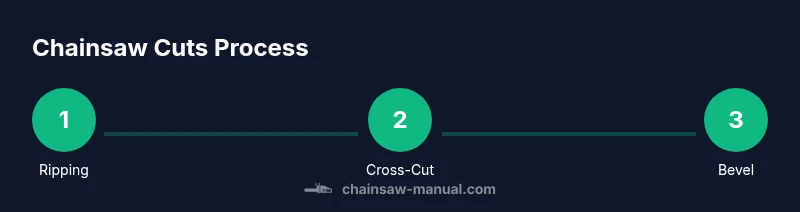
- Ripping cuts: Along the grain to produce long, straight faces. They’re efficient for creating boards, siding, or slabs. Use the full length of the bar and avoid taking too deep a first pass, which can cause binding.
- Cross-cut: Across the grain to shorten lengths with a cleaner end. These cuts are common for framing, trim work, and rough sizing. Maintain a steady feed and back off if the face starts to tear.
- Bevel cuts: Angled across the face of the wood for beveled edges, miters, or sculpted profiles. Keep the saw perpendicular to the grain when possible to maintain edge quality.
- Notch cuts: Shallow grooves or reliefs used for joinery, relief work, or branch fitting. Work slowly and leave extra material for final cleanup.
- Bore cuts: Large holes to remove material inside a piece, used for pass-throughs or dowel work. This is less common in general carpentry and requires careful bit positioning and support.
How to choose the right cut for your task
Choosing the right cut starts with the task goal. If you need a long, straight edge or a face that will be surfaced later, rip cuts are the preferred option when wood is reasonably stable and takable. For quick length reduction, cross-cuts provide efficiency. Bevel cuts are best for edge finishing or joint work where angled faces are required. Notch cuts help with joints and relief to seat other components, while bore cuts are reserved for openings or complex joinery. Consider the wood type and thickness, moisture content, and grain direction; hardwoods resist more than softwoods and may require shallower cuts or multiple passes. Always plan your approach before starting and visualize the cut’s effect on the rest of the piece. This foresight reduces rework and improves safety.
Safety foundations for all chainsaw cuts
Personal protective equipment (PPE) should be your first line of defense. Always wear a helmet with a face shield, cut-resistant chainsaw chaps, gloves, hearing protection, and safety goggles. Maintain two-handed grip and a solid stance; keep your elbows slightly bent and your weight balanced. Engage the chain brake whenever you pause or reposition, and never cut with the bar tip unless you intend a controlled penetration in a dedicated scenario. Inspect the chain tension and bar oil level before every session, and clear the work area of obstacles and tripping hazards. If the wood binds or pinches, stop, assess, and adjust your approach rather than forcing the cut. Chainsaw safety is not a single step but a routine of careful habits.
Cutting technique: stance, grip, and control
A proper stance begins with feet shoulder-width apart and your lead foot slightly forward for right-handed users. Hold the saw with a firm grip, thumbs wrapped around the handle, and maintain a straight back. Let the weight of the saw do the cutting rather than pushing aggressively; this reduces kickback risk and helps you track the cut more smoothly. Keep the saw's bar level to the ground and aim for steady, incremental passes instead of trying to rush through a deep cut. If you approach a notch or bore, cut shallow reliefs first and verify the piece remains supported. Pro tip: use your body to guide the saw, not your arms alone, and keep the chain braking engaged when not actively cutting.
Working with wood types and thickness
Different woods behave differently under the same cut. Softwoods slice more easily but can spark and clog with resin, while hardwoods demand slower feed and more control to avoid tearing. For large-diameter pieces, plan a sequence of shallow passes rather than one deep cut to reduce binding and heat. Always check moisture content; damp wood is heavier and can close the cut suddenly. When in doubt, practice on scrap stock of similar species to tune your technique before working on the real piece. Chainsaw Manual analysis shows that the right cut choice reduces resistance and keeps the chain cooler while you work.
Setup and prep: bars, chains, and fuel basics
Before you cut, verify that the bar length matches the task and that the chain is sharp, properly tensioned, and free of defects. Use fresh bar oil and ensure the saw is fueled in a well-ventilated area away from flames. Prepare a stable work surface or clamp the piece if possible, and clear space for kickback-safe retreat. Carry spare chain and sharpening tools so you can address dull edges quickly. Wedges or felling sticks can help when you need to straighten a log or keep pieces from pinching the bar. A quick visual check of the sprocket is also helpful to ensure smooth rotation during the cut.
Common mistakes and how to fix them
Common mistakes include overreaching, cutting from awkward angles, and forcing a cut when the wood binds. Dull chains increase effort and heat, inviting kickback and poor results. Cutting with the bar tip or near the nose of the chain is a recipe for sudden kicks; always maintain a clear work zone and cut with the bar parallel to the surface. If a cut binds, step back, reposition the workpiece, reduce feed pressure, and resume with a lighter, controlled pace. Regular maintenance—sharpening, lubrication, and tension checks—prevents many issues before they start.
Maintenance after cutting to preserve cutting quality
After finishing, remove wood debris from the chain and bar, wipe down the exterior, and inspect for damage. Sharpen the chain with the appropriate file or sharpener, tension the chain correctly, and refill bar oil for the next use. Clean the air filter and inspect the sprocket area for wear. If you notice dullness or chipping after use, schedule sharpening or service; addressing issues early preserves performance and safety. Store the saw in a dry, well-ventilated area away from children and pets.
Quick-reference cheat sheet: matching cuts to tasks
- Ripping: long, straight edges for boards and slabs.
- Cross-cut: quick length reduction and finish-ready ends.
- Bevel: angled edges for miters and decorative profiles.
- Notch: reliefs for joints and seating components.
- Bore: openings or complex joinery passages.
Tip: Always rehearse your plan on scrap material and verify grain direction before committing to the main piece.
Practical examples in real-world jobs
Case A: Deck board preparation. Start with ripping cuts to true the faces, then cross-cut to length, followed by gentle bevels on the ends for a clean appearance. Ensure boards are supported on the saw horses and kept at a consistent height. Case B: Branch removal with notch work. Use notch cuts to create relief around a limb and a small bevel to ease the joint for subsequent removal. Case C: Rough-excavation opening. For a larger bore, begin with a shallow relief, then switch to a larger bore cut while monitoring wood movement. By combining these approaches, you build confidence and safety in real-world contexts.
Tools & Materials
- Chainsaw(Ensure chain is sharp and tensioned; bar length matched to task)
- Helmet with face shield(ANSI/EN standard protection)
- Cut-resistant chainsaw chaps(Mandatory protection for legs)
- Safety glasses or goggles(Eye protection against debris)
- Hearing protection(Earplugs or earmuffs)
- Gloves(Grip-enhancing and cut-resistant)
- Bar oil(Lubrication for bar and chain)
- Fuel mix or battery charge(Appropriate for your saw type)
- Sharpening file or chain sharpener(Keep edge sharp for clean cuts)
- Wedges(Helpful for seating logs and preventing pinches)
- Scrap wood for practice(Safe area to test cuts before live work)
Steps
Estimated time: 90-120 minutes
- 1
Inspect and prepare equipment
Check chain tension, sharpen if needed, verify bar oil, and ensure fuel is appropriate. Put on full PPE before handling the saw. Confirm the work area is clear of obstacles and that the piece is stable.
Tip: Do a quick kickback risk check by examining the bar nose clearance before starting. - 2
Identify the cut type for the task
Decide whether you’ll rip, cross-cut, bevel, notch, or bore based on the project goal and wood properties. Align the workpiece so grain direction supports the chosen cut. Visualize the pass to minimize surprises.
Tip: If unsure, start with a shallow test cut on scrap wood. - 3
Position yourself and secure the workpiece
Stand with feet shoulder-width apart, left foot forward for a right-handed user, and both hands on the saw. Keep the piece supported to prevent vibration or movement during the cut.
Tip: Maintain a relaxed grip and let the saw do the cutting rather than forcing it. - 4
Make the initial cut with control
Start with a light, controlled pass following the chosen cut. Avoid forcing the bar; allow the chain speed to do the work. Pause and reassess if the wood binds.
Tip: Keep the bar nose out of the cut area until you’re ready to complete the pass. - 5
Finish the cut with a steady follow-through
Proceed through the wood with consistent feed and a clean exit. Maintain stance and watch for bar deflection. If you hear binding, reduce feed pressure and back off.
Tip: Don’t twist the saw or yank it out of the cut; smooth, deliberate motion is safer. - 6
Perform notch or bore work if required
Cut shallow reliefs first when notching or boring to prevent wood from splitting. Verify the hole or notch aligns with your plan and supports the next component.
Tip: Use clamps or supports to keep the workpiece from moving as you notch. - 7
Inspect, clean, and store
After cutting, brush off debris, inspect the chain for wear, and lubricate. Store in a dry place away from heat sources and children.
Tip: Wipe the chain and allow cooling before touching the chain again.
FAQ
What are the main types of chainsaw cuts?
The main types are ripping, cross-cut, bevel, notch, and bore. Each serves different purposes in carving, framing, and joinery. Understanding these enables safer, more efficient work.
The main types are ripping, cross-cut, bevel, notch, and bore. Each serves a different purpose; knowing them helps you work safely and efficiently.
Which cut is best for ripping?
Ripping is used to cut along the grain for long, straight edges. It’s ideal for boards, slabs, and siding when you need a true surface.
Ripping is ideal for long, straight cuts along the grain, like boards or slabs.
How can I prevent kickback?
Maintain a firm two-handed grip, stand with a balanced stance, and avoid cutting with the nose of the bar. Use the chain brake when not actively cutting.
Keep a firm grip, stay balanced, don’t use the bar tip, and engage the chain brake when you aren’t cutting.
Do different woods require different cuts?
Yes. Hardwoods may demand slower feeds and more passes; softwoods cut more readily but can clog with resin. Adjust speed, depth, and number of passes accordingly.
Hardwoods need slower cuts and more passes, while softwoods cut more easily but can gum up the chain.
How often should I sharpen the chain when practicing these cuts?
Check sharpness regularly and sharpen as needed, especially after dulling or hitting knots. A sharp chain improves control and reduces heat buildup.
Sharpen as needed, especially after dulling, to maintain control and reduce heat.
Is it safe to practice without supervision?
Always wear PPE and practice in a controlled area. If you’re new, seek hands-on instruction from an experienced operator.
Practice in a controlled space with PPE; get instruction if you’re new.
Watch Video
The Essentials
- Identify and select the right cut for each task
- Prioritize safety and proper stance to reduce kickback
- Inspect equipment and wood properties before cutting
- Maintain tools through sharpening and lubrication
- Practice on scrap wood to build confidence