Big Chainsaw Small Bar: Safe Operating Guide
Learn why pairing a big chainsaw with a small bar can improve control for pruning, limbing, and light felling. This Chainsaw Manual guide covers setup, technique, safety gear, maintenance, and common mistakes.


Working with a big chainsaw small bar combination can improve precision in tight spaces. This guide shows you why this setup helps with pruning and limbing, how to select equipment safely, and step-by-step techniques to avoid kickback and injuries. According to Chainsaw Manual, proper safety gear and disciplined technique are non-negotiable for any project.
Why big chainsaw small bar matters in practice
A high-powered chainsaw paired with a short bar unlocks maneuverability in cramped spaces, making pruning, limbing, and light felling more controllable. The shorter bar reduces the risk of binding and helps you guide the chain along small branches without overreaching. This setup is especially valuable when you must work near structures, vehicles, or overhead limbs where space is limited. Chainsaw Manual analysis shows that operators who match bar length to the job tend to cut more steadily and with fewer abrupt movements. The goal is to maintain a steady feed, keep ample control of the tip zone, and minimize the chances of kickback. Remember, big power does not justify unsafe handling—technique and PPE remain the foundation of safe, effective work.
Safety-first essentials: gear, training, and safe habits
Personal protective equipment (PPE) is non-negotiable when using any chainsaw, but it becomes even more critical when the bar is short and the saw’s power is high. A compliant helmet with a face shield, hearing protection, cut-resistant chaps, and non-slip gloves reduce injury risk in the event of a slip or rebound. Training matters too: hands-on practice under supervision helps you translate theory into muscle memory. The Chainsaw Manual team found that PPE and training together dramatically improve on-the-job confidence and reduce exposure to common hazards like kickback, blade pinching, and sudden bar movement. Maintain a clear work zone, secure bystanders, and plan escape routes before you start. A quick safety pre-check—fuel level, chain tension, bar oil, and chain brake function—sets the stage for safer cuts.
Setup and pre-cut checks: preparing the saw, bar, and work area
Before any cut, confirm the bar is the right length for the task and that the chain is sharp and properly tensioned. Ensure the chain brake is engaged when moving the saw and during setup, then release it only when you are ready to cut. Check for loose fasteners, oiling points, and fuel mix compatibility with your saw’s manual. Clear the work area of trip hazards, secure the log or branch, and establish a stable stance with your feet well planted. A short bar requires precise handling to avoid pinching and to keep the tip from contacting the wood unexpectedly. The objective is a clean, controlled entry into the cut with minimal force.
Cutting technique with a big chainsaw small bar: stance, grip, and motion
Adopt a balanced stance with feet shoulder-width apart and knees slightly bent. Grip the saw firmly with both hands, left hand on the front handle and right hand on the rear handle, maintaining two-point contact at all times. Use the chain brake until you’re ready to begin the cut, then apply smooth pressure without forcing the saw. Keep the bar tip slightly below the cut line to prevent kickback potential and maintain control as you guide the chain. Work with deliberate, short movements rather than long, sweeping motions, especially when the bark is tight or the log is irregular. With a small bar, the pivot point shifts; rely on slow, incremental cuts rather than attempting to remove large chunks in a single pass. The goal is a precise, controlled cut that minimizes vibration and maximizes safety.
Tasks best suited for this configuration: limbing, pruning, and light felling
The big chainsaw small bar setup excels in limbing and pruning where branches are crowded and angles are awkward. It’s also suitable for light felling of smaller trees or clearing brush where a longer bar would be cumbersome. For larger diameter trees or heavy-duty felling, consider switching to a longer bar to achieve deeper cuts with fewer passes. In all cases, avoid cutting from unstable positions or overreaching beyond your balance point. Plan cut sequences to minimize repositioning and maximize control, and pause if the bar begins to bind or kick unexpectedly.
Maintenance and post-work care: cleaning, sharpening, and storage
After finishing, clean the bar groove and chain, wipe down the saw body, and inspect for wear or damage. Sharpen the chain according to the manufacturer’s recommendations and adjust tension after cooling. Refill bar oil and correct any leaks, then drain or stabilize fuel according to safe storage practices. Proper lubrication reduces friction and heat buildup, extending chain life and maintaining consistent performance. Store the saw in a dry, ventilated area away from direct sunlight and out of reach of children. Regular maintenance—performed promptly after use—preserves safety and reliability for the next job.
Common mistakes and how to avoid them
Common errors include using excessive force, cutting with the tip of the bar, or neglecting PPE and chain maintenance. Short bars can give a false sense of control if you lean too far and place your body in the line of the chain. Never silence the safety features or bypass the chain brake for any reason; keep your hands dry and your grip consistent. If the log shifts during a cut, stop, reassess, and resecure the workpiece before continuing. Finally, always inspect fuel and lubricant sources to avoid running the saw with suboptimal lubrication. Safety first, consistency second, and results will follow.
Quick-start checklist for beginners: fast-start guide
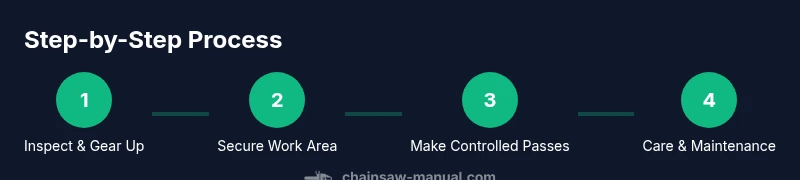
- Wear full PPE and verify the chain brake is functional
- Inspect the chain tension, bar oil, and fuel mix
- Secure the workpiece and assume a stable stance
- Engage the chain brake, start the saw, and warm up gently
- Make controlled, shallow passes and monitor kickback risk
Bonus: quick-reference visuals and tips
For visual learners, a quick reference helps cement best practices: keep your shoulders aligned with the cut, use steady pressure, and return the saw to a safe resting position after each pass. If you feel fatigue creeping in, stop and rest to avoid sloppy cuts that can lead to injury. Consistency is safety.
Final note on approach and philosophy
This guide emphasizes safety, precision, and patience when using a big chainsaw small bar combination. By prioritizing proper PPE, disciplined technique, and smart task selection, you’ll improve both safety and cutting quality. The emphasis on small bar handling doesn’t replace the need for skill or experience; it complements them by reducing tool mass and enhancing control in constrained situations.
Tools & Materials
- Hard-wearing PPE kit (helmet with face shield, hearing protection, cut-resistant chaps, safety gloves)(ANSI-rated helmet, adequate hearing protection, and cut-resistant legwear are essential)
- Sturdy boots with good grip(Non-slip, steel-toed preferred for impact protection)
- Chainsaw oil and bar oil(Keep oil reservoir topped up for proper lubrication during use)
- Extra chain and spare bar (optional)(Helpful for rapid changes in diverse cutting tasks)
- Two-stroke fuel mix appropriate for chainsaw(Follow manufacturer ratio and use fresh fuel)
- Wrench or scrench for bar tension and chain adjustment(Carry a small tool kit for field adjustments)
- Sharpener or file kit(Keep chain sharp to prevent stalling and kickback)
Steps
Estimated time: Total time: 1 hour 15 minutes
- 1
Inspect and gear up
Put on full PPE, inspect the chain brake, fuel, oil levels, and chain tension. Verify the bar and chain are free of damage. This initial check reduces the risk of unexpected failures mid-cut.
Tip: Do a quick test pull with the chain brake engaged to confirm it holds before you start cutting. - 2
Secure your stance and work area
Position feet shoulder-width apart, knees slightly bent, and keep your body to the side of the cut line. Secure the log or branch and clear bystanders. A stable base minimizes tweaking the saw and reduces fatigue.
Tip: Always plan an escape path in case the branch shifts during cutting. - 3
Check bar, chain tension, and lubrication
Ensure the bar is the correct length for the task and that the chain is tensioned correctly. Confirm there is adequate bar oil and that the fuel mix is correct for the saw. A properly tuned setup prevents overheating and binding.
Tip: Tension should allow about 1/8 inch (roughly the width of a dime) of free play at the midpoint of the chain. - 4
Start safely and warm up
Disengage the chain brake, start the saw on a flat surface, and let the chain reach operating speed before you attempt a cut. Keep the saw close to your body and avoid overreaching.
Tip: Begin with small, shallow passes to warm up the chain and increase confidence. - 5
Make controlled cuts with the short bar
Guide the bar gently, applying even pressure along the cut line. Keep the tip away from the wood to reduce kickback risk. Move the saw in short, deliberate passes and avoid forcing the chain through the wood.
Tip: If the cut binds, stop, reposition, and re-secure the piece rather than forcing through. - 6
Withdraw and assess the cut
After each pass, retract the saw with the chain clear of the work, switch to a safe position, and inspect the cut quality. Check for rough spots or binding and adjust technique as needed.
Tip: Take a moment to rest wrists and shoulders between passes to maintain control. - 7
Clean up and maintain after use
Cool the saw, wipe down surfaces, and perform post-cut sharpening or tension adjustment as needed. Store the tool in a dry, ventilated location away from children and heat sources.
Tip: Record maintenance tasks to ensure a consistent service interval and safer future use.
FAQ
Can I use a big chainsaw with a small bar for all cutting tasks?
No. This setup is best for pruning, limbing, and light felling in tight spaces. For large diameter trees or heavy-duty felling, a longer bar may be required.
No. It's great for pruning and limbing in tight spaces, but for large trees you’ll typically need a longer bar.
What is kickback and how can I reduce it?
Kickback happens when the tip or crown of the bar touches wood unexpectedly, causing the saw to jerk. Reduce it by using a proper stance, keeping the bar away from the tip, maintaining sharp chain, and using a bar with anti-kickback features.
Kickback is a sudden event where the saw jumps. Maintain stance, avoid the tip, keep the chain sharp, and use anti-kickback bars.
What PPE should I wear when using this setup?
Wear a certified helmet with face shield, hearing protection, cut-resistant chaps, gloves, and sturdy boots. These items protect against injury from kickback, debris, and accidental contact with the chain.
Always wear helmet with face shield, hearing protection, cut-resistant chaps, gloves, and sturdy boots.
How do I know when to replace a bar or chain?
Replace or sharpen the chain when it dulls or bites. Check the bar for curb wear, burrs, or uneven rails. If you notice poor cutting performance or unusual vibration, inspect and replace as needed.
Sharpen or replace the chain when dull; inspect the bar for wear and replace if rails are damaged.
Is fuel mix important for performance and safety?
Yes. Use the manufacturer’s recommended two-stroke fuel mix and avoid stale fuel. Improper fuel can cause overheating, poor lubrication, and liability issues.
Yes—use the right fuel mix and fresh fuel to prevent overheating and poor lubrication.
Can a short bar cause more fatigue or vibration?
A short bar can transfer more vibration to the user if the saw is not properly tuned or if grip and stance are poor. Use proper technique, keep the saw tuned, and take breaks to reduce fatigue.
Vibration can increase if you’re not using proper grip and stance; keep the saw tuned and take breaks.
What tasks are unsafe with this configuration?
Avoid heavy felling of large trees or cutting in wet, slippery conditions. Do not attempt deep cuts that exceed the bar’s reach. Seek professional guidance for complex tasks.
Don’t attempt heavy felling or deep cuts beyond the bar’s reach; seek guidance for complex jobs.
Watch Video
The Essentials
- Prioritize PPE and training before any cut.
- Match bar length to the task to balance control and cutting depth.
- Use steady, controlled passes—avoid forcing the cut.
- Perform regular maintenance after use to preserve safety and performance.
- Always plan your cuts and keep escape routes clear.