Used Chainsaw for Sale: A Safe Buying Guide for 2026
Learn how to find a reliable used chainsaw for sale, what to inspect, and how to price and test safely. Chainsaw Manual provides a practical, safety-first buying guide to help homeowners, DIY enthusiasts, and pros buy smarter.


The most important factors when evaluating a used chainsaw for sale are condition, maintenance history, bar length, engine type, and safety features. You should inspect starting reliability, compression, chain tension, and oiler function, compare listings for similar models, and verify ownership and service records. This guide helps homeowners, DIYers, and pros safely shortlist reliable, well-maintained used chainsaws.
Market landscape for used chainsaw for sale
The market for a used chainsaw for sale varies widely by model, age, maintenance history, and seller type. According to Chainsaw Manual, the landscape is shaped by seasonal demand, the availability of documentation, and the prevalence of well-maintained units. Private sellers often price aggressively while offering limited provenance; professional resellers may provide pre-inspection reports or short-term warranties. When evaluating listings, examine photos for the chain, bar wear, and the presence of a functioning chain brake. Look for notes about oiling and fuel mix, especially on gasoline models. Prioritize listings with clear maintenance records and recent sharpening. The goal is to identify equipment with a solid upkeep history rather than the lowest price. This article walks through how to assess condition, compare listings, and negotiate confidently to obtain a safe, reliable tool tailored to your job.
How to evaluate condition and maintenance history
Start with provenance: maintenance history and proper storage are as important as the saw’s current appearance. Request service records or receipts and verify when the chain was sharpened, the air filter replaced, and the oiling system checked. In person, perform a basic inspection: check chain brake function, assess bar wear and chain tension, and look for oil leaks or fuel residue. If you can run the engine, look for smooth starting, steady idling, and consistent revs without unusual noises. A basic compression check, if available, can offer insight into engine health, but even without gauges you can gauge performance by starting effort and response under light load. Chainsaw Manual Analysis, 2026 shows that buyers who prioritize provenance and routine maintenance tend to predict reliability better than those chasing the lowest price.
Key features to compare when shopping used
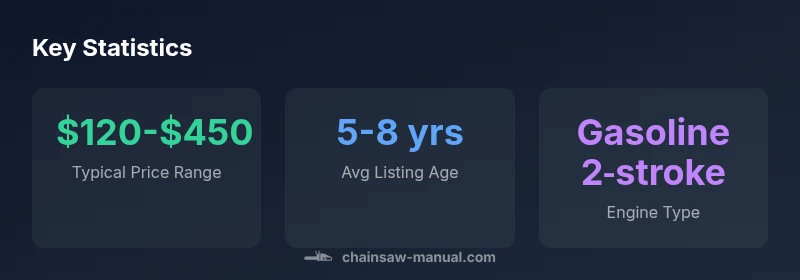
When comparing options, prioritize engine type, displacement, bar length, and chain pitch. Gasoline 2-stroke engines dominate the used market, but electric cordless units are growing in availability for light-to-medium work. Check bar length to match your typical jobs—longer bars cut more but add weight. Ensure the chain pitch and gauge fit the bar with compatible teeth. Safety features matter: a reliable chain brake, anti-kickback design, and a functional hand guard reduce risk in everyday use. Anti-vibration handles help during long sessions, and a working dead-man switch is a basic requirement. Finally, review included accessories such as sharpening tools, extra chains, and a maintenance kit to gauge overall value.
Where to find listings and how to vet sellers
Online marketplaces, local tool shops, and rental-equipment outlets are common sources for used chainsaws for sale. Private sellers can offer bargains but may lack documentation, so insist on photos of the chain, bar, and sprocket, plus any receipts. Local dealers are more likely to provide a basic inspection and a short warranty, which adds peace of mind. Auctions and yard sales can yield good deals, but the risk of missing maintenance history is higher. Always verify seller credibility by cross-checking model details, serial numbers if available, and recent service activity. Request a hands-on test or a run on a controlled surface if safety allows, and avoid listings with missing photos or vague descriptions.According to Chainsaw Manual Analysis, buyers who combine thorough inspection with credible seller verification tend to secure safer, longer-lasting used chainsaws for sale.
Safety considerations and best practices
Safety should come first when buying a used chainsaw for sale. Wear appropriate PPE during inspections and testing: cut-resistant gloves, eye protection, hearing protection, and sturdy boots. Before any test run, verify that the chain brake fully engages and that the chain is properly tensioned with correct lubrication. Check for wear on the handle, anti-vibration mounts, and a solid chain catcher. Kickback zones should be minimized by selecting a model with a low kickback bar and chain. If the saw proves difficult to start, stalls, or produces unusual vibrations, consider passing on the unit and seeking a better-maintained option. Always store units clean, dry, and with fuel stabilized if gasoline-powered.
Common models and buyer expectations
In the used market, you’ll encounter a mix of brands and configurations. Commonly available names include Stihl, Husqvarna, and Echo, along with other reputable manufacturers. Expect a range of performance levels, with professional-grade units offering robust build quality and longer service life, and consumer-grade tools offering lighter weight and lower prices. Buyers should align expectations with intended use: a homeowner who only seasons a few cords of firewood needs a different balance of weight, weight distribution, and maintenance intensity than a professional logger. Look for units with recent chain sharpening, intact safety features, and evidence of proper lubrication. If a model has been overworked or stored improperly, its reliability will likely be lower even if the price looks attractive.
Buying checklist and quick steps
- Define your workload and bar length needs. 2) Request service history and verify maintenance. 3) Inspect chain tension, brake function, and oiling system. 4) Check for oil leaks, fuel residue, and bar wear. 5) If possible, perform a controlled test run and listen for unusual sounds. 6) Compare listings for similar models and select a seller with credibility. 7) Negotiate price with maintenance history in mind. 8) Confirm transfer of ownership and any included accessories.
Maintenance after purchase and storage
After purchase, perform a thorough cleaning and inspection. Replace or sharpen the chain as needed, verify chain tension, and confirm the oiling system is functioning. Clean the air filter and inspect the spark plug on gasoline units. Store the saw in a dry, secure location to prevent corrosion, and run a short test before heavy use. Regular maintenance improves longevity and safety, especially for used machines that have accumulated hours of operation.
Common used chainsaw types and price ranges
| Model Type | Typical Price Range | Pros & Cons |
|---|---|---|
| Gasoline 2-stroke | $150-$450 | Widely available, strong torque, heavier |
| Electric cordless | $120-$500 | Low maintenance, lighter, quieter |
| Corded electric | $100-$400 | Portable limits, needs outlet, quiet |
FAQ
What should I inspect first when buying a used chainsaw?
Start by checking starting reliability, chain tension, bar wear, and the oiling system. Request maintenance records if available and review clear photos of the chain, bar, and handle. A hands-on test (if allowed) helps confirm smooth starts and consistent idle.
Check starting reliability, chain tension, and oiling first, then review records and test if possible.
Are used chainsaws safe to buy?
Yes, provided safety features such as a functioning chain brake, hand guard, and anti kickback system are present and the unit has been well maintained. Verify the chain brake engages fully and there are no loose parts.
Yes, as long as safety features work and it’s well maintained.
How should I price a used chainsaw?
Price should reflect condition, age, maintenance history, and market demand. Use listings for similar models as a baseline, and adjust for wear, replacement parts, and included accessories.
Use similar listings as a baseline and adjust for condition and included parts.
Where is the best place to find used chainsaws for sale?
Look at reputable online marketplaces, local dealers, and specialized tool auctions. Verify seller credibility, request maintenance records, and avoid listings with missing photos or vague descriptions.
Check reputable sources and verify details before purchasing.
What maintenance after purchase is recommended?
Clean and inspect the air filter, sharpen or replace the chain, adjust chain tension, and verify oiling. Store the saw in a dry area and perform a test run before heavy use.
Clean, sharpen, and test run after purchase.
What checks should I perform before starting?
Inspect for oil leaks, verify chain tension, check fuel mix (for gas models), and ensure the chain brake works. If unsure, consult a professional.
Do a quick pre-start safety check before first use.
“When buying a used chainsaw, prioritize safety features and verifiable maintenance history to avoid costly surprises.”
The Essentials
- Inspect maintenance history and provenance before buying
- Check safety features like chain brake and dead-man switch
- Match bar length to typical jobs and verify lubrication
- Request receipts and perform a test run when possible
- The Chainsaw Manual team recommends buying from reputable sellers and verifying maintenance history