How to Know What Chainsaw Chain to Buy
Learn how to determine the right chainsaw chain by matching bar size, pitch, gauge, and drive links. This guide covers safety, maintenance, and smart buying for homeowners and professionals.


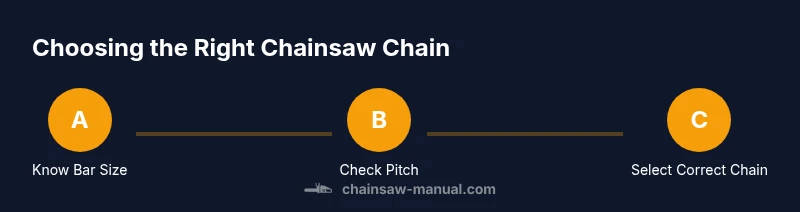
To know what chainsaw chain to buy, start by matching your bar size, pitch, gauge, and drive-link count to your saw model. Then choose a chain profile suited to your tasks—lumbering, pruning, or cleanup—and confirm compatibility with your bar and oiling system. Finally, review safety requirements and maintenance needs so you buy a chain you can safely use and maintain.
What to Know Before You Buy a Chainsaw Chain
If you're learning how to know what chainsaw chain to buy, you must start with your bar size and your saw model. The most critical numbers are the pitch, gauge, drive-link count, and bar length. Your bar stamping typically includes these values. Consider what tasks you perform most often: light pruning, yard cleanup, or heavy felling. Different tasks benefit from different chain profiles, coatings, and lubrication needs. Also check compatibility with your saw's oiling system and tensioning mechanism. Finally, check safety features such as anti-kickback and low-kickback options offered by some chains. By gathering the saw’s numbers and understanding your use case, you can reduce mistakes when purchasing and avoid costly returns. Always refer to the manufacturer's manual for the exact specifications of your model.
Core Chain Parameters: Pitch, Gauge, Drive Links, and Tooth Count
A chainsaw chain's core identifiers are pitch, gauge, drive links, and tooth count. Pitch is the distance between three rivets and determines compatibility with the sprocket and bar; common options include 0.325", 3/8", and 0.404" in Europe and North America. Gauge is the thickness of the drive link that sits in the bar groove, influencing chain strength and binding; choosing the correct gauge helps the chain ride smoothly and reduces derailment. Drive links number must align with your bar length, or the chain will not seat properly. Tooth count relates to how aggressively the chain cuts; deeper, fuller teeth remove wood faster but dull quicker. When shopping, compare the bar’s stamping with the chain’s pitch, gauge, and drive links. The goal is precise matching to ensure safe operation, proper tensioning, and optimal lubrication.
Matching Chain to Bar and Engine
To get reliable performance, you must match the chain to both the bar and the saw’s engine capacity. The bar length dictates the maximum chain length; select a chain with a drive-link count designed for that bar, ensuring it sits correctly in the groove. The chain’s pitch must match the sprocket’s pitch; mis-matched pitch leads to skipping, increased wear, and dangerous kickback. Also confirm that your saw’s lubrication system keeps the chain oiled; a dry chain wears quickly and can stall. If you have a longer bar than your current chain, avoid overloading the drive mechanism; instead, choose a chain that fits the bar and verify your chain will not protrude beyond the bar’s tip. This alignment ensures safe operation and predictable cutting performance.
Common Chain Profiles for Home and Pro Use
Homeowners often choose semi-chisel chains for smoother performance and better durability under dirt and debris; full-chisel chains cut fast but dull quickly in dirty wood. Low-profile chains are common on small saws and reduce kickback risk. Others choose standard chisel for easier sharpening and strong bite on hard wood. For occasional hedging and pruning, a light-duty chain with lower kickback features can provide safer operation. Your choice should balance cutting speed, durability, and safety, not just price. Remember that a chain’s profile interacts with bar width and gauge, so ensure compatibility before buying.
How to Determine Pitch, Gauge, and Drive Link Count from the Bar
Begin with the bar itself: inspect the stamp near the bar’s nose or cutouts; the markings often list pitch, gauge, and drive-link count. If stamping is worn, use a pitch gauge tool to measure the chain’s distance across three rivets; for gauge, measure drive-link thickness with a gauge tool that fits into the bar groove. Count the number of drive links on a full chain length to estimate compatibility with your bar length; total drive-link count plus marking on the bar indicates the right chain. Finally, verify the chain fits the saw’s drive sprocket and can be tensioned within the bar groove.
Practical Buying Guide: What to Look for in a Brand and Type
Look for reputable brands with clear specifications and readily available spare parts. Pay attention to the proper pitch and gauge; some chains are sold as low-kickback or safety chains—these offer more forgiving operation if you’re learning. Compare price against expected durability and manufacturer guidelines. Check coating and lubrication compatibility; some chains are optimized for synthetic lubricants or higher oil flow systems. If you work with dirty wood or seasoned lumber, you might prefer semi-chisel or low-kickback designs that stay sharp longer under harsher conditions. Finally, choose retailers that offer a straightforward return policy and accurate compatibility charts to minimize the risk of buying the wrong chain.
Safety Considerations When Replacing Chains
Disconnect the saw from power and remove the spark plug cap or battery before changing a chain. Wear eye protection, cut-resistant gloves, and a sturdy jacket; use a file or tool to guide chain tension, avoiding sudden pinches. Ensure the chain is properly aligned with the bar groove and that the drive links are seated on the drive sprocket. After assembly, tension the chain to the recommended tightness and check it again after a few minutes of operation. Never operate a saw with a loose or over-tight chain, as it can derail or snap during cutting. Store the saw in a safe place when not in use.
Maintenance and Replacement Timing
Even the best chains wear with use. A dull chain cuts poorly, requires more force, and produces more heat and dust. Sharpening intervals depend on usage and wood conditions; check frequently and sharpen when you notice reduced bite. Replace a chain when the drive links are worn or when the teeth begin to mushroom or chip. Regular lubrication and proper chain tensioning extend chain life and improve safety. Keep a spare chain available for quick replacement when you anticipate long cutting sessions. Finally, follow the manufacturer’s maintenance schedule to preserve chain integrity.
Quick Reference Checklist for Beginners
- Know your bar length and current chain’s pitch, gauge, and drive-link count.
- Confirm compatibility with your sprocket and oiling system.
- Choose the correct chain profile for your typical tasks.
- Inspect the chain’s drive links and teeth for wear before each use.
- Always tension the chain correctly and lubricate adequately.
Tools & Materials
- New chainsaw chain (correct pitch, gauge, and drive links)(Ensure it matches your bar length and saw model)
- Chain pitch gauge(To confirm pitch and gauge accurately)
- Chain sharpening/file kit(For regular maintenance and edge care)
- Screwdriver or scrench(For tensioning and bar cover removal)
- Bar oil(Keep chain well-lubricated during operation)
- Personal protective equipment (gloves, eye protection, helmet with face shield)(Safety first when handling and changing chains)
- Owner's manual / saw specifications(Verify compatibility and procedure for your model)
- Shop rags(For cleanup and oil residue)
Steps
Estimated time: 25-40 minutes
- 1
Identify bar and chain specs
Locate the bar length and stamped pitch, gauge, and drive-link information. If markings are worn, use a pitch gauge and drive-link gauge to confirm exact values.
Tip: Check the owner's manual to confirm specifications before buying. - 2
Verify compatibility with your saw
Ensure the drive links and pitch match your sprocket and bar groove. A mismatch can cause binding, excessive wear, and kickback.
Tip: If in doubt, bring the bar and an old chain to a reputable shop for a quick check. - 3
Choose the right chain profile
Decide between semi-chisel, full-chisel, or low-profile based on typical work and wood condition. Semi-chisel is forgiving in dirty wood; full-chisel cuts fastest on clean wood.
Tip: For beginners, start with semi-chisel and lower kickback options. - 4
Install the new chain
Loosen the bar nuts, fit the chain into the bar groove, and seat the drive links on the sprocket. Ensure the chain runs smoothly around the bar without binding.
Tip: Always wear gloves and keep hands clear of the teeth during installation. - 5
Tension and lubricate
Tension the chain according to the manufacturer’s spec; it should sag slightly at the tensioning point. Fill the oil reservoir and operate briefly to distribute lubricant.
Tip: Recheck tension after a short test run; an over-tight chain is dangerous. - 6
Test cut safely
Make a light cut into scrap wood to verify tracking and smooth operation. Listen for unusual noises or binding and stop to re-check alignment.
Tip: Keep both hands on the saw handle and stand to the side of the cut for kickback safety. - 7
Plan ongoing maintenance
Create a simple routine: sharpen when performance drops, replace worn chains promptly, and check tension before each use.
Tip: Keep a spare chain handy to minimize downtime during long projects.
FAQ
What does chain pitch mean and why is it important?
Chain pitch is the distance between three rivets and determines compatibility with the bar and sprocket. Choosing the correct pitch ensures smooth operation and reduces wear. Always align pitch with the bar and drive sprocket.
Pitch is the distance between rivets; it dictates compatibility with your bar and sprocket, so pick the matching pitch for safe, smooth cutting.
Can I mix chain pitches on the same bar?
No. Mixing pitches or gauges can cause dangerous binding and excessive wear. Use a single chain that matches the bar and saw specifications.
No, mix pitches on the same bar is unsafe; use one chain that matches your bar and saw.
How can I tell if a chain is dull?
A dull chain struggles to bite, requires more force, and produces more heat. Check for frayed teeth and less clean cuts, then sharpen or replace as needed.
If the chain is slow to bite and dulls quickly, it’s time to sharpen or swap.
Is it safe to replace a chain at home?
Yes, with proper PPE and by following the saw’s manual steps. Ensure the saw is disconnected and the chain is tensioned only when safe.
Yes, you can replace a chain at home, just follow safety steps and the manual.
Where can I buy chainsaw chains?
Chains can be purchased at hardware stores, saw shops, and reputable online retailers. Check for compatibility charts and return policies.
You can buy chains at hardware stores or online; just check the charts to match your saw.
Watch Video
The Essentials
- Match bar and chain specs precisely.
- Know pitch, gauge, and drive links before buying.
- Select a profile suited to your task and wood conditions.
- Maintain and sharpen regularly to extend life.
- Buy from reputable brands with clear compatibility data.