Electric Chainsaw at Walmart: A Practical 2026 Buying Guide
Practical buying tips for an electric chainsaw at Walmart: safety features, corded vs cordless choices, bar length, maintenance basics, warranty details, and PPE.


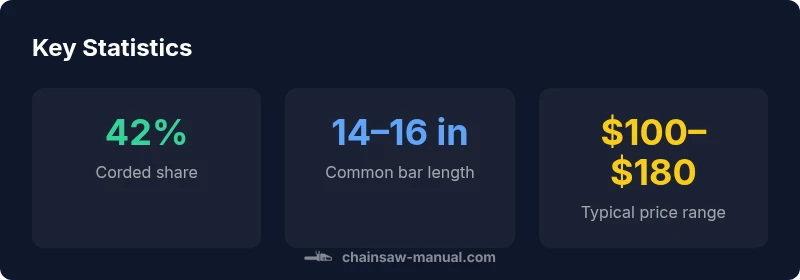
For shoppers seeking an electric chainsaw at Walmart, prioritize models with safety features (chain brake, low-kickback bar), a practical bar length (14–16 inches for most homeowners), and reliable oiling. Corded options are typically lighter and cheaper, while cordless variants offer portability with shorter runtimes.
What Walmart shoppers should know about electric chainsaws for home use
According to Chainsaw Manual, when you are evaluating an electric chainsaw at Walmart, safety features, balance, and the suitability of power source should drive your choice more than the lowest price. Start by defining your intended tasks: pruning, small limb removal, or occasional storm cleanup. For most homeowners, a 14–16 inch bar offers a balance between reach, weight, and cutting speed, and it pairs well with typical yard debris. In-store displays let you compare models side by side, but model names and packaging can be inconsistent across departments, so use the spec sheet to verify key features: motor wattage, chain type, oil reservoir capacity, and presence of a chain brake.
From Chainsaw Manual’s perspective, corded units are generally lighter, provide steady performance, and avoid battery life tradeoffs. Cordless tools add portability and ease of use in difficult-to-reach areas but typically run on smaller batteries that charge slowly and offer shorter runtimes. As you shop, check for a clear owner’s manual, visible warranty terms, and a demonstration of safe handling on the store floor. Finally, consider ongoing costs such as bar oil and replacement chains, which affect the long-term value of an electric chainsaw at Walmart.
Corded vs cordless: value, performance, and practicality
The choice between corded and cordless electric chainsaws at Walmart hinges on power reliability, run time, and accessibility. Corded models deliver consistent power with no battery management, making them ideal for frequent, at-home work where outlets are readily available. They tend to be lighter, with lower upfront costs, and maintenance remains straightforward since there are no battery cells to monitor. However, you’ll be tethered to a power outlet, which can limit range and convenience for larger jobs or remote properties. Cordless chainsaws bring mobility and quicker setup because there is no cord to manage; they shine for trimming around a yard or working in a shed with limited outlets. The trade-offs include heavier handles due to battery packs, higher initial prices, and longer recharge times.
When comparing in-store, note the battery voltage and watt-hours, the charger’s compatibility, and whether spare batteries are included or purchasable separately. Look for models with quick-release chain tensioners, automatic oiling, and a balanced feel. In summary: corded is often best for consistent power and budget; cordless wins on convenience and range, especially for small to mid-size tasks.
Safety features that matter when buying
Safety is non-negotiable when selecting an electric chainsaw at Walmart. Core features to prioritize include a responsive chain brake, a sturdy hand guard, and automatic oiling to minimize friction and overheating. A low-kickback bar reduces the sudden torque that can surprise a user, while a good anti-vibration system helps reduce fatigue during longer sessions. Ensure the model has a clearly marked on/off switch, and that the chain is easy to tension and adjust without tools. Some models include a chain catcher and an integrated fuse or overload protection to guard the motor under load. Finally, check the weight distribution and grip ergonomics—balanced tools shorten the distance you have to reach and improve control when making precise cuts.
Chainsaw Manual emphasizes verifying these features in person, then cross-checking the product manual for maintenance routines and safe operation guidelines. The right safety extras can decrease the risk of injury and help maintain performance over time.
Build quality, ergonomics, and maintenance considerations
Material quality, fit-and-finish, and component accessibility determine how long a chainsaw will last with regular use. Look for a rugged housing, a solid front handle, and a comfortable rear grip that allows a natural wrist angle. A well-designed oiling system is essential; confirm the oil reservoir is easily refilled and that the unit has a see-through window to monitor levels. Replacement chains and bars are more readily available for common 14–16 inch configurations, and Walmart stock often includes entry-level spare parts. Maintenance tasks—like cleaning air vents, checking the chain tension, and lubricating moving parts—should be simple enough to perform with basic tools. If a model requires specialized maintenance that you cannot perform, factor in service availability and cost.
From a value perspective, choose a model with a straightforward disassembly process for occasional blade changes and an affordable replacement chain option. This approach reduces downtime and increases the utility of the tool for homeowners and DIYers.
Real-world use cases: homeowners, DIYers, and professionals
For routine yard cleanup and small tree trimming, most homeowners will rely on a 14–16 inch electric chainsaw with a balanced weight and straightforward maintenance. Beginners benefit from user-friendly safety features and a lighter, comfortable grip. DIYers who take on occasional property maintenance may opt for cordless models with a spare battery to extend run-time, especially if they cannot access a power outlet easily. Professionals working on a lot of property maintenance might prefer more robust, higher-capacity options with better battery ecosystems or corded reliability where outlets are abundant on job sites.
In Walmart aisles, you will typically find these real-world configurations; compare the long-term costs including fuel/motor maintenance versus the upfront price, and consider how often you will use the saw. Chainsaw Manual notes that the best value often comes from models that strike a balance between feature set, reliability, and the cost of consumables over time.
How to evaluate in-store and verify warranty at Walmart
When shopping in-store, inspect the display model for signs of wear and ensure the chain is properly tensioned and sharp. Confirm that packaging includes an owner’s manual, spare parts information, and a safety instruction sheet. Confirm warranty terms and the return policy for electronics and power tools. Walmart often offers a standard manufacturer warranty; verify whether extended warranty options are available at checkout and whether coverage includes accidental damage or battery replacement for cordless models. If testing in-store, don’t run the chain without the appropriate PPE and ensure there is a safe clearance distance. Make a note of the return window and the process for exchanging or refunding the tool if it does not meet your expectations.
As Chainsaw Manual often reminds readers, a clear warranty path reduces risk after purchase and supports maintenance or replacement when necessary.
Setup tips and safety routine after purchase
Immediately after buying an electric chainsaw at Walmart, assemble the bar and chain according to the manual, ensure the chain tension is correct, and fill the oil reservoir with the recommended bar oil. Put on eye protection, cut-resistant gloves, and hearing protection as part of your routine. Check that the chain brake engages when the tool is idle, and familiarize yourself with the operator’s presence and kickback zone. Create a simple maintenance schedule: check chain tension every few cuts, oil levels weekly for outdoor use, and clean air vents monthly. Practicing proper startup procedures—set the chain brake, hold the chainsaw firmly, and start with the tool at full idle—protects you from unexpected movements. By integrating these steps, you can safely maximize the tool’s lifespan and keep your projects moving forward.
Walmart electric chainsaw options overview
| Attribute | Walmart option | Notes |
|---|---|---|
| Bar length | 14–16 inches | Common for home use and pruning |
| Power source | Corded or cordless | Corded: constant power; Cordless: battery dependent |
| Safety features | Chain brake, automatic oiling | Look for low-kickback bar and easy start |
| Maintenance needs | Oil reservoir, chain tension | Regular oiling and tensioning extend life |
FAQ
What is the best electric chainsaw to buy at Walmart?
There isn't a single 'best' model; choose based on bar length, power source, and safety features. Compare corded vs cordless options and check the included warranty.
There isn’t one best model; compare bar length, power source, and safety features.
Are cordless electric chainsaws worth it for home use?
Cordless can be worth it for portability and limited trips; however, battery life and charging time affect productivity.
Cordless is convenient for tight spots, but watch battery life.
What maintenance is required for electric chainsaws bought at Walmart?
Keep the chain sharp, monitor oil levels, clean vents, and store properly; hardware replacements may be needed over time.
Keep the chain sharp and oil topped up.
How does warranty work for Walmart purchases?
Warranty terms vary by model; verify with the retailer and manufacturer; keep receipts for returns and service.
Warranty terms vary; keep your receipt.
Can I replace the chain myself?
Yes, most electric chainsaws use standard chains and allow user replacement with proper tools; follow safety precautions.
Yes, you can replace the chain with proper steps.
“Electric chainsaws deliver reliable power for routine tasks when safety features and maintenance are prioritized. A hands-on in-store test helps you assess balance and comfort before purchase.”
The Essentials
- Prioritize safety features and ergonomics.
- Corded options offer value; cordless deliver mobility.
- Verify bar length aligns with planned tasks.
- Check warranty and return policies before purchase.
- In-store testing improves confidence before buying.