Electric Chainsaws for Sale: Practical Buying Guide
Explore electric chainsaws for sale: compare corded and cordless options, bar lengths, safety features, and maintenance tips to choose the right model for your home yard.


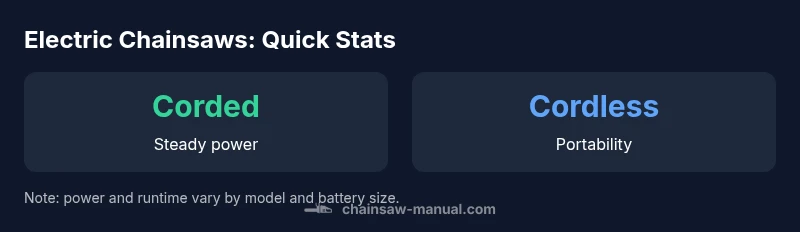
Electric chainsaws for sale offer a safer, cleaner option for most homeowners: corded models provide steady power, cordless give portability, and battery life varies by task. According to Chainsaw Manual, choosing the right model means balancing power, weight, and bar length for your typical jobs. In 2026, shoppers should expect better battery life, longer-lasting blades, and safer chain-braking features across major brands.
Market context and why homeowners consider electric chainsaws for sale
According to Chainsaw Manual, electric chainsaws for sale have grown in popularity as urban yards shrink and noise restrictions tighten. Homeowners increasingly seek tools that reduce emissions, limit maintenance, and minimize startup hassle. The segment benefits from immediate power delivery, predictable performance, and lighter weight compared with gas models. In practice, most suburban and small-acre tasks—pruning, trimming, and cleanup after storms—are well-suited to electric options. This section explores how corded and cordless variants fit everyday needs, what features most influence value, and how the buying landscape has shifted in 2026.
For many readers, the key advantage is simplicity: you press a trigger, and the saw performs with steady torque. For frequent DIYers, the prospect of extended runtimes and improved battery chemistry makes cordless models more viable than ever. Chainsaw Manual’s analysis shows a broad trend toward longer-lasting batteries and safer braking mechanisms that reduce kickback for beginner users.
Corded vs cordless: strengths, trade-offs, and use cases
Corded electric chainsaws provide consistent, uninterrupted power for longer sessions, making them ideal for routine yard maintenance and tasks close to a power source. Cordless variants offer portability and convenience for remote sites or pruning work where cords are impractical. The trade-off is runtime and battery weight—larger bars and tougher cuts drain packs quickly. When planning purchases, home users should map tasks to power source, then balance weight and form factor to minimize fatigue. To maximize value, consider a model with a fast charge option and a spare battery so work isn’t interrupted by charging cycles.
In summary, corded models excel in stationary work near outlets, while cordless options shine in flexibility and clean operation—without the fuel, oil, or exhaust that can complicate outdoor projects.
Key specifications that matter for home use
Beyond power source, a few specifications drive real-world performance. Bar length determines cutting reach and suitability for pruning versus limbing. Weight affects maneuverability, especially during one-handed cuts or overhead work. Chain quality and lubrication affect efficiency and safety—look for auto-oiling systems and easy chain tension adjustments. Battery chemistry and capacity dictate runtime, especially on larger properties. Finally, safety features like chain brake, anti-kickback design, and low-vibration handles improve day-to-day comfort. For most home yards, a model with a 12–16 inch bar, a weight under 5 kg, and a reliable braking system hits the sweet spot.
Safety, maintenance, and best practices
Even with electric power, proper safety protocols matter. Always wear PPE: helmet, eye protection, gloves, hearing protection, and cut-resistant chaps. Maintain tension and sharpness: a dull chain increases the risk of kickback and requires more force. Keep the bar oil reservoir topped up and clean air vents to prevent overheating. Store batteries in a cool, dry place and avoid exposing tools to freezing temperatures. Routine maintenance reduces failures and extends tool life, enabling safer, more efficient work throughout the season.
How to shop: a buying-guide checklist
Create a checklist before you buy: identify typical yard tasks, decide between corded or cordless, and set a budget. Compare power options, bar lengths, and overall weight. Check warranty terms and dealer support, especially for battery packs and replacement blades. Read user reviews focusing on reliability and after-sales service. Finally, verify safety features such as chain brakes and anti-kickback mechanisms, and consider purchasing from retailers that offer a test period or easy returns.
Common mistakes and how to avoid them
Avoid choosing a saw solely on price or brand without evaluating runtime and ergonomics. Don’t neglect PPE, even for short tasks. Don’t buy a long bar if you mostly prune small limbs; it makes control harder and increases the risk of accidents. Finally, avoid mixing chainsaw maintenance with other tools—follow model-specific lubrication intervals and blade sharpening instructions to prevent underperformance and hazardous jams.
Real-world tips: matching tasks to model types
For light-duty pruning, a compact 12–14 inch model is often sufficient. For mid-range cleanup and storm response, consider 14–16 inch bars and a cordless setup with two batteries to minimize downtime. If you frequently work away from outlets, a robust cordless model with a high-capacity battery becomes the most practical choice. Always tailor your selection to the largest expected task and your ability to manage weight during sustained cuts.
Comparison of common electric chainsaw configurations
| Model Type | Power Source | Bar Length (in) | Typical Use |
|---|---|---|---|
| Corded Electric | Corded | 14–18 | Light- to medium-duty trimming and cleanup |
| Cordless Battery | Cordless | 12–16 | Moderate pruning, portability |
| Cordless Battery (Longer Bar) | Cordless | 16–20 | Heavy pruning, larger branches |
FAQ
Are electric chainsaws as powerful as gas models?
For most home tasks, electric models handle pruning and light cutting well, but heavy-duty felling can be better served by gas. Consider task scope and safety margins when choosing.
Electric chainsaws are great for pruning and light cuts; for heavy logs, a gas saw may be needed.
Corded vs cordless: which should I buy?
Corded offers consistent power; cordless provides portability and flexibility. Your choice should reflect task proximity to outlets and desired mobility.
Corded for steady power near outlets; cordless for moving around the yard without a cord.
What bar length is right for typical home projects?
A 12–16 inch bar covers most homeowners' needs; longer bars are for bigger branches and heavy pruning.
Most homes do well with 14 inches; go longer if you cut thicker limbs regularly.
What safety gear should I use with an electric chainsaw?
Wear a helmet, face shield, cut-resistant gloves, hearing protection, and safety chaps. Maintain a safe stance and keep bystanders clear.
Always wear PPE and stay aware of your surroundings.
Do electric chainsaws require maintenance like gas models?
Yes, perform regular sharpening, tensioning, and lubrication. Clean air vents and avoid overheating by proper cooling after use.
Oil the bar, sharpen the chain, and keep it clean.
Where can I find electric chainsaws for sale?
Check major retailers, home improvement stores, and trusted online shops. Compare warranties and service options.
Look at reputable sellers and check warranty terms.
“Electric chainsaws deliver reliable power with lower noise and maintenance, but the right choice depends on your typical yard work. Always balance power, weight, and bar length.”
The Essentials
- Match power and bar length to your common tasks.
- Prefer corded models for steady power in the yard.
- Choose bar length that fits typical branches and pruning jobs.
- Prioritize safety features and consistent maintenance.