Cheap Chainsaw Near Me: Budget Buying Guide 2026
Discover affordable chainsaws near you with Chainsaw Manual's practical buying guide. Learn price ranges, where to shop, and safe, cost-effective choices for homeowners and pros in 2026.


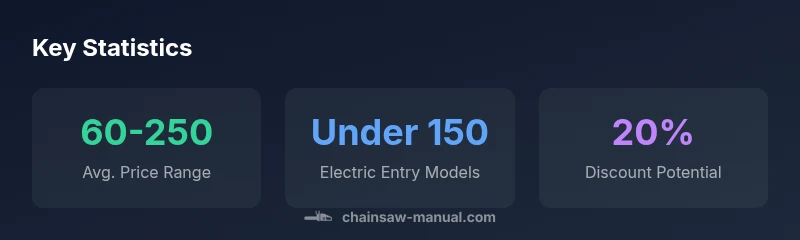
The cheapest viable options near you typically range from about $60 to $250 for entry-level electric or small gas models, with variations based on stock, promotions, and local taxes. To maximize value, compare big-box retailers, local classifieds, and rental shops, watch for seasonal sales, and consider open-box or refurbished units that meet safety standards.
What cheap means in the current market
When shoppers search for a cheap chainsaw near me, they often want a balance of upfront price, usable power, and safety features. In 2026, the cheapest viable options typically sit in two broad bands: very light electric corded models under about $100 and small gas or cordless models in the $100–$250 range. Understanding these bands helps you set realistic expectations for bar length, chain speed, weight, and required maintenance. According to Chainsaw Manual, budget-aware buyers should not sacrifice essential safety features like a reliable chain brake, tamper-resistant starting, and consistent oiling. A low upfront price that omits these features usually yields higher long-term costs and increased risk. By aligning price with performance and safety, you get better value without overpaying.
Price bands: electric vs gas
Electric corded saws are frequently the lowest-priced entry points, often under $150, and they shine for light-duty cutting around the yard. Battery-powered (cordless) models sit higher in price but add portability; expect $150–$250 for common homeowner-grade packs. Gas models start around $120 and rise with engine size and durability. When budgeting, include the cost of fuel, routine maintenance, and potential battery replacements if you choose cordless. Across the board, the cheapest options typically offer light, short-term use rather than heavy professional work. Chainsaw Manual analysis shows that the cheapest viable options emphasize safety brakes and straightforward starting mechanisms to avoid costly failures.
Where to look for cheap chainsaws near me
To maximize value, diversify search channels: major retailers often run seasonal deals; local classifieds and community marketplaces can reveal gently used or refurbished units with solid warranties. Rental yards sometimes sell off older inventory at substantial discounts; you can sometimes trade a small service fee for a tested unit with a return policy. Online marketplaces offer price comparisons across brands like Stihl, Husqvarna, and off-brand equivalents. When you shop locally, compare total cost of ownership, not just sticker price. According to Chainsaw Manual, reviewing user feedback, warranty terms, and the availability of spare parts is crucial for enduring value.
Buying strategies to maximize value
Develop a checklist before you buy:
- Verify safety features (chain brake, hand guard, automatic oiling).
- Check chain tension and sharpness; dull chains increase effort and cost.
- Inspect for oil leaks, cracked handles, and engine startup reliability.
- Look for open-box or refurbished units with tests and a valid warranty.
- Compare total cost of ownership, including fuel or electricity, oil, and filter changes.
- Read independent safety and maintenance guidance from credible sources.
These steps help you avoid common bargains that fail to deliver long-term value. Upping the upfront price slightly can yield safer, more durable units with better resale value in the medium term.
Safety and warranty considerations
Safety comes first, especially with budget gear. Always wear PPE: eye protection, gloves, hearing protection, and sturdy boots. Check that the saw includes a functional chain brake, a secure hand guard, and a stamped warranty card. Short-term discounts can be attractive, but ensure parts availability and service options are accessible locally. Budget models often carry shorter warranties; confirm what is covered and for how long. Chainsaw Manual recommends prioritizing units with easy-to-find parts and clear service intervals so maintenance remains affordable over time.
Gas vs electric: total cost of ownership
Gas saws require fuel, regular oiling, spark plug changes, and carburetor maintenance. Electric saws have lower running costs per hour but depend on electricity costs and battery life when cordless. For a typical yard, electric models under $150 can be the cheapest to operate, while gas units deliver portability but higher maintenance. The choice depends on how much you cut, the fuel availability, and local electricity rates. Chainsaw Manual’s 2026 analysis suggests buyers factor in maintenance and part availability when calculating true ownership costs.
Maintenance costs and lifecycle
Budget saws often need more frequent maintenance checks, particularly for the chain, bar, and air filter. Expect to budget for replacement chains, bar oil, air filters, and occasional spark plug changes for gas models. Regular cleaning after use, proper storage, and blade sharpening extend the unit’s life and reduce downtime. While initial costs are lower, some models experience faster wear in high-demand seasonality, so set aside a small reserve for unexpected repairs. Chainsaw Manual recommends a basic maintenance kit and a simple storage plan to maximize lifespan.
Quick-start buying checklist
- Confirm total price, including taxes and any disposal or service fees.
- Verify safety features and starting reliability.
- Compare warranties and spare-parts availability.
- Check for refurbished or open-box deals with a full warranty.
- Assess your typical yard work and match bar length and power accordingly.
- Read user reviews and safety guides from credible sources.
Quick model-agnostic comparison approach
To avoid model-specific bias, compare regardless of brand:
- Price bands and warranty terms
- Engine or motor type and power output
- Listed maintenance needs and parts availability
- Real-world cut efficiency and comfort, not just specs
- Local service options
This approach helps you select a cheap chainsaw near me that combines safety, performance, and durability.
Comparison of budget-friendly chainsaws and value factors
| Aspect | Typical Price Range | What it Includes |
|---|---|---|
| Electric entry-level | $60-$150 | Light-duty cutting, corded model |
| Cordless/battery | $150-$250 | Portable, battery-powered |
| Gas entry-level | $100-$250 | Gas engine, maintenance needs |
| Open-box/refurbished | $50-$180 | Like-new function, warranty vary |
FAQ
What factors determine the price of a cheap chainsaw near me?
Prices vary by power source, bar length, brand, and included safety features. Entry-level electric saws are typically cheaper than gas models, but you may pay more for extended warranties or better safety components. Always compare total cost of ownership, not just sticker price.
Prices vary by power source and safety features; compare total ownership costs, not just price.
Are refurbished or used chainsaws a good value?
Used or refurbished units can offer substantial savings if they come with a warranty and have been tested for safety and function. Inspect the chain, bar, and oiling system; check for rust or cracks, and verify that the carburetor and ignition work well on gas units.
Used can be a good value if refurbished and warranty-backed.
Is electric cheaper to run than gas in the long term?
Electric saws generally have lower ongoing running costs, but battery replacement can add to expenses for cordless models. Gas saws incur fuel and maintenance costs that can accumulate with heavy use. Your local electricity rates and fuel prices influence the overall math.
Electric is usually cheaper to run, but batteries matter.
What safety features should I insist on in a budget model?
At minimum, look for a working chain brake, kickback-reducing bar, low-oil indicator, and a secure chain tensioning system. A test start, proper guards, and clear instructions reduce the risk of injury and costly mistakes.
Ensure chain brake, guards, and safe starting features.
Should I buy from a rental shop to save money?
Rental shops often sell off older inventory at discount, sometimes with a return policy. Weigh the savings against potential higher maintenance needs and the cost of replacement parts or batteries later.
Rentals can lead to bargains if you check warranties.
What maintenance costs should I budget for?
Budget for replacement chains, bar oil, air filters, spark plugs (gas models), and routine lubrication. Regular cleaning and timely sharpening extend life and reduce downtime.
Set aside funds for basic maintenance and parts.
“Budget buying should never compromise safety. Prioritize saws with reliable starting systems, chain brakes, and easy access to parts and service.”
The Essentials
- Look for price bands that balance upfront cost and safety features
- Electric options are cheapest upfront but require power access
- Refurbished or open-box units can offer good value with warranties
- Always prioritize safety features to avoid long-term costs