Cheap Chainsaws for Sale: Smart Buying Guide
Explore how to buy cheap chainsaws for sale without sacrificing safety. Learn to compare budget models, prioritize essential features, maintain the tool, and understand warranty options.


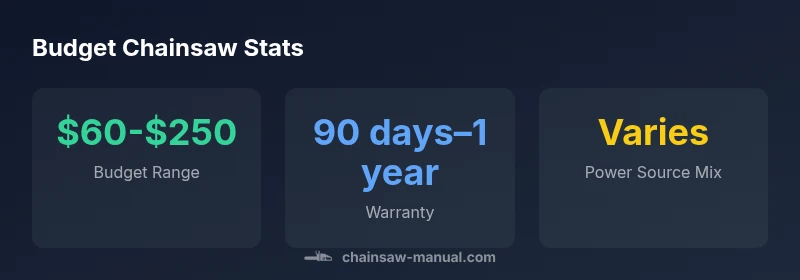
Budget chainsaws commonly cost between $60 and $250, depending on power source, bar length, and included safety features. A cheap chainsaw for sale can handle light-yard tasks, but typically sacrifices runtime, durability, and user comfort. For DIY work, prioritize models with chain brake, automatic oiler, and easy tensioning; upgrade to a reputable brand if within budget.
Understanding what cheap means in chainsaws
When shoppers search for cheap chainsaws for sale, price often defines value. In Chainsaw Manual's analysis, "cheap" usually refers to entry-level models with smaller displacement engines, lighter components, and fewer features, rather than poor quality. For homeowners, a bargain is appealing, but it comes with expectations: you will likely trade peak power, burn rate, durability, and ergonomics for a lower upfront cost. In practice, the cheapest option may not save money in the long run if it requires frequent service, higher fuel consumption, or shorter service intervals. This section clarifies what you should look for and what you should avoid, tying purchase decisions to your typical yard size, work frequency, and safety responsibilities.
According to Chainsaw Manual, a practical approach is to identify your core tasks first, then map those tasks to budget-friendly features and reliable, mid-range brands when possible. This helps keep risk low while ensuring you have a tool that meets basic needs without overspending.
How to compare budget chainsaws: power, weight, and features
Budget chainsaws for sale vary widely in power, weight, bar length, and feature set. The most important decision factors are your typical cutting tasks, the frequency of use, and your comfort with maintenance. For light pruning and small- to medium-sized jobs, a model with a 12–14 inch bar and a lightweight design can be sufficient, while larger yards or tougher cuts may demand more robust options. Always compare horsepower or displacement in the context of actual performance, not marketing claims. Also consider run time per battery charge for cordless units and fuel efficiency for gas models. Keep in mind splitting tasks across multiple tools can reduce the risk if you’re using a budget unit.
From a user perspective, the best budget choice balances power with weight and predictable maintenance needs. Chainsaw Manual’s analysis indicates that many buyers underestimate the importance of a reliable chain brake, an automatic oiler, and clear tensioning. These features save time, improve safety, and extend tool life, especially when you’re working with a sub-$200 model.
Key features to look for on a budget model
When evaluating cheap chainsaws for sale, focus on a handful of non-negotiable features that affect both safety and performance:
- Chain brake and hand guards to prevent kickback injuries.
- Automatic oiler to maintain chain lubrication without constant adjustment.
- Tool-less chain tensioning for quick, safe adjustments.
- Low-vibration design to reduce user fatigue during longer sessions.
- Clear, accessible air filter and spark plug access on gas models for easier maintenance.
- Adequate safety features like a safety throttle lock and chain catcher.
- Reasonable bar length for your typical tasks (usually 12–16 inches for home use).
Inexpensive models often omit premium components, so verify the presence of these basics before buying. If a bargain model misses several of these features, weigh the risk against the savings and consider a slightly higher budget option.
It’s also wise to check for readily available replacement parts and local service options. A sub-$150 saw that’s easy to repair can outperform a cheaper, harder-to-service unit over a season or two.
Safety first: PPE and safe operation with cheap models
Safety must stay front and center when using any chainsaw, especially budget models where power and stability may be marginal. Always wear eye protection, a helmet with face shield, hearing protection, gloves, and sturdy pants and boots. Use a well-maintained work area and secure the workpiece before cutting. Practice safe handling: keep both hands on the saw, never cut above shoulder height, and never operate when fatigued. Maintain a firm stance, use a proper cutting stance, and chain brake should be engaged whenever you carry the tool between cuts. Remember that even affordable units can cause serious injury if misused.
For beginners, consider starting with smaller, lighter tasks to build familiarity. If you’re unsure about your safety or the tool’s condition, pause and consult the user manual or a professional. A safe setup reduces the risk of accidents and helps you learn correct technique more quickly.
Common compromise points you might encounter
Cheap chainsaws typically trade off some performance for lower price. Common compromises include shorter run times between refuels or recharges, reduced durability under heavy use, louder operation, and fewer protective features. Some models may have less aggressive anti-kickback mechanisms or fewer vibration-dampening components, which can affect comfort during longer sessions. The key is recognizing which trade-offs matter most for your use case. If your tasks are occasional and lightweight, a sub-$100 model can work; for frequent or demanding work, a modest upgrade may be cost-effective in the long run.
To minimize downsides, plan shorter cutting sessions with breaks, perform regular maintenance, and store the saw properly. Lubrication, tension checks, and routine cleaning reduce wear and prolong performance. When in doubt, compare two or three models that fit your needs and look for user reviews that discuss practical reliability over a season before committing.
Maintenance tips to extend life of cheap chainsaws
Low-cost chainsaws require consistent care to deliver dependable performance. Start with routine cleaning after use, wipe down the exterior, and remove any wood chips from the cooling vents. Check and maintain the chain tension regularly—incorrect tension shortens chain life and can increase the risk of derailment. Keep the bar and chain lubricated using the recommended oil type, and replace or clean the air filter when performance drops. Use only the recommended fuel and mix ratios for gas-powered tools and follow storage guidelines that prevent moisture and corrosion.
For cordless models, ensure batteries are charged according to the manufacturer’s instructions and avoid exposing packs to extreme temperatures. Periodically inspect the chain for dullness or damage and sharpen or replace as needed. Small, consistent maintenance sessions beat large repairs later, particularly in budget units where components may wear more quickly. Chainsaw Manual emphasizes a simple maintenance routine as the best way to keep a cheap saw running reliably.
Warranty, service, and choosing a reputable seller
Warranty terms on budget chainsaws vary widely. Many entry-level models come with limited warranties—often 90 days to a year—and coverage may exclude wear items like the chain or bars. Always read the warranty details, understand what’s covered, and verify what you need to do to claim it (registration, receipts, etc.). When buying cheap, opt for sellers with clear return policies, accessible customer service, and readily available replacement parts. Local service options matter; a saw that’s easy to service nearby reduces downtime when issues arise.
Consider buying from a retailer with a price-matching policy and dependable post-sale support. If you’re buying online, check reviews that mention customer service experiences and parts availability. A small upfront saving can quickly vanish if the unit isn’t repairable or if warranty support is lacking.
Budget buying strategies: new vs refurbished vs seasonal sales
Deciding between new and refurbished budget models requires weighing risk against reward. New budget saws come with full warranties and brand-new components, which minimizes failure risk, but can be pricier. Refurbished units can offer substantial savings and may include a limited warranty if purchased from a reputable seller with a quality refurbishment process. Always verify refurbishment standards, test run the saw if possible, and inspect the chain, bar, and overall condition before purchase. Seasonal sales around spring and fall can also yield significant discounts on budget models, particularly around yard-work season.
If you’re willing to do basic maintenance and accept a lower initial reliability, a refurbished unit can be a solid value. For occasional users, a new, basic model may be the better long-term choice. Regardless, prioritize safety features and verify the seller’s return policy and warranty terms before finalizing the purchase.
Quick buying checklist for cheap chainsaws for sale
- Define tasks: pruning, light cutting, or occasional yard work.
- Check safety features: chain brake, automatic oiler, chain catcher, and low-kickback bar.
- Confirm weight and balance: aim for comfortable heft for your size and strength.
- Verify warranty terms and after-sale support.
- Research the availability of replacement parts, oil, and blades.
- Read user reviews focusing on reliability and service.
- Inspect the saw in person if possible; test the chain tension and ease of maintenance.
- Compare at least two models within your budget to assess trade-offs.
Using this checklist helps you avoid overpaying for features you don’t need while ensuring you don’t sacrifice essential safety and reliability. The Chainsaw Manual team recommends sticking to reputable retailers and not choosing the cheapest option if it omits critical safety features.
Comparison of budget chainsaw options and trade-offs
| Model Type | Typical Price Range | Trade-offs | Warranty |
|---|---|---|---|
| Budget electric (corded) | $60-$120 | Limited power, shorter run time | 1 year (typical) |
| Budget gas (small displacement) | $120-$200 | More maintenance, emissions | 90 days–1 year |
| Budget cordless (2.0–4.0 Ah) | $150-$250 | Battery life affects performance | 1 year |
FAQ
Are cheap chainsaws safe to use for heavy tasks?
Cheap chainsaws can be safe if used correctly and maintained, but they may struggle with heavy cuts. For demanding work, choose models with adequate power, features, and a firm safety setup, and always use proper PPE.
Yes, but only if you match the saw to the task and follow safety rules.
What safety features should I look for in a budget model?
Look for a chain brake, automatic oiler, chain catcher, rear handle with a secure grip, and a user-friendly throttle with safety lock. These features improve safety and reduce the risk of kickback and injuries.
Prioritize chain brake, auto-oiler, and chain catcher for safer operation.
Do budget chainsaws come with warranties?
Most budget models include a limited warranty, often 90 days to 1 year. Verify what's covered, how to claim, and whether replacement parts are readily available.
Check the warranty period and coverage before buying.
Is it better to buy new or refurbished budget chainsaws?
New models offer the latest safety features and full warranties but cost more. Refurbished units can be good value if purchased from reputable sellers with a clear return policy and warranty.
Refurbished can be a smart pick if the seller is trustworthy and warranty is included.
How should I maintain a cheap chainsaw to extend its life?
Keep the chain sharp and properly tensioned, lubricate regularly, clean air vents, and store with bar and chain covered. Regular checks prevent expensive repairs.
Keep it clean, sharpen the chain, and lubricate as recommended.
“Budget-friendly chainsaws can be reliable workhorses when you choose the right model and commit to regular maintenance.”
The Essentials
- Budget options range widely in price; define tasks first.
- Prioritize safety features even on cheap models.
- Check warranty terms and seller credibility.
- Regular maintenance extends life of budget chainsaws.
- Assess power source trade-offs (electric vs gas vs cordless).