Top Chainsaws Under $200: Practical Buying Guide
Discover budget-friendly chainsaws under $200, what to expect, features to prioritize, safety tips, and how to compare models for homeowners and pros.


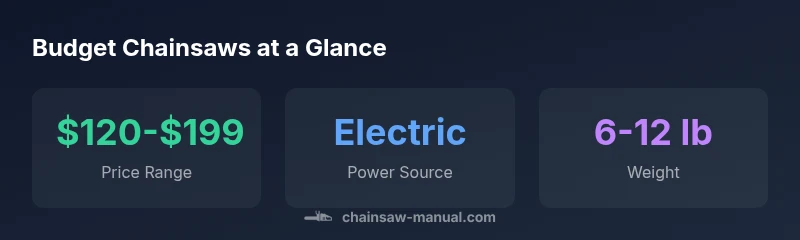
A budget-friendly chainsaw under $200 can cover basic pruning and light cutting tasks, especially electric models. Expect simpler builds, lighter weight, and essential safety features like a chain brake and automatic oiling. For homeowners, it’s about value, reliability, and easy maintenance rather than heavy-duty performance.
Understanding the value proposition of a chainsaw under $200
For homeowners and DIYers, a budget-priced chainsaw can open up pruning and light felling tasks without a large upfront investment. When shopping for a chainsaw under $200, you should expect simplified features and lighter construction, with a focus on ease of use, reliability, and safety basics. According to Chainsaw Manual, budget models prioritize accessibility, standard safety features, and serviceability rather than peak cutting performance. The Chainsaw Manual team found that most entry-level options emphasize electric power for stability and lower maintenance, with gas-powered minis offering portability but higher running costs and noise.
In practice, this price point often means:
- Shorter bar lengths (8-16 inches) suitable for trimming, small branches, and firewood prep
- Slower chains and less torque compared to premium models
- Simpler anti-kickback design and fewer advanced safety features
However, price-conscious buyers can still achieve solid results if they choose the right option and use proper technique. We’ll walk through what to expect, how to evaluate features, and where to invest a few extra dollars to gain safety and reliability.
Electric vs gas under $200: Trade-offs
Electric budget chainsaws under $200 tend to offer steadier performance, lower noise, and easier maintenance, making them attractive for home use and lighter tasks. Corded models rely on a constant power source, which can limit mobility but provide consistent cutting speed. Cordless (battery) options improve portability but may have shorter runtimes per charge and slower torque than corded or gas units. Gas-powered mini chainsaws within this price range can deliver more raw cutting power and longer runtime per tank, but they require more maintenance, fuel management, and noise considerations. Gas options also tend to be heavier and more expensive to operate over time.
When choosing between electric and gas under $200, consider your typical workload, access to power, and your tolerance for maintenance. For most homeowners, an electric model suffices for pruning and small limbs, while occasional gas minis suit batch tasks or areas without easy access to outlets.
Key features that matter in a budget model
In budget chainsaws, prioritize features that directly affect safety and usability:
- Chain brake and inertia-activated safety system
- Automatic oiler and adjustable oil flow to reduce bar wear
- Tool-less chain tensioning and easy-access spark plug/air filter
- Lightweight design with balanced weight distribution to reduce fatigue
- Bar length in the 8-16 inch range for versatile pruning and limbing
- Simple starting mechanism and clear, legible instructions
- Sufficient warranty and access to replacement parts
Also consider accessories and PPE (helmet with face shield, gloves, chaps) to maximize protection during operation. Remember that a low price doesn’t justify skipping maintenance or safety checks.
Safety and PPE considerations for budget models
Safety always comes first, especially with entry-level tools. Ensure the model includes a functional chain brake, a solid hand guard, and a reliable chain catcher. Always wear PPE such as a hard hat, eye and ear protection, cut-resistant pants, gloves, and sturdy boots. Keep the chain sharp and lubricated, and perform regular inspections before each use. For beginners, practice basic grip, stance, and cutting technique in a clear area away from people and obstacles. If the saw feels unstable or vibrates excessively, stop and inspect the bar, chain, and mounts.
How to compare options: a practical checklist
Use a simple comparison checklist when evaluating budget options:
- Price alignment with your typical tasks
- Power source and availability of batteries or outlets
- Bar length and chain quality
- Safety features: chain brake, kickback protection, and throttle lock
- Weight and balance for comfortable use
- Availability of spare parts and service centers
- Warranty terms and customer support quality
- Replacement parts cost and lead times
Create a short side-by-side in a notebook or spreadsheet to visualize the decision. If two models are close in performance, choose the one with better safety features and longer warranty coverage.
Maintenance, warranties, and part availability on budget tools
Budget chainsaws often share common maintenance items: occasional chain sharpening, bar and chain replacement, and refilling with appropriate oil. Verify the availability and cost of parts like chains, bars, and filters for your chosen model. A decent warranty (even a basic one) provides peace of mind against early failures, and a responsive service network saves time. Maintain cleanliness, store the tool properly, and perform periodic lubrication checks to extend life. For pricier replacements or specialized parts, confirm compatibility and vendor support before purchase.
Realistic use cases and performance expectations
Budget models are well-suited for light pruning, trimming, and small-limb cutting around the home or farm. Don’t expect heavy-duty felling or long, continuous cutting sessions with sub-$200 machines. For occasional yard work, a budget chainsaw can deliver reliable results when used correctly and with proper maintenance. If your workload grows, you can upgrade later to a higher-powered model while keeping the same safety routines. In all cases, practice safe handling and routine inspections to avoid accidental injuries.
Budget chainsaws under $200: quick reference
| Model Type | Estimated Price Range | Bar Length | Typical Use |
|---|---|---|---|
| Corded Electric | "$120-$180" | "12-14 inches" | "Light pruning and edging" |
| Cordless Electric | "$140-$199" | "10-12 inches" | "DIY projects and small limbs" |
| Gas-Powered Mini | "$150-$199" | "14-16 inches" | "Quick limbing and firewood prep" |
FAQ
What is the best budget chainsaw under $200?
There isn’t a single best model for everyone, but electric budget chainsaws typically offer consistent performance, low noise, and easier maintenance. Look for models with a chain brake, automatic oiling, and a user-friendly tensioning system. Choose based on your typical tasks and the availability of replacement parts.
There isn’t one best model for all users, but electric options with safety features are a solid starting point for home use.
Are electric chainsaws under $200 safe for beginners?
Yes, electric budget chainsaws are generally safer for beginners due to steadier power delivery, lighter weight, and simpler controls. Prioritize safety features like a chain brake and automatic oiling, and always use appropriate PPE.
Yes, they’re typically a good choice for beginners when paired with safety gear.
Can a budget chainsaw handle my yard tasks?
Budget models handle light pruning and small limbs well. For larger trees or frequent heavy use, plan for a higher-powered model in the future and maintain safe practices. Always tailor your choice to the bar length and power you realistically need.
They’re good for light yard work, but heavy-duty tasks may require an upgrade later.
What maintenance is required for budget chainsaws?
Regular maintenance includes keeping the chain sharp, monitoring bar oil, cleaning air filters, and checking tension. Replace worn parts promptly and follow the manufacturer’s service interval to prevent premature failure.
Keep the chain sharp, oil well, and parts fresh.
Gas vs electric under $200: which to pick?
Electric models are easier to start and maintain, with less noise and fumes, making them ideal for home use. Gas minis offer mobility and longer runtime but require more upkeep and fuel. Choose based on power needs and practical use cases.
Electric is easier for home use; gas gives mobility but more upkeep.
“Budget chainsaws can be a smart entry point for homeowners when paired with proper safety practices and routine maintenance.”
The Essentials
- Choose electric for safety and maintenance ease
- Expect smaller bar lengths under $200
- Prioritize chain brake and oiling features
- Verify parts availability and warranty
- Pair with proper PPE for safe operation