Big Chainsaws for Sale: A Practical Buying Guide
Discover how to pick big chainsaws for sale, balancing power, weight, and safety. This guide covers specs, safety gear, maintenance, and where to buy with confidence.


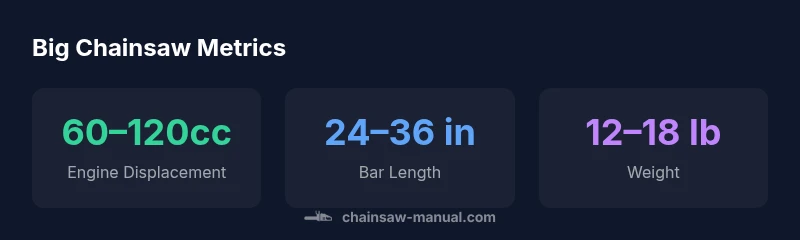
The best big chainsaws for sale balance power, weight, and safety for heavy-duty cutting. In the 60–120cc class, look for bar lengths of 24–36 inches, dry weight around 12–18 pounds, and reliable anti-kickback features. This guide helps homeowners, DIY enthusiasts, and professionals compare options, assess trade-offs, and choose a model that matches your tasks, budget, and service availability.
Market Landscape for Big Chainsaws
Big chainsaws for sale in the 60–120cc class are designed for heavy timber work, but they require careful selection to avoid underpowered tools or unwieldy beasts. According to Chainsaw Manual, the market is broad, with options ranging from compact pro models to long-bar units intended for sustained felling and bucking. The decision often comes down to task type, frequency of use, and how you balance raw power with weight and maneuverability. Homeowners tackling occasional brush removal may be perfectly served by mid-size models, while logging contractors will lean toward long-bar, high-torque variants that maintain performance over long shifts. Availability is broad across traditional hardware stores, dedicated chainsaw shops, and online retailers, but service networks and warranty terms can vary widely. Before you buy, consider whether you need spare parts readily available, access to skilled service centers, and the brand ecosystem you trust. The goal is to select a tool you can safely operate, maintain, and resell or upgrade as needs evolve.
Core Specifications to Compare
Big chainsaws for sale vary in several core specs that influence performance and handling. Engine displacement (commonly 60–120cc for large saws) drives torque, which matters for larger logs but adds weight. Bar length in the 24–36 inch range increases reach but reduces maneuverability and increases kickback risk if used improperly. Weight typically sits around 12–18 pounds for many pro models, but longer bars can push the total heft higher. Look for anti-vibration systems, an efficient chain brake, a reliable chain oiler, and a solid air filtration system. Chain pitch and gauge determine compatibility with chains: a wider chain is stronger but requires more precise tensioning and sharper maintenance. Finally, management features such as primerless starting, decompression valves, and easy-access air filters reduce downtime on long jobs. Always verify the manufacturer’s recommended maintenance intervals and warranty terms before purchase.
Safety Features and PPE Essentials
Safety features on big chainsaws are not optional add-ons; they’re essential for preventing serious injuries. Key protections include a robust chain brake that engages instantly when kickback occurs, a responsive throttle interlock, and effective anti-vibration systems to reduce fatigue. A sharp, well-tensioned chain minimizes bind and slip, while a quick-release air filter helps you keep the engine breathing clean during heavy use. PPE is non-negotiable: sturdy gloves, cut-resistant chaps, a helmet with face shield, hearing protection, and ANSI-rated boots should accompany every cutting session. Training on proper grip, stance, and chain tension is equally important, and many manufacturers offer free safety guides or certified training partners. Chainsaw Manual emphasizes starting and stopping procedures that minimize dangerous movements, as well as routine maintenance checks to catch wear before it becomes failure. In practice, safety is a system: the tool, the operator, and the environment—all must meet high standards to ensure reliable performance.
Buying Channels and Warranties
Buying channels for big chainsaws for sale vary by region and need. Reputable chain saw retailers, rental yards, and professional woodworking supply houses typically offer new units with full warranties and after-sales service. Online marketplaces can present favorable prices, but you should verify seller reputation, shipping nuances, and return policies. Second-hand purchases demand extra caution: inspect for bar wear, chain condition, and signs of overheating. Wherever you shop, confirm the warranty length, the availability of spare parts, and the proximity of service centers. A solid service network reduces downtime and protects your investment. It’s also prudent to compare bundled packages (chains, bars, oil, and protective gear) against standalone purchases, since bundles can deliver real value to busy professionals and serious DIYers alike.
Maintenance and Lifespan
Big chainsaws demand disciplined maintenance to reach their expected lifespans. Start with fuel and bar oil: use the recommended two-stroke fuel mix and keep the bar oil reservoir topped up to prevent chain overheating. Regularly sharpen or file the chain to maintain cutting efficiency; a dull chain can tax the engine and increase kickback risk. Clean the air filter after heavy use and inspect the spark plug or ignition system per the manufacturer’s schedule. Check the chain tension and bar in every session to avoid excessive wear. Storage matters too: store with a drained tank if not used for extended periods, and keep the chain covered with a protective scabbard. Professional and DIY users alike should schedule seasonal maintenance checks, including carburetor tune-ups for older two-stroke engines and inspection of the clutch and fuel lines. Proper maintenance translates into smoother starts, steadier performance, and longer service life.
Cost Considerations and Total Cost of Ownership
Investing in a big chainsaw is a decision that goes beyond the sticker price. While prices vary by brand, displacement, bar length, and included accessories, you should plan for ongoing costs such as fuel, bar oil, chain replacements, and occasional servicing. In many cases, a higher upfront investment yields lower downtime and longer intervals between service visits, which saves time and frustration on busy job sites. If you rely on the saw daily, consider extended warranties or service contracts that cover major components like the bar and chain, as well as scheduled maintenance. For homeowners, a mid-range model with a shorter bar may offer the right balance of price and performance, with lower ongoing costs. When evaluating options, request itemized quotes that separate core saw price from accessories and service agreements. This approach helps you compare true total cost of ownership across models and brands.
Use Case Scenarios and Task Matching
Different tasks demand different big chainsaws. For occasional yard work, a 24–30 inch bar on a lighter, more manageable saw often suffices. For property maintenance that involves frequent trimming and bucking, a 28–36 inch bar with good torque provides a safer, more efficient cut. In professional timber operations, many workers prefer long bars (36 inches or more) paired with durable anti-vibration features and a robust chain accumulator for extended shifts. In rental scenarios, check reliability and service availability; the right model reduces downtime and ensures compliance with safety rules. Consider the environment as well: compact tools work best in tight spaces, while open spaces favor longer bars and higher torque. Finally, think about future needs: if you anticipate more heavy-duty projects, invest in a model that will scale with your workload rather than replacing it later.
Practical Steps to Pick Your Model
Follow these steps to select the right big chainsaw for sale. First, define your main tasks and log sizes you’ll encounter. Second, shortlist models with 60–120cc engines and 24–36 inch bars; assess weight and balance. Third, check safety features and certification; fourth, verify warranty and service options within your region. Fifth, compare ongoing costs—fuel, oil, chain maintenance—and plan for accessories. Sixth, test the model if possible: a well-balanced saw should feel comfortable in your hands with a secure grip and predictable throttle response. Finally, confirm support from the seller, including returns and post-purchase service, before you commit. By structuring your search around these criteria, you’ll navigate the market confidently and arrive at a model that serves you well for years.
Comparison of common big chainsaw model attributes
| Model Type | Power (cc) | Bar Length (in) | Weight (lb) | Estimated Price Range |
|---|---|---|---|---|
| Gas big saw (pro) | 70-120 | 24-36 | 12-18 | varies by dealer |
| Gas long-bar professional | 90-120 | 36-42 | 15-20 | varies by dealer |
| Gas durable homeowner | 60-80 | 24-30 | 12-16 | varies by dealer |
FAQ
What defines a 'big' chainsaw?
A big chainsaw generally refers to models with higher engine displacement in the 60–120cc range, longer bars (24–36 inches), and heavier build designed for demanding felling and bucking tasks. These features translate to more torque but require better handling.
Big chainsaws usually have larger engines, longer bars, and more weight, so they’re built for tough jobs.
What bar length should I choose for heavy-duty work?
For heavy-duty work, bar lengths of 24–36 inches are common. Longer bars increase reach but reduce maneuverability, so balance with your experience and safety equipment.
For tough jobs, go with a 24 to 36 inch bar, but balance reach with control.
Are electric big chainsaws viable for professional use?
Electric heavy-duty models exist but are less common for large timber tasks due to power and runtime limitations. Gas models dominate professional work where continuous power is essential.
Electric big saws exist, but gas models are preferred for big timber jobs.
What maintenance schedule is recommended?
Follow the manufacturer’s interval guide: daily inspection, sharpen chain regularly, check bar oil, clean air filter, and service the fuel system every season or after heavy use.
Keep the chain sharp, oil the bar, and check filters routinely.
Where should I buy big chainsaws for sale?
Choose reputable dealers with service centers and clear warranty terms. Compare online listings with local stores to balance price, support, and delivery options.
Buy from reputable dealers with good service networks and solid warranties.
What safety gear is essential?
At minimum, wear a helmet with face shield, hearing protection, cut-resistant chaps, gloves, sturdy boots, and eye protection when using big chainsaws.
Always wear proper PPE like helmet, chaps, and gloves.
“Big chainsaws for sale require careful matching of power, weight, and safety to the task at hand.”
The Essentials
- Match bar length to task for safety and efficiency
- Prioritize safety features like chain brake and anti-vibration
- Check service network and warranty before buying
- Factor ongoing fuel, oil, and chain maintenance into cost
- Choose a model with the right weight for control