Chainsaw 070 Guide: Safe Operation and Maintenance
A thorough, safety-first how-to guide for the chainsaw 070. Learn starting procedures, fuel and lubrication, cutting techniques, maintenance routines, and troubleshooting to perform tasks confidently and safely.


Learn to start, operate, and maintain the chainsaw 070 safely. This guide covers essential PPE, proper starting procedures, fuel and bar oil handling, cutting techniques, and routine maintenance. By following these steps, homeowners and professionals can reduce kickback risk, protect limbs, and extend engine life during felling, limbing, and bucking tasks.
What is the Chainsaw 070?
The chainsaw 070 is a classic, mid-sized saw favored by homeowners, arborists, and DIY enthusiasts for its torque, balance, and durability. While modern saws now use more compact designs and electronic ignition, the 070 represents a robust, two-stroke platform that rewards careful operation and consistent maintenance. When you work with a vintage or legacy model like the 070, you should approach each task with respect for the machine's age, design limits, and required maintenance schedule. In keeping with Chainsaw Manual guidance, this article emphasizes safety, proper fuel handling, chain care, and routine inspections to ensure dependable performance in limbing, bucking, and firewood production.
For readers, the Chainsaw Manual team emphasizes the importance of understanding the saw’s current condition before use. A thorough pre-work check reduces the risk of unexpected failures mid-cut and helps identify parts that may need replacement. Overall, the 070 is a capable tool when treated with respect and maintained with a deliberate, safety-first mindset.
Safety First: PPE and Safe Practices
Before you touch the saw, ensure you’re wearing the right protective gear. A properly fitted helmet with a face shield, hearing protection, cut-resistant chaps or pants, gloves, and sturdy boots with good grip are non-negotiable. Establish a clear work area free of bystanders, and plan an escape route in case the wood you’re cutting shifts or splinters fly. The Chainsaw Manual team recommends performing a dry run of the starting procedure away from flammable materials to confirm all controls work smoothly. Keep a first aid kit nearby and maintain a calm, focused mindset throughout the task.
Model Overview and Design Considerations
Old or vintage models like the 070 rely on a robust two-stroke engine and mechanical components that require more frequent checks than some modern designs. Regularly inspect the chain tension, chain brake, and anti-vibration mounts. Note any unusual vibration, smoke, or fuel smells, and address issues promptly. The 070’s design rewards gradual, controlled cuts rather than aggressive hewing. When you respect the machine’s limits and follow established procedures, you maximize safety and performance. Chainsaw Manual’s approach emphasizes consistent inspections and deliberate technique to keep the engine and bar in good working order.
Starting Procedure: Step-by-Step (Safe Start for the 070)
- Put on PPE and secure your footing. Ensure the chain brake is engaged and the saw rests on firm ground. 2. Check fuel level and bar oil. Use only fresh fuel and oil appropriate for two-stroke engines, and avoid mixing with unknown additives. 3. Check chain tension; it should be snug but allow easy rotation by hand. 4. Position yourself with one foot slightly forward, keep a strong stance, and place the bar tip above ground level. 5. Prime or choke as required by the model and pull the starter rope smoothly until you feel resistance, then pull firmly to start. 6. Once the engine fires, gradually move the choke to the run position and give the saw a few light revs to settle. 7. Release the chain brake and perform a light idle check before moving to the cutting area. If the engine sputters or fails to start, consult the troubleshooting section and avoid forcing starts. WHY: Proper starting reduces kickback risk and avoids rich fuel mixtures that can foul the spark plug.
Fuel, Oils, and Lubricants
Two-stroke fuel mixes require careful ratio management and the correct grade of bar oil. Always use clean, fresh fuel and a quality two-stroke oil appropriate for your climate and altitude. Do not mix fuel in a damaged container or leave it sitting for extended periods. Inspect the bar oil reservoir regularly; inadequate lubrication increases chain wear and heat buildup. The Chainsaw Manual team notes that maintaining clean fuel and oil lines helps prevent carbon buildup and performance drops, especially on older 070 variants.
Cutting Techniques and Safety for the 070
Adopt a stable stance, keep your elbows slightly bent, and use both hands for control. Position the saw so the tip of the bar remains clear of the wood to reduce kickback risk. For limbing and bucking, plan each cut to avoid pinching the bar and watch for springback when the wood fibers resist. Maintain a steady pace, let the saw do the work, and avoid forcing the blade through knots or dirt. The Chainsaw Manual approach emphasizes keeping the chain sharp and tension correct to improve cutting efficiency and reduce operator fatigue.
Routine Maintenance You Can Do
Regular maintenance is essential for reliability. After each use, clean the air filter and inspect the spark plug for wear. Check chain tension and lubricate the bar and chain; replace or sharpen the chain as needed. Wipe down the exterior to remove dust and sap, then store the saw in a dry location away from metal objects that could cause corrosion. For the 070, pay attention to fuel lines and carburetor passages; varnish from old fuel can clog passages and affect starting and idle quality. Chainsaw Manual recommends a simple, repeatable maintenance routine to maximize longevity.
Troubleshooting Common Problems
If starting becomes difficult, verify the choke and fuel mix, and ensure the air filter is clean. If the engine runs inconsistently or dies during a cut, check for fuel starvation, clogged fuel lines, or a dirty carburetor. A dull or loose chain will also hinder performance, increase user fatigue, and risk kickback; sharpen or replace as needed. For persistent issues, inspect the spark plug and ignition system, listening for misfires or failing ignition coils. The goal is to identify root causes rather than applying quick fixes.
Storage, Transport, and Seasonal Care
Store the 070 in a dry, well-ventilated area with the chain covered and the bar supported to prevent warping. Drain old fuel if it will be unused for an extended period and replace with fresh fuel before use. Keep transport containers upright and secured to avoid leaks. Seasonal maintenance—such as cleaning, replacing worn parts, and checking for rust—helps prolong life. The Chainsaw Manual team emphasizes consistent storage practices to prevent corrosion and to ensure safe operation after months of storage.
When to Seek Professional Help
Some issues require expertise beyond routine maintenance, such as carburetor rebuilds or crankcase seal inspections. If you notice persistent starting problems, significant smoke, or unusual noises that do not respond to basic checks, contact a qualified technician. The 070’s age and complexity mean some repairs are best left to professionals to avoid safety risks and further damage. Chain of command: begin with basic checks, then consult a pro when in doubt.
Longevity and Best Practices for the 070
A well-maintained 070 lasts longer and performs more consistently across seasons. Prioritize sharp, tensioned chains, clean air filters, and fresh fuel. Establish a routine that includes pre-use checks, post-use cleaning, and periodic professional inspections. By following these practices, you’ll reduce downtime, extend chain life, and improve safety across tasks like felling, limbing, and bucking. The Chainsaw Manual team highlights that longevity comes from disciplined care and gradual, deliberate use.
Tools & Materials
- Chainsaw 070 (model)(Verify model number and recent service history; inspect for cracks and worn parts.)
- Two-stroke fuel mix(Use manufacturer-recommended fuel and oil; avoid stale fuel. )
- Bar oil(Ensure continuous lubrication; fill reservoir before use.)
- Personal protective equipment (PPE)(Helmet with face shield, hearing protection, cut-resistant chaps, gloves, sturdy boots.)
- Screwdriver / scrench(For adjusting chain tension and cleaning the carburetor cover.)
- Chain sharpening/file kit(For maintaining edge sharpness and performance.)
- Spark plug wrench(Useful for spark plug inspection and replacement.)
- Fuel container(Use a clean, approved container; label with contents and date.)
- First aid kit(Keep on-hand for minor injuries; not a substitute for professional care.)
Steps
Estimated time: 60-90 minutes
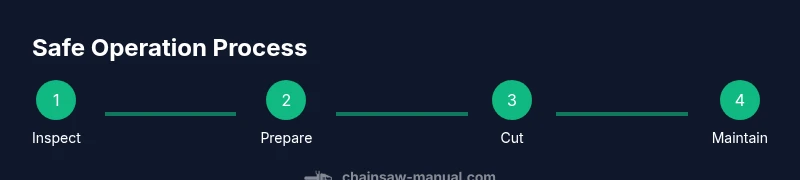
- 1
Inspect and prepare
Put on full PPE, inspect the bar and chain, check chain tension, and verify fuel and oil levels. Confirm the starting controls operate smoothly and the chain brake is engaged before you begin.
Tip: Always do a quick check for loose nuts and signs of chain damage before starting. - 2
Set up a safe stance
Position your feet shoulder-width apart, left foot forward, hands on the handles, and keep the saw near the ground when idle. Ensure the work area is clear of bystanders and obstacles.
Tip: Keep a clear retreat path in case the wood splits or shifts unexpectedly. - 3
Start procedure
Engage the chain brake, prime or choke as needed, and pull the starter rope with smooth, steady pulls until the engine fires. Move the choke to run and let the engine settle before cutting.
Tip: If the saw doesn’t start after several pulls, don’t force it—check for flooded carburetor or stale fuel. - 4
Begin cutting
Make shallow, controlled cuts in small chunks to avoid binding. Use the full length of the bar and avoid leaning on wood that causes kickback.
Tip: Never cut above shoulder height; keep the bar within your stable range. - 5
Maintain and adjust
Check chain tension after each few minutes of cutting; retension if the chain slows or drags. Monitor engine temperatures and avoid prolonged, continuous cuts that heat the engine.
Tip: Between cuts, idle the engine briefly to cool without letting it run excessively. - 6
Post-use care
Clean the air filter, wipe sap and dust from the exterior, and inspect for wear. Drain or stabilize fuel if storing for an extended period and store logs away from the saw.
Tip: Document any unusual behavior to address during next maintenance cycle.
FAQ
What is the Chainsaw 070 and what tasks is it best for?
The Chainsaw 070 is a traditional, mid-sized saw favored for its balance and torque. It can handle felling, limbing, and bucking when properly maintained and used with safe cutting techniques.
The Chainsaw 070 is a classic mid-sized saw great for felling, limbing, and bucking when well maintained.
What PPE should I wear when using the 070?
Wear a helmet with face shield, hearing protection, cut-resistant chaps, gloves, and sturdy boots. PPE reduces injury risk from kickback, flying debris, and accidental contact.
Always wear your helmet, eye and ear protection, gloves, and cut-resistant chaps before starting.
How do I start the 070 safely?
Engage the chain brake, confirm fuel and oil are adequate, check chain tension, and follow the specific starting procedure for this model. Do not jerk the rope aggressively; use controlled pulls until the engine fires.
Engage the brake, check fuel, tension the chain, and start with calm, controlled pulls.
What maintenance routine does the 070 require?
Regularly clean the air filter, inspect and sharpen or replace the chain, check spark plug, and ensure proper lubrication. Document wear and schedule professional checks for aging components.
Keep the air clean, chain sharp, and lubrication steady, with occasional professional checks.
When should I seek professional help for the 070?
If you notice persistent starting issues, unusual noises, excessive smoke, or fuel system problems that don’t respond to basic maintenance, consult a qualified technician.
If problems persist after basic checks, contact a professional.
Watch Video
The Essentials
- Wear full PPE every time you operate the 070.
- Inspect and prepare the saw before each use to prevent failures.
- Use correct fuel/oil and maintain chain tension for safety and performance.
- Cut with controlled technique to minimize kickback risk.
- Follow a routine maintenance plan to extend saw life.