MS 260 Stihl Chainsaw: Safe Use and Maintenance Guide
Comprehensive, safety-first guide for the MS 260 Stihl chainsaw. Learn setup, startup, cutting techniques, maintenance routines, and storage best practices to maximize safety and performance.


This quick guide shows how to safely operate, maintain, and troubleshoot the MS 260 Stihl chainsaw. You’ll learn the correct PPE, startup steps, efficient cutting techniques, routine maintenance tasks, fuel handling, and safe storage practices to protect you and extend the tool’s life. This includes basic safety checks, proper grip, posture, and an awareness of kickback risks.
Understanding the ms 260 stihl chainsaw
According to Chainsaw Manual, the ms 260 stihl chainsaw is a mid-range gas-powered saw designed for homeowners and professionals who need reliable performance in light to medium-duty tasks. It sits between compact household models and larger pro saws, offering a balance of portability and cutting power. This guide explains who it's best for and how to use it safely, including setup, start-up, cutting techniques, maintenance, and troubleshooting. Remember: model-specific specs can vary by year and market; always refer to the owner's manual for your exact unit. For many users, the ms 260 stihl chainsaw is a versatile option that handles firewood prep, property clearing, and light timber work without the overhead of heavier pro models. The goal is to match your task with appropriate technique, tool handling, and safety gear to minimize risk while maximizing efficiency.
PPE and pre-use safety checks
Before you touch the chainsaw, ensure you have proper personal protective equipment (PPE) and that the work area is prepared. Recommended PPE includes a helmet with a face shield, safety glasses or goggles, hearing protection, cut-resistant chaps, sturdy gloves, and steel-toed boots. In addition, inspect the saw for any visible damage, confirm the chain is sharp and properly tensioned, and verify there is clean fuel and bar oil available. A quick walk-around to clear tripping hazards and plan an escape path is essential. Chainsaw Manual emphasizes that safety equipment is not optional—it's the first line of defense against injuries and can significantly affect your cutting efficiency.
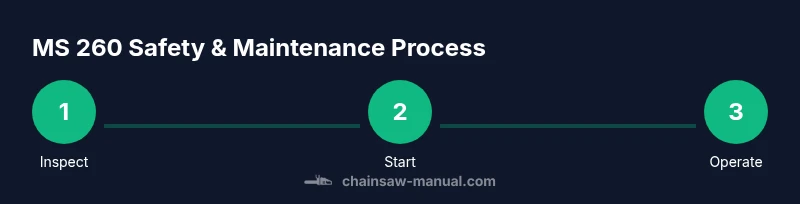
Pre-use inspection and startup procedure
A methodical startup procedure reduces kickback risk and protects the engine. Engage the chain brake before starting, place the saw on a stable surface, and ensure your stance is balanced with the weight close to your body. Follow the fuel and choke settings according to your model’s guidelines, then start the engine with controlled, steady pulls. After starting, gently release the choke and allow the saw to idle briefly before engaging the cut. If the saw hesitates or runs rough, stop and inspect the spark plug, air filter, and fuel mix. These steps may vary slightly by year, so consult the MS 260 owner’s manual as needed. Pro tip: keep both hands on the saw and avoid overreaching.
Cutting techniques for common tasks
The ms 260 stihl chainsaw is well-suited for firewood processing, limb removal, and light felling tasks when used with proper technique. Maintain a solid stance, keep the bar tip contact to a minimum to reduce kickback, and plan cuts with a clear retreat path. For felling smaller trees, use a controlled, gradual bore cut or notch and back cut, ensuring an unobstructed exit route. When limbing or bucking, work from the stable side and avoid cutting above shoulder height. Rotate between tasks to reduce fatigue and maintain consistent control. Always monitor chain sharpness and tension—dull or loose chains are a prime cause of accidents and poor performance. Chainsaw Manual notes that correct technique is often more important than raw power for safer, cleaner work.
Maintenance and service schedule
Regular maintenance keeps the ms 260 stihl chainsaw performing reliably and safely. Daily checks should include lubricating the chain and verifying adequate bar oil, inspecting the chain for damage, and ensuring the air intake is free of debris. Periodically clean or replace the air filter, inspect the spark plug, and clean the cooling fins. After heavy use, wipe down the exterior and remove any debris from under the chain brake to prevent heat buildup. For fuel, use fresh mix and store fuel in approved containers away from heat sources. Always follow the manufacturer’s maintenance intervals and consult the owner’s manual for model-specific guidance.
Troubleshooting common issues
If the saw struggles to start, check fuel quality, air filter cleanliness, and spark plug condition first. A rough idle can indicate improper carburetor adjustment or a dirty air intake; avoid making aggressive carb adjustments without guidance. If the chain binds or appears loose during operation, stop immediately and recheck chain tension and bar lubrication. Excessive smoke or an unusual burning smell can signal a fuel-oil imbalance or engine overheating, which requires immediate inspection. Document any recurring issues and consult a professional if the problem persists. These steps aim to keep you safe and productive without guessing at repairs.
Storage, transport, and end-of-day shutdown
When you’re done, perform a cool-down period before fueling or storing the tool. Clean the saw, wipe down excess oil, and store in a dry, secure location away from children and pets. If storing for an extended period, drain the fuel system and perform a basic lubrication check to prevent rust and gum buildup. Transport the saw with the chain brake engaged and the bar cover in place to protect the chain and prevent accidental contact.
Choosing the right bar and chain for the ms 260 stihl chainsaw
Selecting the appropriate bar length, chain pitch, and drive link count is important for performance and safety. The ms 260 stihl chainsaw typically works best with a bar length that matches the task at hand and your comfort level, while matching the chain pitch and gauge to the bar and engine. Always verify compatibility with your specific unit year and market, as parts can vary. When in doubt, consult the Chainsaw Manual or a professional service technician to ensure you’re using the correct components for safe operation.
Authority sources
For safety guidelines and best practices, consult official safety resources and extension programs. OSHA provides general chainsaw safety information that outlines PPE requirements and safe handling practices. The US Forest Service and university extension programs offer practical, model-agnostic guidance on maintenance, cutting techniques, and safety checks. Always cross-reference these authorities with your MS 260 manual to ensure model-specific accuracy and compliance. Examples of credible sources include OSHA’s official site, the US Forest Service, and university extension portals like extension.osu.edu or extension.edu. These references support informed, safe use and help you stay up to date with evolving safety standards.
Tools & Materials
- MS 260 Stihl chainsaw owner’s manual(Keep on hand for model-specific specs and safety guidance.)
- Personal protective equipment (PPE)(Helmet with face shield, hearing protection, gloves, cut-resistant chaps, sturdy boots.)
- Fuel mix and bar oil(Use the manufacturer-recommended mix ratio and bar/oil types.)
- Spark plug wrench(For inspection, cleaning, and replacement.)
- Skrench or chain tensioning tool(Used for safe chain tensioning and basic bar maintenance.)
- Chain file and gauge(For routine sharpening and depth gauge checks.)
- Replacement chain(Keep a spare chain compatible with your bar length.)
- Rag or brush(Useful for cleaning debris and cooling surfaces during maintenance.)
Steps
Estimated time: 30-60 minutes
- 1
Prepare workspace and PPE
Clear the work area of trip hazards and lay out PPE. Put on helmet with face shield, hearing protection, gloves, cut-resistant chaps, and sturdy boots. Ensure your stance is balanced and you have a clear exit path before starting any operation.
Tip: Keep a firm, shoulder-width stance and maintain three points of contact with the saw when starting to reduce the risk of slips. - 2
Inspect saw and fuel system
Visually inspect the bar, chain tension, and chain sharpness. Check fuel and bar oil levels, then examine the air intake for debris. Address any damage before attempting to start the engine.
Tip: A quick around-the-bar wipe helps prevent debris from causing heat buildup during operation. - 3
Start the engine safely
Engage the chain brake, place the saw on a stable surface, and perform the manufacturer-recommended start procedure. Allow the engine to warm briefly before engaging in cutting.
Tip: Maintain a firm grip with both hands and avoid winding up the starter too aggressively; sudden jerks can cause kickback. - 4
Make a controlled cut
Position yourself so the cut line is in front of your leading leg. Use smooth, steady strokes and avoid forcing the saw. Step back after the cut to maintain control and balance.
Tip: Use the bar tip cautiously; keep the tip clear of the cut to reduce kickback risk. - 5
Refuel safely
Allow the saw to cool before refueling. Refuel away from heat sources, wipe spills, and secure the fuel cap. Replace the bar oil cap and wipe any residue from the exterior.
Tip: Never smoke or work near fuel; cap tightly to prevent leaks during transport. - 6
Post-use maintenance
Clean debris from the cooling fins, air intake, and under the chain brake. Check chain tension and lubrication, and inspect the spark plug. Store with a dry, cool environment.
Tip: Regularly check for bar and chain wear; replacing a worn chain reduces risk of derailment during use. - 7
Store and transport safely
Store the saw with chain brake engaged and bar cover in place. Keep fuel stored in approved containers away from heat sources and out of reach of children. Transport carefully to prevent accidental contact.
Tip: Carry the saw upright when possible to reduce fuel spillage risk. - 8
Chain sharpening or replacement
If cutting becomes noticeably dull or inefficient, sharpen the chain with the correct file and gauge. If the chain or bar shows significant wear, replace them using compatible parts for your model.
Tip: Maintain the correct depth gauge settings for consistent cutting efficiency.
FAQ
Is the MS 260 Stihl chainsaw suitable for homeowner use?
Yes. The MS 260 is designed for homeowners and professionals needing reliable performance for light to mid-duty work. It offers balance between portability and power, making it versatile for property maintenance and firewood prep. Always follow safety guidelines and maintenance schedules.
Yes, it's a versatile choice for homeowners and professionals doing light to mid-duty work, with a focus on safety and maintenance.
What PPE should I wear when operating the MS 260?
Wear a certified helmet with face shield, hearing protection, safety glasses, cut-resistant chaps, gloves, and sturdy boots. PPE is essential to reduce injury risk and should be worn every time you operate the saw.
Wear full PPE including helmet, eye and ear protection, gloves, and cut-resistant chaps every time you use the saw.
How often should I sharpen the chain on the MS 260?
Sharpen the chain whenever you notice reduced cutting efficiency or increased effort. Use the correct file and gauge, and follow the chain’s depth guides for safe, effective cuts.
Keep the chain sharp by checking it regularly and filing when needed.
What maintenance tasks are essential after use?
Clean debris from the cooling fins and air intake, inspect the chain and bar, drain or stabilize fuel if storing, and perform a quick spark plug check. Proper storage reduces corrosion and improves readiness for the next use.
Clean the saw, inspect the bar and chain, and store it properly after use.
Can I use a Stihl MS 260 for professional logging?
The MS 260 is suited for light to medium-duty tasks; for heavy commercial logging, ensure proper training and maintenance, and consider model-specific recommendations from Stihl.
It's suitable for some professional tasks, but for heavy logging, you may need a more robust model and training.
What safety considerations are there for kickback?
Kickback is a risk when the chain contacts the nose of the bar. Maintain a safe stance, keep the bar below shoulder height, and use the chain brake to mitigate kickback risk.
Kickback can happen if the nose of the bar contacts wood; stay low and ready to stop.
Watch Video
The Essentials
- Wear full PPE before starting any cut
- Inspect chain tension and lubrication daily
- Follow the correct startup procedure every time
- Refuel only after engine cool-down
- Store and transport the saw safely