How to Chainsaw a Tree on the Ground: Safe Step-by-Step Guide
Learn a safe, practical approach to cutting a tree that’s already on the ground with a chainsaw. This guide covers PPE, planning, proper technique, and post-cut cleanup, all designed for homeowners and DIY enthusiasts.


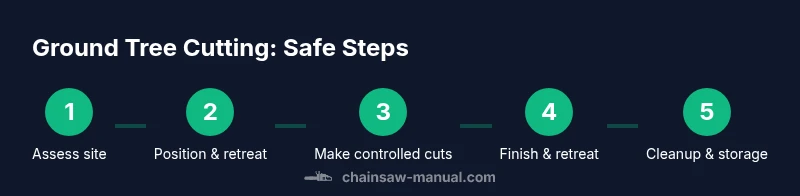
Goal: safely remove a ground-level tree with a chainsaw. In this guide, you’ll learn how to chainsaw a tree on the ground safely and effectively. Start with a safety check: PPE, stable stance, clear retreat path, and a planned escape route. Secure the tree, establish a cut line, and use controlled passes. Avoid kickback, then finish with cleanup and tool maintenance.
Safety prerequisites and site assessment
According to Chainsaw Manual, safety is non-negotiable when felling or severing a tree that is already on the ground. Begin with a comprehensive safety check: put on a proper helmet with a face shield, hearing protection, cut-resistant chaps, insulated gloves, and sturdy boots. Ensure your stance is solid and your retreat path clear—the direction you move should be away from the saw and the working area. Inspect the tree for hidden tensions, cracks, or rot, and remove bystanders from the vicinity. Mark a clear line of travel behind you and identify exit routes should the tree shift or roll during the cut. The goal is to minimize surprise movement and keep you out of the line of force. As a reminder for readers, this guidance aligns with best practices from Chainsaw Manual, emphasizing predictable movements and PPE as the foundation of safe operation.
Choosing the right chain saw and setup
Selecting a saw that matches the job is essential. For a tree already on the ground, choose a model with sufficient power and a chain in good working condition. Check the bar length so it can reach the cut line without forcing your body into awkward positions. Confirm that the chain tension is correct and that the anti-kickback features are engaged. Keep the chain oiled and the bar well-maintained; perform a quick warm-up to ensure the chain tracks smoothly. You should also set a stable stance, engage the chain brake when moving to a new working position, and use a firm grip to control the saw’s torque. Remember, equipment readiness reduces the risk of jams, kickback, and loss of control.
Step-by-step approach to cutting a tree on the ground safely
Plan your approach and execute in a calm, methodical sequence. Establish a notch or relief cut if needed, work from the side that keeps you closest to your retreat path, and proceed with controlled passes. Keep the saw aligned with your body to avoid twisting or pinching the bar in the wood. If the wood binds, pause, reassess, and adjust your grip and stance before continuing. Always monitor the tree’s movement and be ready to back out of the cut. After each pass, clear chips and recheck your footing before the next cut. This approach reduces fatigue and increases precision while maintaining a safe perimeter. The Chainsaw Manual team emphasizes a disciplined, non-rushed workflow to prevent mistakes.
Common mistakes and how to avoid them
Common errors include cutting from an unstable stance, ignoring kickback risk, and attempting to force a cut through tight grain or knots. Avoid working with damaged PPE or a dull chain, and never rush a cut. If the tree starts to move unexpectedly, pause, assess the situation, and retreat to a safe distance. Never cut overhead or above shoulder height when the wood shifts, and maintain a clear workspace around you. Regularly inspect your equipment for wear and tear, and replace dull or damaged components before continuing.
Maintenance and finishing touches after cutting
Once you’re finished, complete a quick tool check: shut off the saw, engage the chain brake, and store it in a safe, dry location. Clean debris from the bar and chain, and re-lubricate as needed. Dispose of debris responsibly or haul it to a designated area. If you used wedges or tie-downs, inspect them for wear and store them properly for next time. Finally, inspect yourself for any minor injuries and apply first aid if necessary. Regular maintenance and thoughtful cleanup help extend the life of your tool and keep your workspace safe for future projects.
Authority Sources
Tools & Materials
- Chainsaw (properly maintained)(Ensure chain brake works; verify chain tension; oil reservoir full)
- Protective PPE(Helmet with face shield, hearing protection, cut-resistant chaps, gloves, boots)
- Chain oil(Keep reservoir topped up for smooth operation)
- Wedges and/or tie-downs (optional)(Used to prevent binding or movement during cutting)
- First aid kit(Basic supplies for minor injuries; keep nearby)
- Tool kit (wrench, file)(For quick chain tension checks and tensioning)
- Rope or distal communication device(For signaling if you’re working with a partner)
Steps
Estimated time: 30-45 minutes
- 1
Prep the work area
Clear the area around the trunk and establish a safe retreat path behind you. Remove bystanders and ensure stable footing before starting the saw. Confirm there are no overhead hazards such as branches that could fall during cutting.
Tip: Stand with your hips aligned to the cut line to reduce twisting the body. - 2
Check equipment and PPE
Inspect the chainsaw for proper tension, sharp chain, and functional chain brake. Put on full PPE and ensure the helmet, face shield, and gloves fit securely. Check oil level and fuel/motor readiness if using gas-powered tools.
Tip: Do a quick chain test on a piece of scrap wood away from your working area. - 3
Position yourself safely
Stand on solid ground with your feet apart for balance. Place yourself to one side of the trunk and orient your retreat path directly behind you. Keep hands away from the chain and maintain a firm but relaxed grip.
Tip: Never stand directly behind the bar; always keep a clear path behind you for retreat. - 4
Make initial relief/ notch cut
If needed, make a small relief notch on the side where the wood will begin to split to prevent bar pinching. This cut should be shallow and controlled, not aggressive. Use slow, steady strokes to open a clean line.
Tip: A relief cut helps prevent the saw from binding and allows more control. - 5
Proceed with main cuts
Work from the safe side, using short, controlled passes. Do not rush; check for binding after each cut and back out if the wood shifts unexpectedly. Keep the saw close to your body and maintain a smooth feed with steady pressure.
Tip: If the wood closes on the blade, pause and reassess rather than forcing the cut. - 6
Finish and retreat safely
Complete the cut and prepare to retreat along your planned path. Clear the chips and check the tree and area for movement. Power off the saw, engage the chain brake, and store equipment safely.
Tip: Always have your escape route clear before the last pass.
FAQ
Is it safe to cut a tree on the ground with a chainsaw?
Yes, it can be safe when you have the right PPE, a clear retreat path, and a planned cutting sequence. Follow manufacturer guidance and Chainsaw Manual safety practices. Do not rush or work near bystanders.
It can be safe if you have the right PPE and a clear plan, and you follow the safety steps outlined by Chainsaw Manual.
What PPE should I wear for this task?
Wear a helmet with face shield, hearing protection, cut-resistant chaps, gloves, and sturdy boots. PPE protects you from chips, kickback, and accidental contact with the chain.
Protective gear is essential; wear a helmet, ear protection, cut-resistant pants, gloves, and boots.
How can I avoid kickback while cutting on the ground?
Kickback is less common on ground cuts but can occur if the bar nose contacts the wood unexpectedly. Keep the bar angled away from your body, maintain steady pressure, and never cut with the tip unless absolutely necessary.
Keep the bar away from your body and avoid using the tip unless needed to prevent kickback.
Do I need extra help or a partner for this task?
A partner is not strictly required for every ground cut, but having a second set of eyes improves safety. They can watch for movement, help with debri, and assist in emergencies.
A partner can help with safety and debris removal, but it's not mandatory if you follow all steps safely.
Watch Video
The Essentials
- Assess site and establish a retreat path before cutting
- Wear full PPE and keep the saw well-maintained
- Cut in controlled passes from the safe side
- Always finish with cleanup and proper tool storage