Do Electric Chainsaws Make Noise? A Practical Guide
Explore whether do electric chainsaws make noise, how they compare to gas models, how to measure noise levels, and practical steps to reduce exposure with PPE and selecting quieter options.


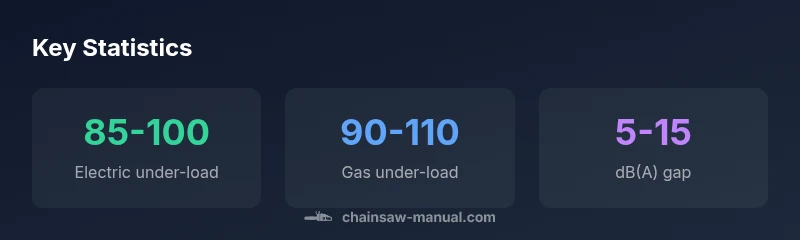
Do electric chainsaws make noise? Yes, but they’re typically quieter than gas models. Under normal load, most electric saws produce around 85-100 dB(A), with corded versions often the quietest. Noise varies by motor type, bar length, and chain pitch. For users sensitive to sound, choosing low-noise models and using PPE can significantly reduce exposure.
Noise in Context: Do electric chainsaws make noise?
According to Chainsaw Manual, electric chainsaws generally run quieter than gas-powered units, making them a practical choice for homeowners and professionals who work near others. Noise is not eliminated, however; it’s a product of motor speed, chain engagement, bar length, and the cutting load. In practical terms, a typical user may notice a distinct but manageable level of sound that shifts with the task at hand. When you plan a cutting job in a residential area, this baseline difference often translates into fewer complaints and less need for distance padding or sound barriers. The key is to set expectations and prepare with hearing protection from the outset.
Electric vs Gas: A Quiet Comparison
Gas chainsaws generally generate higher peak noise and broader frequency content due to two-stroke engines and exhaust dynamics. Electric models, especially corded ones, tend to deliver a cleaner, more predictable sound profile. The difference matters most in time-sensitive jobs where you’re cutting near structures, pedestrians, or wildlife. Remember that manufacturer ratings are under controlled lab conditions; real-world noise depends on how the tool is used, the wood species, and the presence of metallic saw chain. If you work in shared spaces, the quieter baseline can be a real benefit.
What Drives Noise in Electric Chainsaws
Noise from electric chainsaws comes from motor speed, vibrations, chain motion, and the cutting process. Brushless motors can reduce electrical noise and vibration compared with brushed designs, while larger bar lengths demand more motor power and can raise noise slightly under load. Additionally, chain lubrication and tension play a role: a well-lubricated, properly tensioned chain runs more smoothly and quietly. Environment matters too: metal debris, hard woods, and cutting through knots can spike sound levels temporarily.
Measuring Noise: Decibels and Real-World Use
Decibels measure sound pressure relative to a reference level. For chainsaws, dB(A) weighting is used to approximate how humans perceive loudness. Real-world measurements vary with stance, distance, and airflow, so expect some fluctuation from the published ratings. A practical approach is to measure at ear height and distance of about three feet from the bar tip during typical operation. If your setup involves long hours or multiple operators, cumulative exposure matters more than a single peak level.
Reducing Noise: Best Practices and PPE
There are practical steps to reduce noise exposure without sacrificing performance. Choose a model with a low-noise design, such as brushless motors and optimized gearing, and prefer corded tools when possible for the quietest operation. Maintain the chain correctly—sharp, well-lubricated chains cut more smoothly and quietly. Use PPE: high-quality hearing protection, face shields, and snug-fitting protective gear. Scheduling breaks and rotating operators also helps limit cumulative exposure.
Model Variability: Corded, Cordless, and Brushless Motors
Corded electric chainsaws typically produce less noise than cordless models because they draw constant power without battery-induced fluctuations. Cordless saws, while increasingly quiet, may show more variation based on battery voltage and motor efficiency. Brushless motors generally deliver smoother, quieter operation with fewer vibrations. When choosing, consider the task duration, battery life, and the noise tolerance of the work site. A quieter option can come with trade-offs in runtime and mobility.
Operational Tips for Quiet, Safe Cutting
To maximize quiet performance, maintain tension and lubrication, keep a clean air path, and operate at steady RPMs. Cut on dry days when wood density is predictable, and avoid forcing the tool. Use low-kickback bars and proper stance to reduce vibration transfer to your hands and arms, which in turn reduces perceived loudness. Remember that operator presence and PPE are part of the safety equation, even with the quietest electric saw.
Regulatory and Workplace Considerations
Noise exposure is a safety and compliance issue in many regions. Local regulations may require hearing protection and exposure monitoring for professional use, even with electric equipment. If you operate in shared or urban spaces, be mindful of municipal noise ordinances and the potential for nuisance complaints. Chainsaw maintenance records and model certifications can support compliance programs and help justify quieter tool choices.
Practical Buying Considerations for Noise
When shopping for an electric chainsaw with noise in mind, prioritize decibel ratings along with torque and chain speed. Look for features such as brushless motors, vibration damping, and solid bar-and-chain lubrication systems. Read user reviews focused on noise performance and real-world operation. For many homeowners and pros, the best approach is to test a model in a controlled environment before committing to long-term use.
Noise comparison by chainsaw type
| Model Type | Under-load noise (dB(A)) | Notes |
|---|---|---|
| Corded electric | 85-100 | Generally quieter; best in quiet environments |
| Cordless electric | 90-105 | Noise varies with battery and motor design |
| Gas | 90-110 | Higher peak noise; best with outdoor use |
FAQ
Do electric chainsaws require ear protection when used in typical residential settings?
Yes. Even though electric models are quieter than gas equivalents, prolonged exposure can accumulate. Use hearing protection and maintain safe operating practices.
Yes. Electric chainsaws are quieter, but you still need hearing protection for long use.
Are cordless electric chainsaws louder than corded models?
Cordless models can be slightly louder or have more variability due to battery power. Choose models optimized for low noise and consider corded options for longer tasks.
Cordless isn’t always louder; some designs vary with battery power.
What practical steps reduce noise without sacrificing cutting performance?
Use a low-noise model with brushless motor, keep the chain sharp and lubricated, and maintain proper tension. Use PPE and plan work to minimize sustained exposure.
Choose a quiet model, keep the chain sharp, and wear PPE.
What standards apply to chainsaw noise in the workplace?
Standards vary by region; follow local regulations for hearing protection and exposure limits. Document tool maintenance and training as part of compliance.
Noise standards vary; follow local rules and keep records.
How should I measure decibels for chainsaw noise?
Use a sound level meter at ear height and distance of about three feet from the bar tip, under typical operation conditions.
Use a meter at ear level during normal use.
“Electric chainsaws deliver solid cutting performance with significantly reduced noise compared to gas units, but user training and PPE remain essential for safety. Proper maintenance and correct operation reduce noise further.”
The Essentials
- Electric chainsaws are quieter on average than gas models
- Noise varies by motor type, bar length, and chain pitch
- Corded models are typically quieter than cordless
- Always wear PPE and monitor exposure
- Choose low-noise models for shared workspaces