DIY Chainsaw Prop: Safe Realistic Build for Film & Cosplay
Learn to craft a safe, convincing diy chainsaw prop with a step-by-step guide, materials, safety tips, and finishing touches for film, cosplay, or theatre.


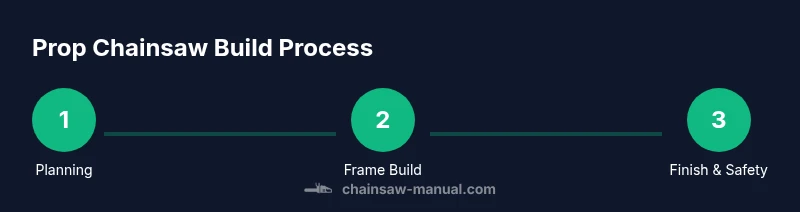
You will learn to build a safe, convincing diy chainsaw prop using non-functional materials. The guide covers materials, safety gear, assembly steps, and finishing touches suitable for film, cosplay, or stage use. It emphasizes safety, realistic finishes, and clear labeling to prevent misuse on set. Follow the steps for planning, assembly, and final checks to ensure a credible, non-hazardous prop.
Why a Safe, Realistic Diy Chainsaw Prop Matters
In film, theater, and cosplay, a convincing prop can elevate a scene, but realism must never come at the expense of safety. This diy chainsaw prop guide emphasizes designing for non-functional operation, avoiding sharp blades, and using inert materials that read convincingly on camera. According to Chainsaw Manual, safety-first design is essential for any prop that imitates a tool with potential hazards. When you plan your prop, think about how it will be used: will an actor handle it during choreography, or will it sit on a stand as a prop piece? The visual goal is realism, not a functioning tool. Emphasize scale, color, texture, and weight distribution so that the prop feels authentic in close-ups and wide shots alike. For best results, source lightweight materials like foam, foam-core, or resin-coated plastics rather than metal parts. This reduces fatigue for performers and minimizes the chance of accidental injury during rehearsals and shoots. By prioritizing safety, you create a prop that supports the story without introducing risk to cast, crew, or bystanders. The Chainsaw Manual team notes that most of the audience’s perception comes from subtle cues—blade width, handle shape, and surface weathering—so plan each detail deliberately.
Here we set the foundation: the upcoming sections will outline materials, assembly steps, finishing touches, and on-set guidelines that yield a credible diy chainsaw prop while staying within safe, responsible practice.
Materials and Safety Essentials for a Chainsaw Prop
Choosing the right materials is the backbone of a safe, credible diy chainsaw prop. Start with lightweight, rigid cores such as EVA foam or foamboard for the body, plus a lightweight frame using PVC pipe or wooden dowels to simulate a real saw’s heft without creating danger. For the “blade,” avoid any sharp edge by using a non-cutting silhouette: foam, plastic sculpted to resemble metal, or a rubberized edge that looks the part on camera. Adhesives should be non-toxic and easy to clean; hot glue provides quick, strong bonds, while contact cement offers longer-lasting joints. Finishing paints should include metallic silver or gunmetal, with weathering layers to simulate oil stains, scratches, and wear. Clear sealant protects your paint from chipping during handling. PPE is non-negotiable on every project: safety glasses, gloves, and a respirator when sanding, painting, or applying finishes. When designing, consider color consistency under different lighting: plain silver can look flat on dark sets, while adding subtle patinas enhances realism. Plan to label the prop clearly as a non-functional tool to avoid confusion on set. According to Chainsaw Manual, keeping edges blunt and labels visible reduces risk and reinforces safety.
Design Considerations: Realism Without Risk
To achieve believability without danger, study blade silhouette, tooth imitation, handle ergonomics, and how light interacts with finishes on camera. The prop should suggest a working unit without a functional chain or sharp edge. Use sculpted foam teeth or segmented plastic to simulate a chain’s impression under light; paint with layered metallics and dry-brush textures to reproduce wear. The handle shape should feel natural in an actor’s grip, but avoid any real cutting surfaces or mechanisms. Consider alternative materials for the “saw chain” impression, such as raised ridges on foam or textured tape that catches highlights on set lights. Always ensure that any moving parts are strictly non-functional and that all components are securely fixed to avoid loose pieces. As you plan, think about how the prop will be stored between takes and how it will look in long shots vs. close-ups. The goal is a cohesive look that reads as authentic on screen while remaining safe for performers and crew.
Planning the Build: Size, Ergonomics, and Set Requirements
Start with a clear blueprint and scale model of your prop. Determine overall length, weight distribution, and how it will be worn or held. If the prop will be mounted or used in stunts, design a lightweight core with foam and a stub blade that reads as metal in the right lighting. Ergonomics matter: the grip should be comfortable for extended wear, not overly slippery, and positioned to avoid fatigue during choreography. For cosplay or stage use, the prop’s silhouette should be instantly readable from a distance; test on-camera silhouettes with a quick mock-up. Plan for maintenance between takes: legible labels indicating non-functionality and simple cleaning steps help crew stay compliant with safety protocols. On-set, ensure all materials comply with venue policies and local regulations for prop weapons. Chainsaw Manual emphasizes that controlled, conservative approaches to realism reduce risk while preserving audience immersion.
Finishing Touches: Texture, Weathering, and Display
Finish the prop with textures that mimic metal, plastic, and rubber without exposing any sharp edges. Use multiple coats of metallic paints, followed by washes of dark browns and blacks to simulate oil and grime. Dry-brushing highlights along edges create specular highlights under film lighting and trick the eye into reading depth and weight. If your prop needs a display stand or mount, design a safe, stable base that keeps the blade from swaying. Weathering should be even and controlled, avoiding oversaturation that would distract from the scene. For authenticity, add small scratches and scuffs in expected wear areas such as the blade’s edge and the handle. Label the finished prop as non-functional for quick on-set checks. The Chainsaw Manual team recommends rehearsing with the prop under the same lighting encountered on set to confirm readability and safety before production days.
Safety, Legal, and On-Set Guidelines
A diy chainsaw prop must stay clearly non-functional and compliant with venue safety rules. Always wear PPE during construction and transporting the prop. Inspect for loose parts and potential choking hazards; secure all fasteners, cords, and decorative elements. Use bright, visible warning labels on the prop to indicate non-functionality, especially when filming in public spaces or around crowds. If filming involves stunts or choreography, coordinate with the stunt team and director to map out each movement, ensuring the prop remains at a safe distance from actors during all takes. Some jurisdictions require permits or notifications for props that resemble weapons; obtain guidance from local authorities or production safety officers ahead of time. The Chainsaw Manual emphasizes that responsible handling of prop tools protects cast, crew, and the audience, preserving the integrity of the production.
Cost, Time, and Budgeting for a Diy Chainsaw Prop
A well-planned diy chainsaw prop can stay within a modest budget and reasonable timeline. Expect to allocate funds for core materials like foam, PVC, paints, and fasteners, plus a small reserve for tools and safety gear. Time-wise, a careful build can range from a few hours of bench work to a full weekend of sanding, painting, and detailing, depending on complexity and finish level. Prioritize investing in quality finishing materials to achieve a realistic look on camera and to minimize touch-ups. Consider whether you want a durable version for repeated shoots or a lighter, single-use prop for cosplay. Keeping expectations aligned with your production timeline helps prevent last-minute rush costs and potential safety compromises. Chainsaw Manual’s guidance highlights that prudent planning reduces waste and ensures a prop that looks authentic while remaining safe and compliant.
Authoritative Sources and Further Reading
For safety guidelines and best practices related to prop creation, consult authoritative sources:
- https://www.osha.gov
- https://www.cdc.gov
- https://www.nps.gov
These resources provide general safety standards and risk considerations that can inform your diy chainsaw prop project and help ensure on-set compliance. Always tailor safety measures to your specific production environment and local regulations.
Tools & Materials
- EVA foam sheets(½–1 inch thick for blade and body)
- PVC pipe or wooden dowels(Lightweight core for frame)
- Hot glue gun and sticks(Strong bonds; quick setup)
- Dremel or rotary tool(Shaping foam, detailing)
- Contact cement(Stronger joints when needed)
- Acrylic paints (silver, gunmetal, black)(Base and weathering colors)
- Clear sealant(Protects paint from chipping)
- PPE: safety glasses, gloves, respirator(Mandatory for sanding/painting)
- Craft foam or edge trim(To simulate teeth/edges)
- Measuring tape and ruler(Maintains accurate scale)
- Sandpaper (various grits)(Smooth joints and edges)
- Heat gun(Shape foam as needed)
- Marker or chalk(Marking layout)
- Cable ties or small fasteners(Temporary holds during assembly)
Steps
Estimated time: 4-6 hours
- 1
Plan and safety check
Define prop dimensions and finalize a safe, non-functional design. Gather PPE and tools before beginning to avoid mid-project interruptions.
Tip: Review the director’s shot list to ensure the prop reads well on camera. - 2
Create the core frame
Cut and assemble a lightweight core using EVA foam and PVC dowels to establish length, grip position, and overall balance.
Tip: Keep the weight centered toward the grip to reduce arm fatigue. - 3
Craft the blade illusion
Shape a blade silhouette from foam or plastic, adding texture with sanding and paint to mimic metal without any cutting edge.
Tip: Avoid sharp edges; every edge should be blunt. - 4
Assemble the handle and grip
Attach a comfortable grip using foam and glue; ensure the grip sits naturally in the hand and does not interfere with actor movement.
Tip: Test with a padded glove to confirm fit. - 5
Apply finishes and weathering
Base coat, then layered metallics with washes to create depth; finish with a matte sealant for film-ready texture.
Tip: Use light coats to prevent pooling and keep the look consistent under lighting. - 6
Safety test and on-set prep
Inspect joints, remove any sharp protrusions, and label clearly as non-functional. Run rehearsals with actors to validate handling and visibility.
Tip: Have a safety officer review the prop before filming begins.
FAQ
Is a diy chainsaw prop safe for on-set use?
Yes, when designed to be non-functional with blunt edges, clearly labeled, and constructed from lightweight materials. Always follow on-set safety guidelines and have a safety officer approve the prop before filming begins.
Yes. Use a blunt, lightweight prop and get safety approval before filming.
What materials are best for a convincing non-functional blade?
Materials like EVA foam, sculpted plastic, or foam-board painted with metallic finishes read convincingly on camera while remaining safe to handle. Avoid any real metal edges or sharp points.
Use foam or plastic that’s painted to look like metal and keep edges blunt.
Can I use real chainsaw components or blades for realism?
No. Real blades and moving parts introduce serious safety and legal risks on set. Use non-functional silhouettes and safe, inert materials to achieve the same look without hazard.
No—stick to safe, inert materials to avoid hazards.
How do I transport and store the prop safely?
Disassemble if possible, use a padded case, and keep sharp-looking parts secured to prevent shifting during transport. Inspect before each shoot and re-label if necessary.
Pack safely, inspect before shoots, and label clearly.
Are there legal considerations for using prop chainsaws in public venues?
Yes. Some locations require permits or notifications for weapons-resembling props. Consult local authorities and venue safety staff to confirm compliance before filming in public spaces.
Check local rules and get permits if needed.
How can I avoid accidents with actors when wearing the prop?
Ensure the prop has no moving sharp components, test actor fit with padding, and rehearse with the prop at reduced speeds. Have a safety scorecard for each rehearsal.
Rehearse with padding and keep everyone safe with clear checks.
Watch Video
The Essentials
- Plan safety-first before building.
- Use lightweight cores for balance and comfort.
- Create a convincing blade illusion without sharp edges.
- Label and test the prop on set to ensure safety and readability.