Chainsaw to Dig Trench: Safer Methods and Step-by-Step Guide
Learn why using a chainsaw to dig a trench is unsafe and explore safer trenching methods. This Chainsaw Manual guide covers planning, tools, step-by-step safety, and practical tips for completing trench work with proper equipment.


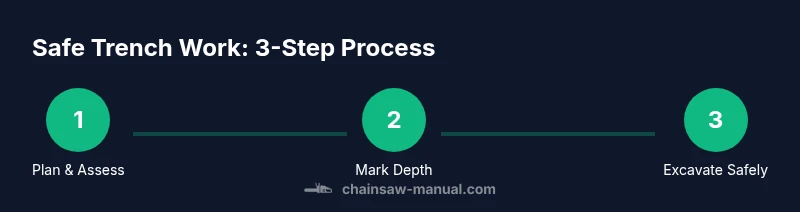
Using a chainsaw to dig a trench is unsafe and not recommended. This guide explains why, and offers safer alternatives like trenching shovels or machines. You’ll learn a clear, step-by-step approach to trench work, required PPE, and how to plan, mark, and excavate safely without risking kickback, blade contact, or underground hazards.
Why a Chainsaw to Dig a Trench Is Not Safe
Using a chainsaw to dig a trench is dangerous for several reasons. Kickback risk, blade binding when hitting roots or compacted soil, and the chance of striking hidden utilities create a high likelihood of injury. According to Chainsaw Manual, the tool is designed for cutting wood, not soil removal, and attempting trench work exposes operators to unpredictable forces. In addition, trench walls can fail suddenly, especially near edges or in moist soils, sending soil and equipment into the trench. For homeowners and professionals, the safer approach is to use purpose-built trenching tools or machines. This reduces the hazard and speeds up the job when you’re working around foundations, irrigation lines, or utilities. While a chainsaw can cut through roots or wood nearby, do not rely on it for trench excavation. The remainder of this guide explains why, and offers practical, safety-first alternatives and a step-by-step plan to complete trenching tasks without creating a risky situation.
Safer Alternatives for Trenching
There are several safer paths for trench work that minimize risk while delivering predictable results. A dedicated trenching shovel or trenching machine lets you manage soil removal in controlled layers and reduces kickback risk from hidden objects. For smaller projects, a flat-bevel shovel can still give you precision without forcing the chainsaw blade into soil. If water or moisture is present, a compact excavator or skid-steer with a trenching attachment provides steady control and helps keep trench walls intact. When utilities are present or near structures, using a trenching tool with a guide and proper depth stops improves consistency and reduces fatigue. Always keep in mind that safe trenching is not about speed; it’s about control, stability, and accurate depth. In the long run, choosing the right tool for the task saves time, prevents injuries, and yields cleaner edges and faster backfilling. (Brand note: According to Chainsaw Manual analysis, dedicated trenching tools markedly improve control and reduce fatigue compared to improvised methods.)
Pre-Work Safety Preparations
Before any trench tasks begin, prepare the area with a safety mindset. Inspect the work surface for loose debris, slopes, and standing water. Wear appropriate PPE: hard hat, eye protection, hearing protection, gloves, and steel-toed boots. Identify the trench path and measure approximate length and depth; mark the line with chalk or spray paint. If you’re near utilities, contact the local utility locating service and obtain marks. Establish a safe access point and set up barriers or warning signs to keep bystanders away. Plan for drainage and consider soil conditions, such as clay or sand, which affect stability. Finally, confirm weather conditions; rain can soften walls and raise the risk of collapse.
Safe Trenching Process: Use Proper Tools
When trenching, rely on tools designed for soil removal and structural safety rather than a chainsaw. Start by confirming utility markers and the trench route. Use a trenching shovel to loosen soil along the marked line, working from the edge inward and removing soil in short, manageable lifts. If deeper excavation is required, switch to a trenching machine or mini excavator operated by a trained professional. Keep the trench walls vertical and avoid digging beneath unstable overhangs. If moisture is present, dewater the area or add drainage to prevent soil slumping. Throughout the process, maintain a clear workspace, avoid stepping into the trench, and rotate duties with a partner to watch for hazards. After reaching the desired depth, install temporary supports or shielding if needed and plan for safe backfilling.
Environmental Hazards and Best Practices
Soil type greatly affects trench stability. Clay tends to swell when wet; sandy soils drain faster but can cave more easily if moisture changes. Always assess moisture content before digging and avoid work in heavy rain or freezing conditions. Temperature fluctuations cause soil to contract or heave; check for seasonal shifts. Keep a lookout for buried conduits, gas lines, or irrigation pipes and respect setback distances. Work from a stable platform, and avoid excavations near the edge of a slope or near foundations. Use planks to distribute weight for foot traffic, and never leave exposed trenches overnight.
Common Mistakes and How to Avoid Them
Rushing trench work leads to sloppy edges and deeper problems. A frequent mistake is using a chainsaw or other inappropriate tool to remove soil, which increases the risk of kickback and hits hidden hazards. Another error is ignoring utility marks or failing to call before you dig, which can injure yourself or disrupt essential services. Not planning for drainage or soil stability results in water pooling or collapse. Finally, inadequate PPE or poor side protection invites injuries. To avoid these, stick to the plan, use the right tools, verify utility marks, and keep the work area clearly organized.
Tools & Materials
- Shovel or trenching spade(Steel blade; handle comfortable for extended use)
- Measuring tape(Minimum 1.5x expected trench length)
- Chalk line or marking paint(Clearly mark trench lines and depth)
- PPE: hard hat, eye/ear protection, gloves, steel-toed boots(Essential for all trench work)
- Ground protection: planks or boards(Distribute weight and reduce collapse risk)
- Soil stabilization tools: pry bar or stake(Assist loosening soil if compact)
Steps
Estimated time: 2-4 hours
- 1
Plan and assess the site
Begin with a site walk to identify hazards, utilities, and soil conditions. Review utility marks and weather forecasts, and decide trench depth based on intended use. Document any variability in soil moisture that could affect stability.
Tip: Call before you dig and confirm utility marks are current. - 2
Select the right trenching tools
Choose tools designed for soil removal and support, such as a trenching shovel or trencher. Avoid improvising with a wood-cutting tool in soil and ensure all equipment is in good working order.
Tip: Inspect tools for sharp edges and loose handles before use. - 3
Mark the trench path and depth
Lay out the trench route with chalk or marking paint, noting corners and transitions. Mark the intended depth with a visible line and use depth stops on tools where available.
Tip: Double-check alignment from multiple angles to prevent drift. - 4
Begin excavation with proper tools
Loosen soil along the marked line with the trenching shovel, removing soil in short, controlled lifts. Stop if you encounter rocks, roots, or moisture-rich zones that could destabilize walls.
Tip: Work from the outer edge toward the center to maintain wall integrity. - 5
Monitor stability and drainage
Continuously assess trench walls for signs of movement and manage drainage to prevent pooling. If soil shows cracking or signs of sloughing, pause work and reassess.
Tip: Keep an escape path clear and exit the trench when fatigue or wobble appears. - 6
Backfill and finish safely
Backfill in layers, lightly compacting soil to avoid air pockets. Use boards to distribute weight if you must walk along the trench edge during backfill and complete with final compacting.
Tip: Never leave an open trench unattended; install barriers when not actively working.
FAQ
Is it safe to use a chainsaw to dig a trench?
No. Chainsaws are designed for wood cutting, not soil removal. Using one for trenching increases kickback risk, blade binding, and the chance of striking hidden utilities.
No, it's not safe. Use proper trenching tools and follow safety guidelines.
What tools are best for trenching around utilities?
Use a trenching shovel or a trenching machine, plus utility-marking and appropriate shielding. Always rely on trained operators for deep work.
A trenching shovel or machine with utility marks is best.
What PPE should I wear for trenching?
Wear a hard hat, eye and ear protection, gloves, and sturdy boots. Reflective clothing is advised when work is near roadways.
Hard hat, eye and ear protection, gloves, and sturdy boots are essential.
How do I check for underground utilities before trenching?
Contact your local utility locator service to mark underground lines. Do not dig until marks are confirmed and visible.
Call before you dig and wait for markings.
How deep can a trench be safely without supports?
Depth depends on soil type and moisture. If unsure, avoid deep trenches without professional assessment and shoring.
Depth varies; consult safety guidelines and avoid unsupported deep trenches.
Can trenching be done with a chainsaw if there are lots of roots?
Even with roots, a chainsaw should not be used for trenching. Remove roots with hand tools or appropriate machinery to maintain control and safety.
No, use proper tools for roots and soil removal.
Watch Video
The Essentials
- Avoid using a chainsaw for trench digging.
- Use trenching tools and PPE for safety.
- Plan, mark, and verify utilities before work.
- Monitor soil stability and backfill carefully.