Chainsaw to Cut Metal: Safety-First Guide
Learn why a standard chainsaw should not cut metal, explore safer metal-cutting options, and follow a practical, safety-first approach with step-by-step guidance and proper PPE.


Cutting metal with a standard chainsaw is unsafe and not recommended. This quick answer explains why metal behaves differently, outlines safer metal-cutting options, and highlights practical steps to minimize risk. For most jobs, switch to a purpose-built tool like a metal-cutting saw or angle grinder with a cutoff wheel, and follow proper PPE and procedures.
Why cutting metal with a chainsaw is dangerous
Cutting metal with a chainsaw is dangerous for several reasons. A chainsaw’s chain operates at very high speeds and is designed to slice through wood fibers, not metal surfaces. When it contacts metal, the chain can dull or shatter, increasing kickback risk and ejecting hot metal fragments toward the operator. Metalwork also heats rapidly, which can ignite dust or cause material to warp or bind the chain. According to Chainsaw Manual, attempting to cut metal with a standard chainsaw dramatically raises the likelihood of kickback and chain failure, compromising both tool integrity and user safety. This is not a recommended practice for home DIYers or professionals. Instead, choose tools engineered for metal and follow a strict safety protocol across the job.
What your chainsaw can safely do in metalwork
A chainsaw excels at wood cutting, rough pruning, and demolition tasks where the material is fibrous and relatively soft. In metal-work, a chainsaw offers little benefit and introduces substantial risk. You might encounter scenarios where a chainsaw is temporarily used to clear debris or trim non-metal components near a metal cut, but direct cutting of metal should be avoided. For any metal-cutting need, pivot to purpose-built tools such as metal-cutting saws, angle grinders with cutoff wheels, or reciprocating saws equipped with metal blades. Chainsaw users should also be aware of the limits of their blade replacement options and never substitute a blade for metal use without explicit manufacturer guidance. Stabilizing the workpiece and maintaining PPE are essential regardless of the tool used. Chainsaw Manual analysis shows that operator complacency is a major safety risk here, so choose safer methods whenever possible.
Safety considerations when attempting any metal-related task
Worksite safety depends on correct equipment, proper PPE, and a clean, organized workspace. Metal fragments can ricochet, produce sparks, and burn clothing or skin. Always wear ANSI-rated safety glasses or a face shield, hearing protection, and cut-resistant gloves. Ensure your workspace is well-ventilated, free of flammable materials, and with a clear escape path in case of an emergency. Use clamps to secure workpieces firmly and never cut on uneven surfaces or with the material held by hand. If you are unsure about a situation, pause and reassess rather than forcing a cut. For safety data and best practices, refer to OSHA and NIOSH guidelines for personal protective equipment and hazard mitigation.
Safer alternatives for cutting metal
When metal cuts are required, rely on tools designed for metalworking. An angle grinder with a metal-cutting cutoff wheel, a cold-cut saw, or a reciprocating saw with a metal blade are all appropriate choices when used with the correct guard, PPE, and technique. A proper cut-off wheel is specifically engineered to handle the heat and wear generated by metal cutting, reducing the risk of kickback and wheel shattering. Use clamps or a vise to secure the workpiece, and never attempt strict freehand cuts. If you only have a chainsaw on hand, consider postponing the cut until you can access a metal-cutting tool or hire a shop with the appropriate equipment. The goal is to minimize heat buildup, vibration, and the chance of metal shards injuring the operator.
Setup and PPE for metal-cutting tasks
Before starting any metal-cutting job, assemble a comprehensive PPE kit and set up a dedicated area away from bystanders. PPE should include a face shield or safety goggles, hearing protection, cut-resistant gloves, long sleeves, and non-conductive footwear. Keep a fire extinguisher nearby and maintain a clean floor to prevent slipping on metal shavings. Ensure the tool is in good working condition with sharp blades, proper guards, and an intact safety switch. Inspect clamps, vises, and workholding to prevent movement during the cut. A well-lit, organized workspace significantly reduces accident risk and improves precision.
How to prepare the workpiece and layout for a safe cut
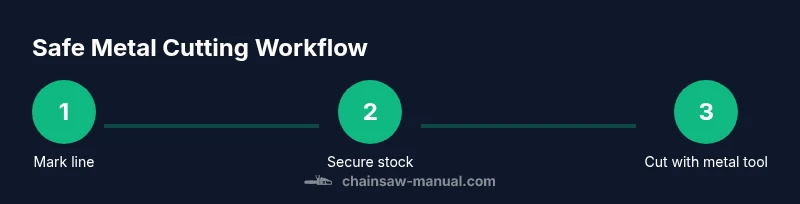
Begin by measuring and marking the cut line with a metal-safe marker or scribe. Use a straightedge or square to ensure the line is true, and double-check dimensions before securing the piece. Secure the workpiece with locking pliers or a jig to prevent movement during the cut. Remove any non-metal objects from the immediate area and clear a 3–4 meter radius around the work zone to prevent accidental contact with bystanders. Do a dry run to confirm clearances before applying any cutting force, and keep hands away from the cutting zone at all times.
Step-by-step approach to safe metal cutting with proper tools
When you must cut metal, follow a step-by-step process that uses the right tool for the job. Begin by selecting the appropriate metal-cutting tool, ensuring the blade or wheel is rated for the material. Set the tool’s guard in place and adjust speed settings per the manufacturer’s guidelines. Mark the cut line, secure the workpiece, and position yourself with a stable stance. Start the cut slowly to establish a bevel or straight line, then feed the tool with steady, controlled pressure. Stop immediately if the tool binds, starts to smoke, or vibrates abnormally. Deburr the edge after the cut and inspect for heat marks or warping.
Common mistakes and how to avoid them
Common mistakes include using a chainsaw for metal, choosing the wrong blade, failing to secure the workpiece, and neglecting PPE. Do not cut with the wrong guard or without proper ventilation. Avoid forcing the tool; let the blade or wheel do the work and maintain a controlled feed rate. Another frequent error is attempting to cut too close to the edge, which can cause edge chipping or binding. Finally, never ignore wheel or blade wear indicators, overheating signs, or unusual sounds during operation. Regular maintenance and adherence to the manufacturer’s safety guidance are essential to prevent accidents.
Maintenance and post-cut cleanup
After completing a metal-cutting task, clean the area of metal chips, dust, and sparks. Store tools in a dry location to prevent rust and inspect blades for wear or damage. Replace any compromised safety guards or worn wheels before the next use. Inspect clamps and jigs for deformation and recalibrate measurement tools if necessary. Dispose of metal chips according to local regulations, and document any incidents or close calls to improve future safety practices.
Tools & Materials
- Angle grinder with metal-cutting cutoff wheel(Wheel must be rated for metal; use a properly guarded grinder)
- Cut-off saw / metal-cutting saw(Guarded, with appropriate blade and dust collection if available)
- Reciprocating saw with metal blade(Useful for awkward cuts; ensure blade is compatible with metal)
- Clamps or locking pliers(Secure workpiece firmly to prevent movement)
- Measuring tools (tape measure, metal scribe/marker, square)(Accurate marks help avoid mistakes)
- Personal protective equipment (PPE) kit(Safety glasses or face shield, hearing protection, cut-resistant gloves, long sleeves)
- Fire extinguisher(Keep within reach in case of sparks)
- Work surface with riving or jig(Flat, stable, and free of obstructions)
- Metal stock/material to cut(Ensure material is clamped or secured before cutting)
Steps
Estimated time: 1 hour 30 minutes
- 1
Prepare workspace and PPE
Set up a clean, well-lit workspace with a fire-safe area. Don your full PPE kit, including eye protection, face shield, hearing protection, and cut-resistant gloves. Inspect all tools for damage and verify guards are in place before turning anything on.
Tip: Conduct a quick safety check of all cords and guards; a loose guard is a common cause of accidents. - 2
Secure the workpiece
Clamp the metal securely in a vise or on a jig to prevent movement during cutting. Double-check alignment with the marked cut line and ensure there is a safe clearance around the cutting zone.
Tip: Use two clamps for extra stability; never rely on hand pressure to hold the piece. - 3
Choose and set the correct tool
Select the metal-cutting tool that best fits the cut type and thickness. Install a fresh blade or wheel rated for metal and adjust guards and guards according to the manufacturer’s instructions.
Tip: Test fit on a scrap piece to confirm the setup before proceeding. - 4
Mark and align the cut line
Carefully mark the line with a metal-safe marker and use a straightedge to verify alignment. Recheck measurements after clamping to ensure the line won’t drift during the cut.
Tip: Avoid marking near the edge where heat can distort lines; mark slightly away and scribe back onto the edge after clamping. - 5
Make the cut with steady feed
Turn on the tool and begin the cut with a slow, steady feed. Maintain consistent pressure and let the tool do the work. Stop immediately if the blade binds, smokes, or the edge chips.
Tip: Keep hands away from the cutting line and use a stance that provides balance and control. - 6
Finish, deburr, and inspect
Cool the cut edge if it heats excessively, deburr any sharp edges, and inspect for warping. Clean the area of chips and store tools properly after use.
Tip: Document any unusual tool behavior for maintenance records and future reference.
FAQ
Can a standard chainsaw be modified to cut metal?
No. Modifying a chainsaw to cut metal compromises safety and can cause kickback, blade or chain failure, and fire hazards. Always use tools rated for metal cutting.
No. Modifying a chainsaw for metal cutting is unsafe and should be avoided; use metal-cutting tools instead.
What tools are best for cutting metal safely?
Use a metal-cutting cutoff wheel with an angle grinder, a cold-cut saw, or a reciprocating saw with a metal blade. Ensure guards are in place and PPE is worn.
The best safe options are angle grinders with cutoff wheels, metal-cut saws, or reciprocating saws with metal blades.
What PPE should I always wear when cutting metal?
Wear safety goggles or a face shield, hearing protection, cut-resistant gloves, long sleeves, and non-slip boots. Use a fire extinguisher in the workspace as an additional precaution.
Always wear eye protection, hearing protection, gloves, long sleeves, and proper footwear when cutting metal.
Is it ever acceptable to cut near metal with a chainsaw?
Only remove non-metal debris or perform tasks not involving actual metal cutting. For any metal cut, switch to an approved tool and follow safety guidelines.
Only perform non-metal tasks with a chainsaw; for metal cuts, use proper metal-cutting tools.
What should I do if the tool overheats or smokes?
Pause, disconnect power, let the tool cool, inspect for damage, and replace worn blades. Do not continue cutting when heat is excessive or smoke is present.
If you see smoke or the tool overheats, stop and let it cool before inspecting for damage.
Where can I learn more about safe metal cutting?
Consult OSHA safety resources and NIOSH guidelines for PPE and hazard controls, and seek hands-on training from a qualified professional if you are unsure.
Check OSHA and NIOSH resources for PPE and hazards; training from a professional is advised if unsure.
Watch Video
The Essentials
- Do not cut metal with a standard chainsaw.
- Use metal-specific tools and PPE for safe results.
- Secure and mark the workpiece before cutting.
- Follow step-by-step setup to reduce heat and kickback risk.
- Inspect equipment after cutting and maintain safety records.