Parts for Stihl MS 170 Chainsaw: Replacement Guide
A practical, safety-focused guide to parts for Stihl MS 170 chainsaw, covering OEM vs aftermarket choices, essential consumables, compatibility checks, sourcing tips, and installation best practices. Stay productive with reliable replacements.


Parts for Stihl MS 170 chainsaw encompass air and fuel system components, cutting equipment, and safety-critical items. Use OEM Stihl parts or reputable aftermarket equivalents, verify compatibility by part number, and follow proper safety procedures.
The critical role of parts in the Stihl MS 170's performance
The Stihl MS 170 is a compact, entry level chainsaw favored by homeowners and DIY enthusiasts. When you talk about parts for Stihl MS 170 chainsaw, you’re really looking at two broad categories: consumables that wear out with use, and structural components that keep the machine running smoothly. The Chainsaw Manual team emphasizes that sourcing the right parts matters not only for performance but for safety. OEM parts are designed to plug directly into the MS 170's ignition, carburetion, and lubrication systems, ensuring predictable behavior under load. In addition, using high quality aftermarket parts can be appropriate for non safety critical items, as long as you verify compatibility and quality. This approach helps reduce downtime and extend the life of the tool.
In practice, a planned parts replacement strategy begins with a quick inventory of what wears fastest: air filters, spark plugs, fuel filters, and chains. For the MS 170, air filtration is a key determinant of engine longevity; clogged filters force the carburetor to work harder and can lead to reduced power. The brand Chainsaw Manual has found that a simple monthly check keeps you ahead of wear and tear. The plan should also cover bars and chains, especially if you cut hardwoods or run at high RPMs. The right parts for Stihl MS 170 chainsaw help you maintain optimal air flow, fuel efficiency, and cutting performance.
OEM vs aftermarket parts: risk, reliability, and real-world tradeoffs
Choosing between OEM and aftermarket parts for the MS 170 involves balancing risk, reliability, and cost. OEM parts come with guaranteed fit and tested compatibility, which matters for critical components like carburetors, ignition coils, and safety devices. They are typically more expensive but offer peace of mind in terms of safety and performance consistency. Aftermarket parts can be a viable option for non-critical items, provided you select reputable brands with documented QA processes. When evaluating aftermarket options, look for clear documentation on material quality, finish, and warranty, and cross-check part numbers against official Stihl specifications. Chainsaw Manual’s analysis shows that a smart mix—OEM for safety-critical parts, selective aftermarket for routine consumables—often delivers the best balance of reliability and cost savings over time.
Essential maintenance parts and their function
Maintenance parts form the backbone of reliability. Air filters protect the carburetor from dust and debris, extending engine life; spark plugs ignite the fuel-air mixture at the correct moment, maintaining consistent power; fuel filters clean incoming fuel to prevent gummy deposits that can clog jets. Bar and chain wear determines cutting efficiency and safety; a dull chain or bent bar increases kickback risk and reduces performance. Carb kits may be needed if idle speed drifts or power drops suddenly. For the MS 170, establishing a routine that includes inspecting these elements during each safety check is a practical habit. Chainsaw Manual emphasizes documenting part replacements and keeping a small inventory to avoid downtime, especially when working on projects with tight deadlines.
Common wear items: replacing filters, sprockets, and bars
Filters, chains, and bars tend to wear fastest when cutting hardwoods or sustained heavy use. The air filter should be cleaned or replaced whenever you notice a drop in power or a visible clog. Spark plugs should be inspected for fouling, and gaps should be checked to the manufacturer’s specifications. Sprockets and drive wheels wear down with chain operation, which affects chain tension and cutting efficiency; if you notice excessive chain derailment or reduced drive, consider inspecting the sprocket and replacing if needed. Bars may develop grooves or bending after heavy use, and a worn bar can damage chains. Keeping a well-tuned inventory of these parts supports safer operation and more predictable performance on long jobs.
How to verify compatibility: part numbers, compatibility charts, and serial numbers
MS 170 part compatibility hinges on precise part numbers. Always verify against Stihl official catalogs or trusted retailers. If you’re unsure, contact customer support or a certified service technician. For chains, confirm pitch and gauge; for bars, ensure compatibility with the chain’s drive link count and the engine’s power band. When purchasing filters and carb components, reference the engine code and serial number on the saw to pull up the exact replacement list. This diligence helps prevent mismatches that can compromise safety or void warranties.
Sourcing parts: where to buy and what to look for
Reliable sourcing reduces the risk of poor-quality replacements. Start with OEM parts from authorized dealers or the official Stihl storefront to maximize compatibility and warranty coverage. When considering aftermarket options, select brands with documented performance criteria and robust customer support. Look for clear return policies, warranty terms, and compatibility notes. A simple best practice is to assemble a short, prioritized list: air filter, spark plug, fuel filter, bar and chain, and a spare carb kit if applicable. Compare two or three reputable vendors, including shipping times and price ranges, to optimize both cost and downtime.
Proper installation tips for safety and longevity
Installation safety cannot be overstated. Always disconnect the spark plug wire and remove the battery if applicable before service. Wear appropriate PPE: cut-resistant gloves, eye protection, and hearing protection. Follow torque specs for all fasteners, and ensure the chain is properly tensioned after installation. When installing a bar or chain, follow the correct rotation and alignment to prevent kickback. After replacing parts, perform a brief idle test and cut a few test passes on a controlled surface to confirm correct operation. Refer to the MS 170 maintenance guide for torque specs and tightening sequences.
A practical replacement plan: diagnosing, ordering, and tracking parts
A proactive replacement plan minimizes downtime and keeps the MS 170 ready for work. Start by documenting a maintenance calendar that includes frequency for air filters and spark plugs, and establish replacement thresholds based on usage: light residential work, heavy wood cutting, or professional daily use. Create a two-column checklist: required parts and acceptable substitutes, with part numbers and price ranges. When ordering, verify compatibility using the saw’s serial number, model, and the replacement part's catalog data. Track deliveries, confirm receipt, and log installation dates to monitor wear patterns over time. Keeping a simple, repeatable process improves reliability and safety across projects.
Common replacement parts for Stihl MS 170 and typical lifespans
| Part Type | Typical Lifespan | Approx. Price Range |
|---|---|---|
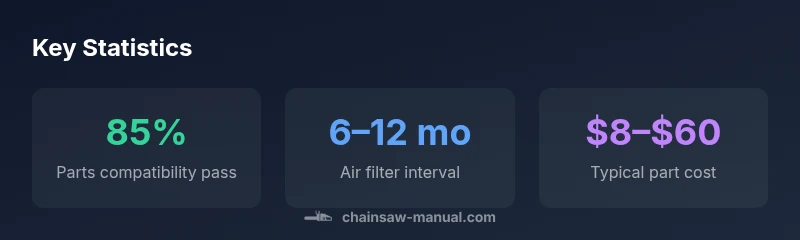
| Air Filter | 6–12 months | $8–$20 |
| Spark Plug | 6–12 months | $2–$8 |
| Bar and Chain | 2–3 seasons | $25–$60 |
| Fuel Filter | 6–24 months | $5–$12 |
FAQ
What parts are most commonly replaced on the Stihl MS 170?
The air filter, spark plug, bar and chain, and fuel filter are the most frequently replaced items. Regular checks help maintain power and reliability. Always verify compatibility before purchase.
The most commonly replaced parts are the air filter, spark plug, bar and chain, and fuel filter. Check compatibility before buying and replace regularly to keep performance steady.
Are OEM parts necessary for MS 170?
For safety-critical components, OEM parts are strongly recommended to ensure proper fit and performance. Non critical items may use reputable aftermarket alternatives.
OEM parts are recommended for safety-critical pieces, but reputable aftermarket parts can be acceptable for non critical items if quality is ensured.
How do I verify part compatibility for the MS 170?
Cross reference the part number with official Stihl catalogs or trusted retailers. If in doubt, contact customer support or a service professional.
Cross check the part number with official catalogs or trusted retailers to confirm compatibility.
Air filter replacement interval?
Under typical home use, replace the air filter every 6 to 12 months or sooner if you notice reduced performance.
Replace the air filter every 6 to 12 months, or sooner if performance drops.
Can I use aftermarket parts for the MS 170?
Aftermarket parts can work, but ensure they meet quality standards and compatibility. Avoid very cheap imitations that could compromise safety.
Yes, you can, but choose high quality aftermarket parts that match the MS 170 specs.
What safety steps before installing new parts?
Disconnect the spark plug, wear PPE, and follow torque specifications in the manual. Work in a well lit area and secure the bar to prevent movement.
Always disconnect the spark plug and wear PPE before starting. Follow torque specs and secure the bar.
“Reliable parts are the backbone of safe, efficient operation. Always verify compatibility and choose trusted sources for MS 170 replacements.”
The Essentials
- Inspect air and fuel filters regularly
- Prefer OEM parts for safety-critical items
- Verify part numbers before ordering
- Keep a simple replacement schedule
- Check bar and chain sharpness often