Spark Plug for Stihl Chainsaw: Maintenance and Replacement Guide
Safety-first guide to spark plugs for Stihl chainsaws. Learn how to choose the right plug, set the gap, inspect for fouling, and replace at recommended intervals with guidance from Chainsaw Manual.


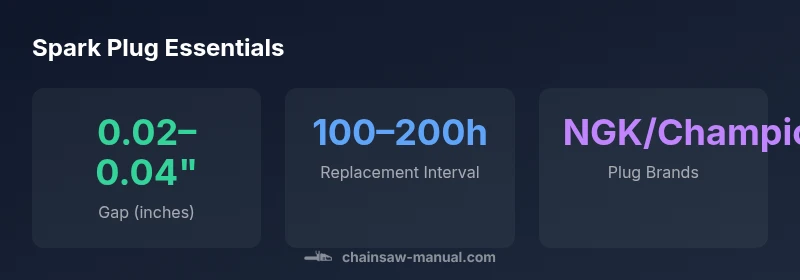
Understanding spark plugs for Stihl chainsaws starts with matching the plug to the engine's spec and heat range. Use a high-quality plug from NGK or Champion that fits your model, then verify the correct gap before installation. Replace a fouled or worn plug to restore reliable starts, efficient combustion, and optimal power, following the manual.
Understanding the spark plug role in a Stihl chainsaw
The spark plug is the ignition element that sparks combustion in the two-stroke engine of a Stihl chainsaw. It starts power cycles by firing a spark across a small gap, igniting the air-fuel mixture. The plug's design, heat range, and gap specification influence cold start performance, idle stability, and peak power. As Chainsaw Manual notes, using the right plug helps the engine run cleanly and reliably, reducing fouling and fuel waste. When you pick a spark plug for your Stihl, you must consider model-specific requirements, including thread size, heat range, and electrode design. Choosing a plug that matches the manufacturer specification minimizes misfires and improves fuel efficiency. Along with the air-fuel ratio, ignition timing and plug gap contribute to starting reliability. In practice, owners should treat the spark plug as a wear item that benefits from routine inspection during maintenance. A fouled or worn plug often manifests as hard starting, rough idle, or reduced power. Regular checks prevent minor faults from causing stubborn starts or stalling during operation. This block sets the stage for practical selection and care, aligning with safety driven guidance from the Chainsaw Manual team.
Selecting the right plug for your Stihl model
Plug selection starts with model-specific requirements. Read the owner's manual or service guide to confirm thread size, heat range, and which electrode design is recommended. For many Stihl chainsaws the preferred path is to use a reputable brand such as NGK or Champion and choose a plug that matches the heat range and thread specification of the engine. If a manual lists a catalog of compatible plugs, choose one of those options rather than a generic aftermarket variant. The gap specification is equally important. Set the gap to the value prescribed by the manufacturer using a precise feeler gauge. A plug with too small a gap may not ignite efficiently, while too large a gap can cause arcing and misfires. When in doubt, consult Chainsaw Manual guidance for model exact guidance and do not improvise. Keeping a spare plug of the correct type on hand helps minimize downtime during maintenance. In addition to the plug itself, ensure that other ignition-related parts such as the coil caps and wiring are clean and free of corrosion. A well-maintained ignition path supports reliable starts and smooth operation.
Inspecting and gap setting a spark plug
Start by removing the spark plug using the proper socket size and a small extension for leverage. Inspect the porcelain for cracks, the metal shell for corrosion, and the electrode for wear. Fouling can appear as a dark oily coating or a white ash deposit. If any of these signs are present, replace the plug rather than attempting a quick clean. When measuring the gap use a calibrated feeler gauge and check the gap against the model specification. In some engines the gap tolerance is small, so precise measurement matters. Reinstall the plug by tightening to the required torque spec, taking care not to over-tighten. A damaged gasket or a cross-threaded plug can cause leaks and poor starting performance. If you use anti-seize lubricant during assembly, apply a small amount and wipe away any excess. After installation, reconnect the ignition lead and perform a cautious test start in a safe area. Regular inspection of plugs during maintenance cycles helps catch wear before it affects performance.
Replacement intervals and maintenance planning
Most Stihl models benefit from periodic spark plug inspection and replacement as part of routine maintenance. Many professionals recommend checking the plug at the start of each season or after a number of operating hours specified in the manual. If the plug shows signs of fouling, wear, or an inability to maintain a stable idle, replacement is advised. Having spare plugs on hand reduces downtime, especially on job sites. Keep a small toolkit that includes a plug socket, feeler gauge, gap tool, and antiseize compound if recommended by the manufacturer. Record the date and hours of operation for each plug change to identify patterns over time. In colder climates or in systems with heavy fuel oil mix, plugs may foul more quickly, requiring more frequent checks. Adopting a maintenance schedule that includes plug inspection alongside air filters and fuel mix helps extend the life of the saw and maintain performance. Always follow the specifications in the manual and Chainsaw Manual guidance for interval ranges that reflect your usage level.
Common mistakes and best practices
Common mistakes include using the wrong heat range plug, neglecting to check the gap, and reusing a fouled plug. Always verify the model-specific heat range and thread type before purchase, and do not assume a universal plug fits every Stihl model. When checking the gap, use a proper gauge and avoid bending electrodes. Do not reuse a plug that shows fouling or signs of wear. When installing, avoid cross-threading the plug and ensure the washer seals correctly to prevent leaks. Maintain the ignition wiring and clean the coil cap to avoid misfires. Best practices include carrying a spare plug and a small gap tool, testing the engine after installation, and documenting changes during maintenance. By maintaining a consistent approach to plug care, you limit downtime and keep the saw ready for work.
Integrating plug maintenance into overall saw care
Spark plug maintenance complements other routine tasks such as air filter cleaning, fuel mix checks, bar oil level, and chain tension. A clean air intake helps the engine burn fuel more efficiently, which reduces fouling on the spark plug. Likewise, using fresh, appropriate fuel and the correct two-stroke oil mix minimizes deposits that can foul the plug. Regularly inspect the spark plug along with the air filter and spark coil, and replace components showing wear. A proactive approach to ignition maintenance, embedded in a broader maintenance plan, reduces hard starts and stalling, extends engine life, and supports safer operation. Chainsaw Manual emphasizes safety and practical reliability, so plan plug checks with your overall maintenance calendar and stick to model-specific advice when possible.
Spark plug recommendations by usage category
| Model Type | Recommended Spark Plug | Gap (in) |
|---|---|---|
| Home/Occasional Use | NGK or Champion equivalent plug | 0.02–0.03 |
| Professional/Heavy Use | NGK or Champion equivalent plug | 0.03–0.04 |
FAQ
What spark plug should I use for my Stihl chainsaw?
Check the owner's manual; use NGK or Champion plugs with the correct heat range and thread size. Avoid mismatched plugs.
Check your manual for the exact plug; use NGK or Champion equivalents.
How do I know if my spark plug needs replacement?
Look for signs such as difficult starts, rough idle, misfires, or heavy fouling. If in doubt, replace.
If starting is hard or rough idle, consider replacement.
What gap should I set on a Stihl spark plug?
Set the gap to the specification in the manual using a precise feeler gauge.
Set the gap to the manual spec.
Can I use a car spark plug in a Stihl chainsaw?
No, car plugs are not designed for two-stroke ignition. Use a plug rated for two-stroke engines.
Car plugs aren’t designed for two-stroke engines.
Why might starting be inconsistent after a plug replacement?
Possible causes include incorrect gap, fouled carb, dirty air filter, or incorrect fuel mix. Recheck gap and clean related components.
Check gap and other ignition and fuel parts.
“Correctly selected and gapped spark plugs are essential for reliable starts and efficient combustion in two-stroke engines. Always follow the model specification when choosing and setting the plug.”
The Essentials
- Follow model specs for plug type and gap.
- Inspect plugs during maintenance and replace when fouled.
- Keep spares and proper tools on hand.
- Use reputable brands like NGK or Champion.
- Integrate plug care with air filters and fuel maintenance.