Chainsaw Maintenance: A Practical Safety Guide
Learn practical, safety-first chainsaw maintenance steps to keep your saw reliable and efficient. From daily checks to seasonal servicing, Chainsaw Manual provides a thorough, no-nonsense routine you can perform at home.


Master chainsaw maintenance with a practical, safety-first routine you can perform at home. This quick guide outlines the essential steps, from pre-use checks to seasonal servicing, so you keep your saw safe, efficient, and ready for the job. By following a consistent maintenance plan, you reduce downtime and extend the life of your chainsaw.
Why Chainsaw Maintenance Matters
According to Chainsaw Manual, consistent chainsaw maintenance isn’t optional—it’s a fundamental safety practice that protects you and your investment. A well-kept saw starts easier, runs cleaner, and lasts longer, reducing downtime and costly repairs. Proper maintenance also minimizes the risk of kickback and fuel issues, which can be dangerous on the job site. This section explains the core reasons to establish a routine you can trust, even if you use your saw only occasionally. You’ll learn how basic upkeep translates into safer operation, better power, and longer tool life, which ultimately saves you time and money. The goal is to build confidence and competence so you can tackle projects with fewer surprises.
Safety First: PPE and Safe Handling
Before you touch the chain, always put on appropriate PPE: cut-resistant gloves, eye protection, hearing protection, and sturdy clothing. Keep your workspace clean and well lit, with a stable surface for tools. A good maintenance routine begins with safety—shut off the engine, engage the chain brake, and disconnect the spark plug boot to prevent accidental starts. Chainsaw maintenance combined with PPE reduces injuries and ensures you can work confidently. Chainsaw Manual analysis shows that safety-first habits correlate with fewer incidents and smoother maintenance sessions.
Building a Simple Maintenance Schedule
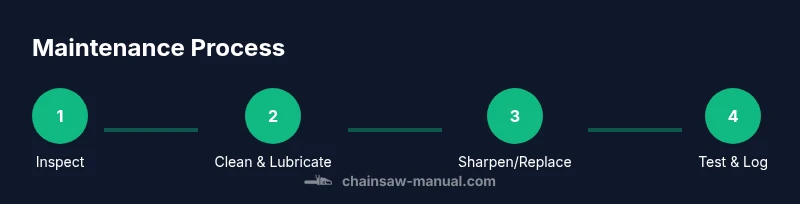
Establish a schedule that covers daily, weekly, and seasonal tasks. Daily checks should include chain tension, bar oil level, and overall condition; weekly tasks can expand to air filter inspection and exterior cleaning; seasonal servicing can address carburetor adjustments, fuel system protection, and thorough cleaning. A written log helps track wear patterns, tasks completed, and parts replaced. A simple calendar reminder can be enough to stay on top of routine maintenance and prevent minor issues from becoming major problems.
Pre-Start Checks: What to Inspect Before Each Use
Before starting the saw, perform a quick but thorough inspection: inspect the chain for dull teeth or damage, check chain tension and brake operation, verify the bar groove is clean, and look for fuel leaks or loose fasteners. If you notice anything abnormal, address it before operation. This step is essential to prevent injuries and protect the engine. A consistent pre-start routine is a cornerstone of safe chainsaw maintenance.
Cleaning and Lubrication Basics
Clean the exterior surfaces to remove sap, dirt, and debris that can hinder cooling and airflow. Wipe down the cooling fins and muffler area; ensure that the bar groove is clear. Lubricate the chain properly with bar oil, taking care not to over-lubricate, which can create slick residues and discharge excess oil. Use the right viscosity for your climate and saw model. The goal is to maintain efficient heat transfer and reduce chain wear through consistent lubrication.
Air Filter, Fuel System, and Spark Plug Care
A clean air filter keeps the engine breathing freely, reducing fuel consumption and emissions while preventing dirt from entering the carburetor. Inspect and clean or replace the air filter as needed. Use fresh fuel mixed to the manufacturer’s recommended ratio and store fuel in a clean, labeled container. Check the spark plug for fouling or wear, and replace if necessary. Clean or replace components on a schedule that matches your usage to avoid power loss and hard starts.
Chain, Bar, and Sprocket Care
Inspect the chain for dull or damaged teeth; file or replace as needed. Check the bar for excessive wear in the groove and ensure the drive sprocket spins freely without wobble. When sharpening, maintain the correct pitch and depth gauge settings. Regular inspection prevents chain derailment and reduces the risk of kickback. Keeping the bar and chain in good condition is a core element of reliable chainsaw maintenance.
Tuning and Spark Plug Replacements
Periodically tune carburetor settings according to the manual, especially after seasons of storage or if you notice power loss. Replace the spark plug if it looks worn, fouled, or has an incorrect gap. Proper tuning and spark plug maintenance improve cold starts, throttle response, and overall performance. If you’re unsure about carb adjustments, consult the manual or a qualified technician. A good tune equals a smoother, safer cut.
Storage and Long-Term Care, Seasonal Prep
When not in use, drain or stabilize fuel to prevent gum formation and varnish in the carburetor. Store the saw in a dry place, with the bar and chain covered to prevent accidental contact. Periodically apply lubricant to moving parts and inspect for signs of corrosion or moisture. Seasonal prep should also address battery or spark components if you use an electric or hybrid model. Proper storage preserves fuel system integrity and reduces start-up effort when you return to work.
Troubleshooting Common Issues
If the saw won’t start, verify that the ignition system and carburetor are functioning and that fuel is reaching the engine. A hard start can indicate stale fuel, a clogged air filter, or improper choke technique. If a chain won’t stay tight, check tension, bar groove cleanliness, and drive sprocket condition. For abnormal vibrations, inspect chain alignment, bar wear, and mounting hardware. This section provides a practical framework to diagnose issues without guesswork, aligning with a safety-first mindset.
Maintenance Log and Records
Keep a simple log of maintenance tasks: dates, parts replaced, and notes on performance. Tracking wear patterns helps forecast needed replacements and avoids unexpected downtime. A consistent record-keeping habit is a quiet winner for both professional crews and DIY enthusiasts. Chainsaw Manual emphasizes that documentation supports reliability and planning for future projects.
Tools & Materials
- Owner's manual(Keep for torque specs and model-specific steps)
- Bar and chain oil(Use correct viscosity; refill before each use)
- Two-stroke fuel mix(Fresh fuel mixed at the manufacturer’s ratio; avoid stale fuel)
- Chain sharpening kit (file, guide, gauge)(Maintain proper angle and depth gauges for sharp teeth)
- Rag or lint-free cloth(For cleaning and wiping surfaces)
- Screwdrivers (flathead and Phillips)(Used to adjust screws and inspect components)
- Socket set or nut driver(For bar nuts and covers; torque as needed)
- PPE (gloves, goggles, hearing protection)(Protect hands, eyes, and ears during maintenance)
- Compressed air or brush (gentle use)(Clean dust from hard-to-reach areas; avoid forcing debris)
- Spark plug wrench and spare spark plug(Check/replace if fouled or worn)
- Carb cleaner spray(Use sparingly to avoid vacuuming in solvent)
Steps
Estimated time: Total time: 90-120 minutes
- 1
Inspect overall condition
Begin by visually inspecting the chainsaw for cracks, loose nuts, worn components, and any signs of oil leaks. Look at the bar, chain, and housing for damage. This initial review helps you target areas that require attention before you power up. A thorough check reduces the risk of risky startups and dangerous operation.
Tip: Run a quick hands-on check of chain tension using the bar nose as a reference point. - 2
Wear PPE and prepare workspace
Put on cut-resistant gloves, safety glasses, and hearing protection. Clear the area of clutter, lay down a clean mat, and organize tools within easy reach. A tidy workspace minimizes distractions and helps you stay focused on safe maintenance practices.
Tip: Keep a spill mat or tray to catch any oil drips and avoid staining the workspace. - 3
Inspect fuel system and air filter
Check for stale fuel and replace with fresh mix if necessary. Remove and inspect the air filter; clean or replace it if dirty or clogged. This ensures the engine breathes properly and operates at peak efficiency.
Tip: If the air filter is hard to remove, consult the manual to avoid damaging clips or housings. - 4
Clean exterior and cooling areas
Wipe down the housing, clear sap and debris from around the cooling fins and muffler. Debris buildup can impede cooling and performance. After cleaning, recheck for any loose screws or compromised components.
Tip: Use a soft brush or cloth; avoid abrasive tools that could scratch surfaces. - 5
Inspect and clean the bar groove
Carefully inspect the bar groove for wear or nicks and clean it with a non-metallic tool. A clogged groove can cause poor chain tracking and increased heat. If wear is significant, replace the bar or consult a professional.
Tip: Rotate the bar to check for uneven wear; this helps you decide if a replacement is needed. - 6
Sharpen or replace the chain
Assess chain tooth sharpness; file or replace worn teeth as needed. Follow the manufacturer’s pitch and depth gauge settings for safe operation. A sharp chain not only improves performance but also reduces kickback risk.
Tip: Maintain consistent filing angle and count the teeth for uniform wear. - 7
Tension the chain and inspect tension system
Set the correct chain tension so the chain just kisses the guide bar with the engine off. Check the tensioning mechanism and springs for wear. Proper tension prevents derailment and reduces chain stretch over time.
Tip: Always re-check tension after a few cuts; chain tension changes with heat. - 8
Lubricate bar and chain properly
Apply bar oil according to the manual, ensuring a steady, controlled flow. Do not over-lubricate; excess oil can mask wear or hide issues. Proper lubrication optimizes cutting efficiency and reduces heat.
Tip: Use the recommended oil viscosity for your climate and saw model. - 9
Inspect spark plug and ignition
Remove and inspect the spark plug for fouling or wear; replace if necessary and set the correct gap. A healthy spark plug improves cold starts and idle performance. This step is especially important after storage or seasonal changes.
Tip: Use a feeler gauge to confirm exact gap settings. - 10
Test startup and idle safety checks
Reconnect the spark plug boot, start the saw in a controlled area, and verify the chain brake, throttle response, and kill switch function correctly. If the saw fights you or stalls, stop and reassess rather than forcing a start.
Tip: Always perform a test cut with no load to confirm functionality. - 11
Store and transport considerations
After maintenance, store the chainsaw in a dry location with the bar covered. For transport, secure the chain to prevent accidental contact. Proper storage protects components and reduces corrosion risk.
Tip: Keep fuel away from heat sources and direct sunlight. - 12
Document maintenance and plan next service
Record date, tasks performed, parts replaced, and the next maintenance window in a log. This practice helps you predict upcoming needs and maintains a consistent upkeep cycle.
Tip: Set reminders for seasonal checks and part replacements.
FAQ
How often should I perform chainsaw maintenance?
A basic daily check plus a weekly deeper clean, with seasonal servicing, is a reliable approach. Adapt the schedule to usage and climate, and always follow the manufacturer’s guidance.
Do a quick daily check, a deeper weekly clean, and a seasonal service based on how often you use the saw.
Can I mix fuels or use any oil in my chainsaw?
Always use the fuel mixture and bar oil recommended by the manufacturer. Using the wrong viscosity or stale fuel can reduce performance and cause engine damage.
Use the recommended fuel mix and bar oil; avoid substitutes that aren’t specified by your saw’s manual.
What tools do I really need for basic maintenance?
Keep a basic kit: owner’s manual, bar oil, chain sharpening kit, screwdrivers, a rag, PPE, and a socket set. More advanced tasks may require fuel, spark plug wrench, and carb cleaner.
A basic toolkit with the manual, oil, sharpening kit, and PPE covers most routine maintenance.
Why is my chain coming off the track?
Chain derailment can result from improper tension, worn bar groove, or a damaged drive sprocket. Re-tension carefully and inspect these components before use.
Check tension, inspect the bar groove, and look at the drive sprocket if the chain won’t stay on.
Is it safe to sharpen the chain while the saw is mounted?
Sharpening is safest with the saw off and cooled, using proper guides and files. Avoid grinding or aggressive brushing that could overheat the chain.
Sharpen with the saw off and use the correct files and guides to avoid accidents.
Should I store fuel in the tank over the off-season?
No. Store fuel in a sealed container away from heat sources and burn off stale fuel before the next season. This reduces gum formation and carburetor fouling.
Don’t store fuel in the tank for long periods; use fresh fuel and proper containers.
Watch Video
The Essentials
- Establish a regular maintenance routine for safety and longevity
- Inspect and clean the air/filter and cooling areas before each use
- Keep the chain, bar, and drive sprocket in good condition to prevent failures
- Document maintenance to plan ahead and reduce downtime