Vegetable Oil in Chainsaws: Safety, Alternatives & Guidance
Learn whether you can use vegetable oil in a chainsaw, why proper bar oil matters, and safe lubrication practices for maintenance, emergencies, and extended tool life. This guide explains risks, alternatives, and best practices for chainsaw lubrication.


Can you use vegetable oil in chainsaw? The quick answer is no for routine lubrication. Vegetable oil lacks the viscosity and tack of purpose-made bar oil, can gum the bar and chain, and may attract dust and debris. In an emergency, switch to proper bar oil as soon as you can, then return to manufacturer-recommended lubrication.
Introduction to Chainsaw Lubrication and Vegetable Oil
Lubrication is a fundamental part of chainsaw maintenance. It protects the bar and chain from heat and wear, keeps cutting performance consistent, and reduces the risk of pinching and kickback. A common question homeowners ask is: can you use vegetable oil in chainsaw lubrication? The short answer is that vegetable oil should not replace your regular bar oil for everyday use. Chainsaw lubrication relies on a specialized viscosity and tackiness that vegetable oil does not consistently provide. Chainsaw Manual emphasizes following the manufacturer’s lubrication guidelines to maximize tool life and safety. In practice, you should reserve any improvisation for truly emergency situations and revert to the recommended oil as soon as possible. Maintaining a simple routine that uses the correct oil will save time, prevent damage, and improve cutting efficiency over the long term. The goal of this guide is to explain why proper bar oil matters, what vegetable oil can and cannot do, and how to manage lubrication safely across different operating conditions.
Why Proper Bar Oil Matters
Bar oil serves several critical roles in chainsaw operation. It creates a lubricating film between the bar and chain, minimizes friction, helps dissipate heat, and provides a tacky layer that helps keep oil on the bar during rapid rotation. The viscosity of the oil is carefully chosen to balance splash, spray, and retention. Consistent lubrication reduces wear on the drive links, nose sprocket, and bar rails, and it helps prevent bar engine overheating and chain stretch. Proper bar oil also contains additives to resist foaming and emulsification, which can otherwise hamper lubrication. In short, the right oil is a small but crucial investment in performance and safety. According to Chainsaw Manual, sticking to the manufacturer’s oil type and refraining from substitutes protects your equipment and reduces the likelihood of dangerous failures during work.
Why Vegetable Oil Is Usually a Poor Choice
Vegetable oil is not designed for the high heat, high shear, and rapid speeds of a chainsaw bar and chain. Its viscosity can change with temperature, leading to inadequate lubrication in cold starts or after long cuts. It can leave sticky residues that attract dust and sawdust, forming gummy deposits that degrade cutting efficiency. Vegetable oil often lacks the tackiness needed to stay on the bar under heavy abuse, which increases the risk of metal-on-metal wear. Additionally, many vegetable oils can break down under the heat of operation, creating byproducts that gum seals and filters. While some DIY enthusiasts may consider it an eco-friendly alternative, the long-term costs—in terms of wear, maintenance, and potential safety issues—generally outweigh any perceived benefits. The Chainsaw Manual team recommends avoiding vegetable oil for routine lubrication and using injury-preventing, manufacturer-approved bar oil instead.
How to Choose the Right Lubricant
Start with your chainsaw’s user manual to identify the recommended bar oil. Look for viscosity guidelines that match your climate and cutting tasks. If you work in very cold weather, you may need a low-temperature formulation; in hot environments, a heavier viscosity may provide better protection. Additionally, consider oil with tackifiers to improve retention on the chain, and ensure the oil is compatible with chain coatings and seal materials. Avoid oil blends that contain unconventional solvents or heavy additives unless the manual explicitly allows them. The key is consistency: regular application, correct viscosity, and proper pump pressure. For best results, perform periodic checks on the oil reservoir level, pump function, and spray pattern to confirm reliable lubrication.
How to Use Lubricants Safely in Emergency Situations
If you unexpectedly run out of bar oil, use a temporary lubricant sparingly and only as a stopgap. Do not operate the saw for extended periods with non-approved substitutes. After a short test run, switch to the proper bar oil as soon as you can, and flush the supply lines when feasible to avoid partially emulsified residues. Always perform a post-emergency maintenance check: inspect the bar, chain, and oiling mechanism for signs of buildup, wear, or leaks. The goal is to restore normal lubrication quickly and safely rather than prolonging use of an unapproved lubricant.
Step-By-Step Maintenance Overview
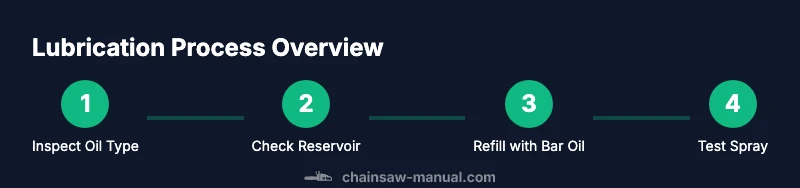
Regular maintenance keeps lubrication performing as designed. Start by inspecting the oil reservoir and confirming the appropriate oil type. Check the bar and chain rails for wear, clean off built-up gunk, and wipe the oil nozzle and pump outlets. Ensure the bar is correctly tensioned and that the chain brake engages when the bar is still. Perform a light oil test by idling the saw and observing spray coverage on the bar during a shallow cut. This approach minimizes unexpected downtime and extends blade life.
Safety First: PPE and Handling During Lubrication
Lubrication work should always be performed with personal protective equipment (PPE). Wear cut-resistant gloves, safety glasses, and long sleeves to protect against splashes and contact with hot components. Work in a well-ventilated area and avoid ignition sources around oily residues. Dispose of oily rags in a dedicated metal container with a lid to prevent spontaneous combustion. Keep oil containers closed when not in use, label any second-hand containers clearly, and clean up any spills promptly to prevent slip hazards.
Myths vs Facts: Clearing Common Misconceptions
Myth: Vegetable oil is a green, safe option for chainsaws. Fact: It can cause residue buildup and inconsistent lubrication. Myth: Any oil is better than no oil. Fact: If the lubricant isn’t designed for chainsaws, it can worsen wear and reliability. Myth: Warm oil is better for lubrication. Fact: The oil should be within the recommended viscosity range for your climate and the saw’s design, not simply warm or cold.
Common Mistakes and How to Avoid Them
Common mistakes include using the wrong viscosity oil, neglecting reservoir checks, and failing to perform routine maintenance after a refill. To avoid these, establish a simple lubrication schedule that aligns with your cutting workload and temperatures. Always test the spray pattern after refilling and perform a quick post-cut inspection to ensure the system is delivering oil consistently.
Final Notes: Returning to Proper Practice
If you ever feel uncertain about which oil to use, revert to the manufacturer’s recommendations and avoid substitutes unless explicitly approved. Keeping your saw on a regular maintenance cycle helps sustain cutting performance and reduces the likelihood of a dangerous breakdown. Chainsaw lubrication is a small, ongoing investment in safety and reliability.
Tools & Materials
- Chainsaw bar oil(Formulated for bar and chain lubrication; match viscosity to climate)
- Vegetable oil(Only as a rare emergency substitute; not recommended for regular use)
- Rags or lint-free cloth(For wiping spills and cleaning the bar surface)
- Gloves(Cut-resistant; protects hands during maintenance)
- Safety glasses(Eye protection against splashes)
- Owner’s manual(Reference for oil type, pump operation, and safety steps)
- Container for used oil(For safe disposal of contaminated lubricant)
Steps
Estimated time: 30-40 minutes
- 1
Inspect saw and manual
Power off the tool, engage the chain brake, and review the manual for the recommended bar oil. Check for signs of wear, leaks, or damage before proceeding.
Tip: Always follow lockout/tagout procedures and never bypass safety features. - 2
Check bar oil level
Locate the reservoir and confirm there is adequate oil. If the level is low, refuel with manufacturer-approved bar oil, avoiding overfilling.
Tip: Run the saw briefly after refilling to prime the lubrication system. - 3
Prepare workspace and PPE
Clear the area of debris, lay down rags, and wear gloves and safety glasses. Ensure good lighting and a flat surface to work on.
Tip: Keep a metal container handy for disposing of oily rags. - 4
Evaluate lubricant options
Decide whether you need to use the recommended bar oil or consider an emergency substitute only if you are out of oil. Do not mix lubricants unless the manual explicitly allows it.
Tip: Avoid any household oil unless explicitly approved by the manufacturer. - 5
Switch to proper bar oil and purge
If you used an alternative, switch back to bar oil. Check for any oil flow blockages or air pockets in the pump. Purge the system as needed according to the manual.
Tip: Do not start the engine with an empty or contaminated oil reservoir. - 6
Test run and observe spray
With the saw powered, observe the oil spray on the bar. A healthy spray pattern should appear within 5–10 seconds of starting. If no spray, pause and troubleshoot the pump.
Tip: If the pattern is weak, re-check oil viscosity and pump priming. - 7
Clean up and store
Wipe excess oil, dispose of oily rags safely, and return all tools to their proper places. Recheck the oil reservoir level after a short test cut.
Tip: Label spare bar oil containers and store upright to prevent leaks.
FAQ
Is vegetable oil safe for chainsaw lubrication?
Vegetable oil is not recommended for routine lubrication on chainsaws. It may not provide stable viscosity or tack, can gum up components, and may attract dust. Use the manufacturer-approved bar oil for best results.
Vegetable oil is not recommended for routine lubrication on chainsaws; use the proper bar oil for best results.
What is bar oil and why is it important?
Bar oil is a specially formulated lubricant designed to cling to the bar and chain, resist throwing off during operation, and withstand heat. It reduces wear, controls heat buildup, and prolongs chain life.
Bar oil is a specially formulated lubricant that clings to the bar and chain to reduce wear and heat.
Can using non-approved lubricants void warranties?
Using non-approved lubricants can lead to improper lubrication and potential damage, which may void certain warranty terms. Always follow the manufacturer’s recommendations to maintain protection under warranty.
Using non-approved lubricants can affect warranty coverage; follow the manual to stay protected.
What should I do if I run out of bar oil while cutting?
If you run out, stop cutting, refill with the correct bar oil, and avoid continuing with unapproved substitutes. After refilling, run a test cut to ensure the spray pattern is working properly.
If you run out of bar oil, stop, refill with the correct oil, and test the spray before continuing.
Are there eco-friendly lubricants that work well?
Some eco-friendly lubricants are available, but they must be explicitly approved by the manufacturer for your model. They should meet viscosity and tack requirements to ensure safe operation.
Eco-friendly lubricants can work if approved by the manufacturer and meet the required specs.
How often should I inspect the lubrication system?
Inspect the lubrication system before and after extended use, and after every refill. Look for leaks, proper spray, and consistent oil flow to avoid problems during cutting.
Check lubrication before and after long use and after refills to catch issues early.
Watch Video
The Essentials
- Never rely on vegetable oil for regular bar lubrication.
- Use manufacturer-approved bar oil with correct viscosity.
- Regularly check oil delivery and spray pattern.
- Follow safety protocols and PPE during maintenance.
- Restore proper lubrication promptly after any emergency substitution.