Ozito Chainsaw at Bunnings: Safe Use Guide for DIYers
Learn how to safely select, operate, and maintain an Ozito chainsaw bought at Bunnings with practical, safety-first steps for homeowners, DIY enthusiasts, and professionals.


Goal: safely select, operate, and maintain an Ozito chainsaw purchased at Bunnings. This quick guide covers essential PPE, basic maintenance, and a straightforward setup checklist to prevent kickback and injuries. According to Chainsaw Manual, safety-first practices and regular checks protect you and your tools; gather PPE, oil, spare chain, and a charged battery or fuel before you begin.
Why Ozito chainsaws from Bunnings are popular for DIY projects
Ozito is a common choice for homeowners and DIY enthusiasts who need a lightweight, affordable option for occasional cutting tasks. When purchased at Bunnings, Ozito chainsaws come with accessible warranty information and a broad service network, which makes troubleshooting easier for home users. The combination of reasonable power, cordless options, and wide availability at Bunnings stores makes the Ozito brand a practical entry point for many tasks, from pruning to small firewood projects.
But price and power should be balanced with safety; in this guide we focus on the Ozito chainsaw line commonly found at Bunnings stores, including cordless models powered by lithium-ion batteries. Consider your typical use, yard size, and wood types when selecting the right model. Remember that the consumer-grade Ozito is designed for light- to medium-duty tasks; for heavy logging or professional work, you may require a larger, commercial tool. The Chainsaw Manual team recommends starting with a model sized for your yard and upgrading later if you consistently need more capacity. This approach reduces the risk of kickback and fatigue, while ensuring you have compatible PPE and maintenance supplies on hand.
Tools & Materials
- Safety helmet with face shield(ANSI/AS/NZS compliant, adjust for fit)
- Hearing protection(NRR rating of 24 dB or more)
- Safety gloves (cut-resistant)(Grip and protection)
- Eye protection (safety glasses or goggles)(Impact resistant lenses)
- Chainsaw oil(Bar and chain lubrication)
- Bar oil(Keep reservoir full)
- Spare chain(For quick replacement)
- Battery charger and spare battery (Cordless Ozito)(Ensure compatibility with unit)
- Screwdriver or hex key(Chain tension and cover screws)
- Rope or strap for handling (optional)(Assist lifting heavy wood)
Steps
Estimated time: 45-60 minutes
- 1
Inspect safety gear and tool
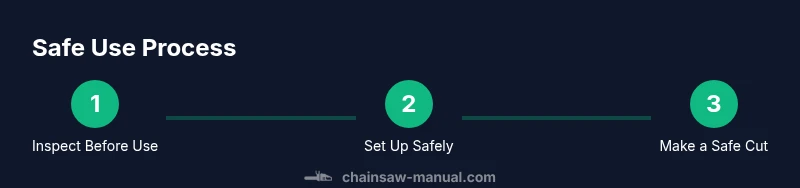
Before you touch the saw, verify that PPE is intact and ready. Check the battery or cord, inspect the bar and chain for wear, and ensure the chain brake engages when you test the saw. Clear the workspace of bystanders and obstacles. A quick visual check helps prevent surprises mid-cut.
Tip: Always wear all PPE before handling the saw to reduce injury risk. - 2
Prepare the work area
Choose a stable, level surface with secure footing. Remove loose debris, clear a 2–3 meter radius around you, and plan your cuts to avoid awkward angles. Keep a first-aid kit nearby and have a light source if you’re working in shaded areas.
Tip: Describe the cut path in your mind before you start to avoid sudden moves. - 3
Check chain tension and sharpness
With the engine off or battery removed, gently rotate the chain by hand to feel for tight spots or slack. Correct tension so the chain just sits against the bar without sagging. A dull chain increases effort and the risk of kickback; replace or sharpen as needed.
Tip: If you’re unsure about sharpening, replace with a fresh chain for safer cuts. - 4
Install and tension the bar and chain
Mount the bar and chain according to the user manual, ensuring the chain advances smoothly along the groove. Recheck tension after a few test pulls and adjust as necessary to prevent derailment.
Tip: Tension should allow a slight side-to-side movement without resulting in slack or snagging. - 5
Power up and perform a safe test
Insert or connect the battery/plug in, engage the chain brake, and start the saw away from your body. Allow the motor to reach operating temperature with the guard engaged, then release the brake and perform a short idle and test cut on a controlled surface.
Tip: Never start the saw in mid-air or near your body; test in a sturdy, controlled area. - 6
Make shallow test cuts in soft wood
Begin with small, shallow passes to verify stability and cutting rhythm. Maintain a firm stance, keep elbows slightly bent, and use a two-handed grip. Gradually feed wood, avoiding forced or deep cuts that could cause kickback.
Tip: Let the saw do the work; don’t push aggressively. - 7
Progress to main cuts with proper technique
Use a steady, controlled motion with the bar near the ground. Avoid cutting above shoulder height, keep the body out of the line of the cut, and watch for kickback zones near the bar tip.
Tip: Pause if you hit knots, nails, or twisted grain to reassess your approach. - 8
Shut down and clean after use
Engage the chain brake, power off, and disconnect the battery or unplug. Wipe the saw down to remove sap and debris, inspect for damage, and store in a dry place with the battery removed for next use.
Tip: Routine cleaning reduces buildup and extends tool life. - 9
Post-use maintenance and storage
Check lubrication levels, lubricate the chain as needed, and perform a quick inspection of the bar for wear. Schedule more thorough maintenance after every 20–40 hours of use or quarterly for infrequent users.
Tip: Regular maintenance saves downtime and keeps performance high.
FAQ
Is the Ozito chainsaw from Bunnings suitable for heavy-duty cutting?
Ozito chainsaws are designed for light- to medium-duty tasks typical of home yards. For frequent heavy-duty cutting or professional work, consider a higher-spec, commercial model.
Ozito is great for home projects, but for heavy-duty needs you may want a more powerful tool.
What PPE do I need when using an Ozito chainsaw?
Always wear eye protection, hearing protection, gloves, and protective chaps or pants. A helmet with face shield is recommended in wooded work, and avoid loose clothing.
Always put on your safety gear before you start cutting.
How often should I sharpen or replace the chain?
Check the chain tension and sharpness before every use. Replace if damaged or significantly dull; sharpen as needed to maintain efficient cutting.
Check the chain before each use and replace or sharpen when needed.
Can I use an Ozito chainsaw indoors?
Use outdoor or well-ventilated areas only. Chainsaws produce noise, vibration, and potential kickback; indoor use can be unsafe without proper containment.
It’s safer to use it outdoors or in a well-ventilated space.
How should I store the chainsaw safely when not in use?
Clean and dry the saw, detach the battery, and store in a locked, dry place away from children. Keep spare parts organized for quick access.
Store the saw safely, with the battery removed and the area dry.
Watch Video
The Essentials
- Wear full PPE before every use
- Check chain tension and sharpness at the start
- Maintain a clean, organized work area
- Use proper cutting technique to minimize kickback
- Store and maintain the tool after use to extend life