Oregon Electric Chainsaw: Safe Use, Maintenance, and Buying Guide
Learn how to choose, operate, and maintain an Oregon electric chainsaw safely. Compare corded vs cordless, PPE, maintenance, and troubleshooting for home yards.


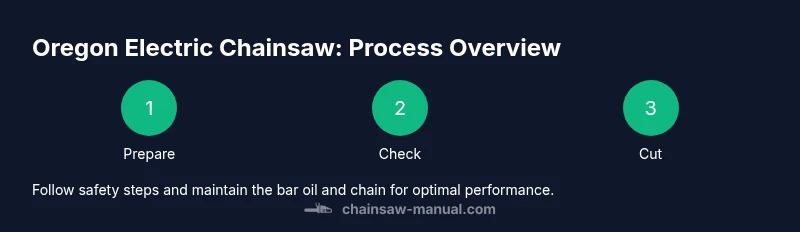
You will learn how to choose, operate, and maintain an Oregon electric chainsaw safely for yard work. This guide covers corded vs cordless options, safety gear, proper start-up, cutting techniques, and routine maintenance. Before you begin, ensure a clear work area, protective gear, and a charged battery or accessible outlet.
Understanding the Oregon electric chainsaw
The Oregon electric chainsaw is a popular choice for homeowners and professionals seeking reliable, low-maintenance cutting power. The electric line includes both corded and cordless models that are well suited for pruning, firewood prep, and small to medium-sized limbs. Electric saws generally provide steadier torque than gas, are easier to start, and require less ongoing upkeep. According to Chainsaw Manual, electric saws like the Oregon line deliver consistent performance with lower noise and zero direct emissions, making them an attractive option for residential yards. In practice, you’ll enjoy quick starts, lighter weight for overhead work, and fewer vibrations, which translates to reduced user fatigue during long sessions. Remember, performance depends on motor quality, chain sharpness, and proper maintenance. By understanding these elements, you can select a model that balances power, weight, and runtime for your typical jobs while keeping safety front and center.
Safety essentials before you start
Before any cutting, assemble your PPE and verify your work zone is safe. Put on a full face shield or safety goggles, hearing protection, cut-resistant gloves, and a protective helmet if overhead work is planned. Wear chainsaw chaps or cut-resistant pants and sturdy boots with good grip. Create a clear, level workspace with stable footing, remove tripping hazards, and establish a retreat path. Keep bystanders at a safe distance and avoid work in poor weather or on slippery surfaces. Also, confirm the power source (cord or battery) is appropriate for the task and fully prepared for use. A quick safety walkthrough reduces the chances of kickback, binding, or line-related hazards and sets the tone for a controlled, confident cut.
How to choose the right Oregon electric chainsaw
Choosing the right Oregon electric chainsaw hinges on understanding power, weight, and user needs. Corded models deliver constant power and are great for longer sessions near outlets, while cordless units offer portability for remote sites. Consider bar length (commonly 12–18 inches for residential work) and chain type for your typical tasks. Lighter saws are easier to maneuver but may have shorter runtimes; heavier models often handle tougher cuts with more reserve. Battery chemistry matters too: high-drain tasks benefit from high-capacity packs, while occasional pruning can get by with lighter cells. Compare noise levels, vibration dampening, chain speed, and built-in safety features like chain brakes and automatic oiling. Finally, factor in maintenance needs and warranty coverage to ensure long-term reliability. Over time, a well-chosen model reduces fatigue and increases safety during routine yard work.
Setup, safety checks, and initial maintenance
Unbox the saw in a clean, dry area and read the user manual before handling the power source. For corded models, verify the extension cord is rated for outdoor use and long enough to reach your work area without creating a tripping hazard. For cordless units, ensure the battery is charged and properly seated. Check chain tension by lifting the chain slightly along the guide bar; it should have a little slack but not sag excessively. Inspect the bar and chain for wear, cracks, or damage, and replace as needed. Ensure the oil reservoir is full and the bar oil nozzle dispenses oil during a quick idle run. Perform a brief test run away from any obstacles to confirm smooth operation.
Safe operating techniques for efficient cutting
Adopt a balanced stance with your feet shoulder-width apart and your weight slightly forward for control. Keep both hands on the saw, with your lead hand on the front handle and the rear hand on the trigger side. Start with light cuts to establish rhythm and work from the stump outward toward branch ends to minimize binding. Maintain a straight cutting path, avoid pinching the bar against the wood, and watch for kickback zones near the tip of the bar. Plan your retreat route and clear the cut of debris as you go. If the chain binds, stop, switch to a different section, and avoid forcing the saw through resistance. After each use, wipe the bar and chain, and store in a dry place away from children and pets.
Maintenance, troubleshooting, and storage
Post-work, clean the exterior and wipe the chain brake mechanism. Check chain tension again after cooling, and sharpen or replace the chain if chips or dullness are evident. Refill the bar oil reservoir and verify oil is reaching the chain during idle and light cuts. Store the saw with the battery removed or disconnected from the cord for corded models, and empty the fuel compartment if applicable—though electric models do not require gas. Inspect the battery and charger periodically for signs of wear, corrosion, or heat buildup, and replace parts as needed. Regular maintenance reduces downtime and extends the life of your Oregon electric chainsaw.
Budgeting, maintenance plan, and long-term care
Plan for a practical purchase range based on your yard size and typical duties. Consider a model with a reliable warranty, accessible parts, and a reputable service network. Create a yearly maintenance schedule that includes chain sharpening, bar inspection, oil reservoir checks, and battery care if cordless. Stay aware of blade wear and motor cooling needs during peak seasons to prevent overheating. Investing in proper storage solutions and protective gear helps preserve performance and safety over time. This approach lowers total ownership costs and ensures your tool remains ready for demanding tasks across many seasons.
Quick-start checklist
- Confirm you have PPE and a clear work area.
- Decide corded vs cordless based on your yard layout.
- Check chain tension and oil level.
- Do a short idle test and then a light cut to verify control.
- Clean and lubricate after use; store properly.
Quick-start checklist (continued)
- Keep a bystander-free zone of at least several meters during use.
- Have a plan for pauses and safe shutdowns.
- Review the manual for any model-specific tips and safety features.
Tools & Materials
- Oregon electric chainsaw (corded or cordless)(Choose model compatible with yard tasks; confirm battery type if cordless.)
- Safety goggles or face shield(ANSI Z87.1 or CE certified.)
- Hearing protection(Pursue at least NRR 20 dB if possible.)
- Cut-resistant gloves(Grip-focused, snug fit.)
- Helmet with face shield(Recommended for overhead work.)
- Chainsaw chaps or cut-resistant pants(Adds layer protection against accidental contact.)
- Non-slip boots(Steel-toe optional for heavier work.)
- Extension cord (for corded models)(Outdoor-rated, heavy gauge.)
- Battery charger (cordless)(Ensure compatibility with battery pack.)
- Bar oil(Use fresh, appropriate viscosity.)
- Owner's manual(Keep for reference on safety features.)
- Wrench or chain adjustment tool(For tensioning and bar maintenance.)
- First-aid kit(Keep nearby in work area as a precaution.)
Steps
Estimated time: 25-40 minutes
- 1
Inspect & prep workspace
Clear the area of debris and bystanders. Check weather conditions and ensure stable footing. Confirm power source is appropriate for the task and within reach, with a plan to retreat if needed.
Tip: Do a quick risk scan before touching the saw to identify potential kickback sources. - 2
Prepare power source
For corded models, lay out an outdoor-rated extension cord. For cordless models, ensure the battery is charged and seated properly. Never operate with a damaged cord or battery.
Tip: Keep the cord behind you when cutting to avoid snagging on branches. - 3
Check chain tension & bar oil
With the saw off, test chain tension by pressing the chain midway along the bar. It should sag slightly but not droop. Confirm the bar oil reservoir is full and the nozzle is clear.
Tip: Adjust tension gradually and re-check after a few minutes of use. - 4
Power on & test idle
Turn the saw on and let it idle briefly to confirm smooth operation. Listen for unusual sounds and watch for saw movement that indicates improper mounting.
Tip: Keep hands away from the bar tip during startup. - 5
Make a controlled test cut
Choose a small, manageable limb and make a shallow cut to evaluate control and response. Stop if the cut binds or binding increases resistance.
Tip: Use a pushing motion with the bars parallel to the wood to minimize kickback. - 6
Proceed with routine cuts
Work in stable, planned passes. Do not force the saw; let the chain and motor do the work. Remove cut debris promptly to prevent binding.
Tip: Alternate sides to distribute wear and maintain balance. - 7
Post-cut maintenance
Wipe surfaces, inspect chain for dullness or damage, and apply bar oil. Remove battery for cordless models and store in a cool, dry place.
Tip: Sharpen or replace the chain when you notice dull cuts. - 8
Store safely
Store the saw out of reach of children and pets, with the chain secured and away from metal objects that could cause rust. Keep manual handy for future reference.
Tip: Schedule a periodic professional check for complex maintenance.
FAQ
Is an Oregon electric chainsaw better for residential use than a gas-powered model?
For most homeowners, electric chainsaws offer quieter operation, easier startup, and lower maintenance than gas models. They’re well suited for pruning, lighter felling, and tasks around the home. Gas saws may still be preferred for heavy-duty cutting or prolonged use where battery life and cord length are constraints.
Electric saws are quieter and easier to start, making them great for home yards, while gas saws excel in heavy-duty tasks requiring long runtimes.
Corded or cordless Oregon electric chainsaw — which should I buy?
Corded models provide consistent power and are ideal when you have reliable outlet access and longer cutting sessions. Cordless models offer portability for remote properties or places without outlets. Choose based on your typical tasks, workspace, and tolerance for charging time.
If you have ready access to outlets and long jobs, go corded; for distant or remote work, cordless gives you flexibility.
What PPE is essential when using an Oregon electric chainsaw?
Always wear safety goggles or a face shield, hearing protection, cut-resistant gloves, and a helmet with face shield when needed. Chainsaw chaps or cut-resistant pants and sturdy boots are advised for overhead or heavy cutting tasks.
Protective eyewear, hearing protection, gloves, and appropriate leg protection are essential for safe operation.
How do I maintain chain tension on an electric chainsaw?
With the saw off, loosen the bar nuts, adjust the chain tension so there is slight sag in the middle of the guide bar, and re-tighten. Safety checks and re-checks after several minutes of use are important to prevent derailment and kickback.
Loosen, adjust, and re-check the chain tension after a few minutes of use.
What is a good maintenance schedule for an Oregon electric chainsaw?
Create a simple routine: inspect chain and bar weekly during heavy use, sharpen or replace dull chains as needed, check bar oil levels before each session, and clean the saw after use. Recharge batteries fully and store safely when not in use.
Keep a regular routine: check, sharpen, oil, and clean after each use to keep the saw performing well.
Watch Video
The Essentials
- Choose corded or cordless based on yard size and power needs.
- Prioritize PPE and a clean, stable work area to maximize safety.
- Regularly check chain tension and bar oil before each session.
- Use proper technique to minimize kickback and improve efficiency.
- Establish a maintenance routine to extend tool life.