Mastering the m12 Chainsaw: Safe Use, Maintenance, and Tips
Comprehensive, safety-first guide to operating and maintaining an m12 chainsaw for pruning and light cutting. Learn PPE, battery care, setup, cutting technique, maintenance, troubleshooting, and real-world practices for homeowners and professionals.


By the end of this guide you will safely operate an m12 chainsaw for pruning and light-cutting tasks. You’ll learn proper PPE, battery handling, and safe starting procedures, plus step-by-step setup and maintenance practices. This quick answer reflects practical guidance from Chainsaw Manual, focusing on safe workflows, efficient battery use, and basic troubleshooting to reduce accidents and extend tool life.
What is the m12 chainsaw?
The m12 chainsaw is a compact, battery-powered tool designed for pruning, limbing, and small-diameter cutting. It is part of the M12 cordless platform, which shares batteries and chargers with other 12V Milwaukee tools, making it convenient for homeowners and professionals who value portability and quick recharges. Because it runs on a 12V system, the saw is lighter and quieter than many gas models, which helps with extended use in tight spaces. For best results, match tasks to its capacity and maintain the chain, guide bar, and battery according to the manufacturer’s guidance. According to Chainsaw Manual, the m12 chainsaw is best treated as a precision tool for controlled cuts rather than a heavy-duty forest lumberjack.
Safety essentials before you start
Before you touch the m12 chainsaw, set up a safe work zone and equip the right PPE. Wear a helmet with a face shield, impact-rated safety glasses, hearing protection, and cut-resistant gloves. Tuck in loose clothing, tie back long hair, and keep bystanders at least a car length away. Clear the work area of trip hazards, ensure stable footing, and plan your cut path before you start. Understanding this safety mindset reduces risk and aligns with Chainsaw Manual’s safety-first approach.
Battery care and maintenance basics
Battery care is central to reliable performance. Fully charge the battery before a session and avoid deep discharges; store packs at moderate temperature and recharge every few weeks if not in regular use. Use the recommended charger and avoid exposing batteries to extreme heat or moisture. Keep contact surfaces clean, check for swelling or damage before use, and rotate spare packs to balance wear. Regular battery maintenance ensures consistent power delivery and prolongs overall tool life.
Setup, starting, and basic operation
Start with a stable stance, feet shoulder-width apart, and the bar pointed away from your body. Engage the chain brake before starting and grip the saw firmly with both hands. Insert a charged battery, ensure the chain is properly tensioned, and verify lubrication. To start, follow the manufacturer’s sequence: after enabling the tool, gently increase throttle while keeping the saw in contact with a non-wood surface or resting on the ground; never start with the chain contacting wood. This routine minimizes kickback risk and protects both you and the tool.
Cutting techniques and ergonomics
Use controlled, steady feeds rather than forcing the saw through wood. Let the chain do the work and avoid biting into the cut. Keep your wrists straight, elbows close to your body, and move with the saw to maintain balance. For pruning or limbing, make relief cuts first to reduce tension and prevent pinching. Always retreat from the cut path after finishing to avoid contact with a swinging limb. This section highlights how to maximize efficiency while minimizing strain.
Maintenance, lubrication, and blade care
After use, wipe the saw and remove debris from the bar and chain to prevent buildup. Check chain tension and adjust if necessary; a tight chain is safer and improves cutting performance. Refill bar oil as needed to maintain smooth cutting and reduce friction. Replace the chain if dull or damaged, and sharpen or file teeth according to the manufacturer’s guidelines. Regular maintenance keeps the m12 chainsaw performing consistently and extends its service life.
Troubleshooting common issues and quick fixes
If the saw feels weak or stalls, verify the battery is fully charged and seated correctly. A dull chain reduces cutting efficiency; sharpen or replace the chain and recheck tension. If the tool does not start, inspect the battery, safety switches, and chain brake; consult the manual for reset steps. For oil dripping or poor lubrication, check bar oil level and unclog the oiling holes. When in doubt, perform a controlled test on a scrap piece of wood to confirm operation.
Real-world use cases and best practices
From pruning high limbs to clearing small brush, the m12 chainsaw shines in tasks that require maneuverability and speed rather than raw power. In urban pruning, its light weight reduces fatigue and increases control around delicate branches. For property maintenance, pair it with a compact extension pole for reach while keeping posture safe. Always store packs in a cool, dry environment and perform a quick safety check before each use.
Tools & Materials
- PPE: helmet with face shield, safety glasses, hearing protection, gloves(ANSI/ISEA compliant)
- M12 cordless chainsaw(Ensure compatibility with your battery system)
- Battery pack(s)(Spare pack recommended for longer sessions)
- Charger(Use the official charger for the battery type)
- Bar oil(Use the viscosity recommended by manufacturer)
- Bar and chain oil drain pan(Optional for leaks during maintenance)
- Tools for tensioning and cleaning (bar wrench, brush)(Kept handy for quick adjustments)
- Stable work surface or sawhorses(Provides secure cutting platform)
Steps
Estimated time: 30-45 minutes
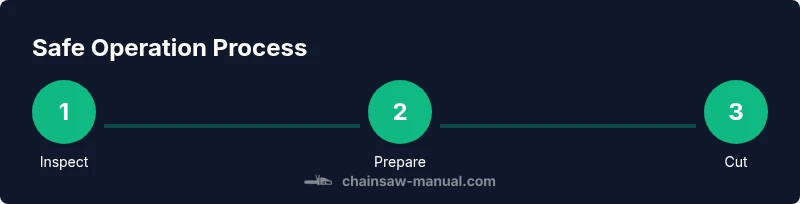
- 1
Inspect equipment and PPE
Perform a visual check of the saw, battery, chain, and bar. Ensure PPE is intact and within reach. Remove any loose items from pockets and secure hair/clothing.
Tip: Always perform a quick check before every use to catch wear or damage early. - 2
Charge and insert battery
Fully charge the battery and insert it firmly into the handle until it clicks. Do not mix old and new packs in the same session. Verify the battery shows a healthy charge before starting.
Tip: Use a cool, ventilated area for charging to extend battery life. - 3
Check chain tension and lubrication
Verify the chain tension follows the manufacturer’s spec—no more than slight wobble. Ensure bar oil flows during operation and the bar is lubricated.
Tip: If in doubt, adjust tension with the built-in tensioning screw while the saw is cool. - 4
Position and start safely
Stand with feet shoulder-width apart, bar pointed away. Engage the chain brake, grip firmly with both hands, and start according to the manual sequence.
Tip: Maintain two-handed control and never start with wood contact. - 5
Make a controlled cut
Begin with light cuts in scrap wood to confirm bite and depth. Feed the saw steadily without forcing it and adjust angle as needed to avoid kickback.
Tip: Let the chain do the work; forcing can cause loss of control. - 6
Shutdown and cleanup
Release throttle, engage brake, and allow the chain to stop. Wipe debris, inspect for wear, re-oil the bar, and store the saw in a safe, dry location.
Tip: Clean after every use to prevent buildup and corrosion.
FAQ
Is the m12 chainsaw suitable for heavy-duty logging?
The m12 chainsaw is designed for pruning and light cutting, not heavy-duty logging. For large-diameter trees or continuous heavy work, consider a higher-capacity saw.
It's best for pruning and light cuts, not heavy logging.
What PPE should I wear when using an m12 chainsaw?
Wear a helmet with a face shield, hearing protection, gloves, and eye protection. Consider cut-resistant pants or chaps for added safety.
Always wear full PPE before you start.
How long does the battery last during typical pruning tasks?
Runtime varies with wood density and cut type; expect shorter sessions on hardwood and with blunt chains. Carry spares for longer work.
Runtime varies; plan for multiple packs.
Can I sharpen the chain on the m12, or should I replace it?
Sharpening with a file is common; replace if teeth are severely worn or damaged. Follow the manufacturer’s angles and tooth counts.
Yes, you can sharpen with proper files.
Is it safe to cut overhead branches with the m12 chainsaw?
Overhead cuts increase risk. Use proper stance and avoid working above shoulder height; if necessary, support the limb and keep a clear exit path.
Be cautious with overhead cuts.
Watch Video
The Essentials
- Inspect PPE and tool before use.
- Charge batteries fully and plan cuts.
- Tension chain correctly for safe operation.
- Store and maintain after each session.