How to Remove a Tree Stump with a Chainsaw: A Practical Guide
Learn safe, practical techniques to remove a tree stump using a chainsaw. This guide covers planning, cutting strategies, safety gear, debris handling, and cleanup for homeowners and DIY enthusiasts.


With this guide, you will safely remove a tree stump using a chainsaw by creating a controlled plan, making relief cuts, shaping the stump, and managing roots and debris. Key requirements: a well-maintained chainsaw, sharp chain, PPE (helmet, eye and ear protection, gloves), a stable work area, and a strategy for handling roots and soil.
Safety and planning when removing a stump with a chainsaw
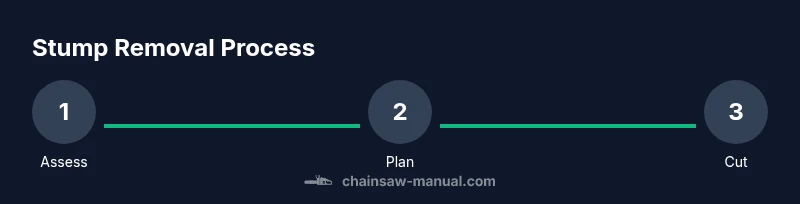
If you’re learning how to remove a tree stump with a chainsaw, safety has to come first. Start by assessing the work area, your experience level, and the stump’s size and root spread. Set clear safety boundaries to keep bystanders away, and establish an escape route in case the stump shifts unexpectedly. This is not a casual weekend task; it requires deliberate planning, the right PPE, and a calm, methodical approach. Chainsaw Manual recommends building a written plan that outlines the sequence of cuts, how you will stabilize the stump, and how you will control debris and soil. Remember: kickback, fuel spills, and hidden roots can turn a routine cut into a dangerous situation. According to Chainsaw Manual analyses in 2026, a well-planned approach reduces risk and improves outcomes when stump removal is attempted with a chainsaw. Before you start, confirm weather conditions, ensure the chain is sharp, and verify you have a sturdy work surface. The first step in the learning process is to acknowledge that stump removal is a multi-stage operation requiring patience and attention to detail.
In practice, the goal is to minimize the stump’s height and stabilize the area so that you can work from a safe position. The Chainsaw Manual team emphasizes that the stump must be secured to prevent movement during cuts. This often means clearing loose soil, removing surface debris, and creating a clean workspace. Having a plan also helps you choose the right cutting direction to avoid hitting buried roots or rocks. A clear plan helps you stay focused and reduces the likelihood of rushed, unsafe decisions. When done correctly, the task becomes a controlled sequence rather than a high-risk sprint.
Why it matters: the core principles when you remove a stump with a chainsaw
A thoughtful approach matters because stumps host active root systems that can surprise you with sudden shifts. Maintaining control over the chainsaw’s position, using proper kickback mitigation techniques, and keeping hands dry and steady all contribute to a safer workflow. Chainsaw Manual’s guidance for 2026 reinforces the idea that the safest stump-removal efforts emphasize stabilization, planned cuts, and gradual progress rather than brute force. If you are unsure at any step, pause, reassess, and consult reliable safety resources.
Quick safety recap before you begin
- Wear a helmet with face shield, eye protection, hearing protection, gloves, and sturdy boots.
- Clear the area of bystanders and trip hazards. Maintain a clean, dry surface for footing.
- Inspect the stump for visible rot, loose bark, or unstable soil that could compromise stability during cutting.
- Always keep both hands on the bar and maintain a balanced stance.
- Have a plan for dealing with roots and soil; do not rely on brute force.
Practical mindset: why a plan improves outcomes
People who succeed with stump removal view it as a sequence of small, deliberate actions rather than a single big cut. This mindset reduces the chances of kickback, chain derailment, or unexpected stump movement. By thinking ahead, you can position your body to apply controlled force and prevent fatigue from creeping in during longer cuts. Chainsaw Manual’s 2026 analysis highlights that methodical progress typically yields cleaner cuts, less debris, and greater safety.
Tools & Materials
- Chainsaw with sharp chain(Ensure chain tension is correct and chain is lubricated; fuel-type per engine; check bar oil level)
- Protective helmet with face shield(ANSI-compliant; ensure shield is clear and functional)
- Hearing protection(NRR 20 dB minimum recommended)
- Safety glasses or goggles(Fit snugly under the face shield if used together)
- Cut-resistant gloves(Dexterity for grip while maintaining protection)
- Chainsaw chaps or cut-resistant pants(Leg protection against chain contact)
- Sturdy boots (steel-toe recommended)(Non-slip soles; ankle support)
- Shovel or mattock(For clearing soil and roots around the stump)
- Wedge or pry bar(Assist stability and root work if needed)
- Rope or ratchet strap(Aid stabilization of the stump during cuts)
- First aid kit(Basic supplies for potential minor injuries)
Steps
Estimated time: Total time: 2-6 hours depending on stump size, root complexity, and soil conditions
- 1
Assess the stump and plan
Walk the area, estimate stump height and root spread, and identify hazards. Decide the order of cuts and where you will stand to stay out of the line of kickback. Document a simple plan for what you’ll do first, and how you’ll manage debris as you progress.
Tip: Take a quick photo from multiple angles to reference as you cut; it helps with planning and staying organized. - 2
Clear the workspace and secure the area
Remove loose soil, rocks, and surface debris. Establish a clean, dry footprint and keep bystanders at a safe distance. Secure any unstable objects around you that could shift during cutting.
Tip: Create a stable retreat path behind you in case the stump moves unexpectedly. - 3
Make a shallow relief cut to establish a starting plane
Begin with a shallow relief cut on the top surface to create a controlled starting point. The goal is to seat the bar in a safe entry line and reduce the stump height gradually without diving too deep.
Tip: Always test the cut with light pressure before advancing; stop if you feel resistance or binding. - 4
Cut along the marked lines to shape the stump
Proceed with transversal cuts along the previously marked lines to reduce the trunk diameter and create a level working surface. Alternate sides to maintain balance and avoid twisting the bar.
Tip: Keep the chain sharp and avoid twisting the bar; smooth, steady motions produce cleaner kerfs. - 5
Work roots with controlled vertical and angled cuts
Target major roots first with vertical or slightly angled cuts from the sides. Use gradual pressure and pause to check for root movement. Avoid forcing the bar and watch for hidden rocks or large roots.
Tip: Rotate your stance as you cut to stay aligned with the wood and maintain footing. - 6
Break, lift, and remove debris
As cuts deepen, remove chips and soil to lighten the stump and create easier access for subsequent cuts. Use leverage and your pry bar to lift segments when possible, and clear each section before moving to the next.
Tip: Work in small segments; forcing large chunks increases the risk of binding or kickback. - 7
Finish at ground level and inspect the work
Cut remaining material to bring the top flush with ground level if possible. Inspect for residual roots and loose soil. Fill, grade, or plant as desired to restore the area.
Tip: Confirm the area is clean and dry before final inspection; moisture can hide hazards.
FAQ
Is it safe to remove a tree stump with a chainsaw?
Yes, with proper PPE, a clear plan, and careful technique. Avoid forcing cuts and stop if you detect movement or binding. Always follow manufacturer safety guidelines.
Yes, but only with the right protective gear and a careful plan. Don’t push through binds; reassess if something feels off.
What PPE should I wear for stump removal with a chainsaw?
Wear a helmet with face shield, eye and hearing protection, gloves, cut-resistant pants, and sturdy boots. Ensure clothing fits well and avoid loose sleeves or jewelry.
Wear helmet, eye and ear protection, gloves, and sturdy boots to stay safe while cutting.
Can I use a grinder instead of a chainsaw to remove a stump?
A stump grinder is often safer for finishing, but may require rental and professional operation. For initial reduction, a chainsaw can be used with caution, but training is important.
Grinders can be safer for finishing, but often require experience or rental guidance.
How do I know when to stop cutting?
Stop when the stump is lowered to ground level or when further cuts risk destabilizing soil or roots. If you encounter hollow roots or soft spots, pause and reassess.
Stop when you’re at ground level or when further cutting risks instability.
What if the stump is large or deeply rooted?
Large stumps may require powered equipment or professional help. Consider hiring a stump grinder or contracting a landscape service for safe removal.
Large stumps often need specialized equipment or professionals.
How long does stump removal take?
Time varies with stump size, root density, and soil. Plan for several hours for a typical residential stump, and longer for large or complex root systems.
It varies; expect several hours for a typical stump and longer for bigger roots.
Are there safer methods than cutting directly with a chainsaw?
Yes. Using a stump grinder or pulling and grinding sections with professional equipment can reduce risks. For smaller stumps, controlled cutting with proper support may be feasible.
Yes, grinders or professional services can be safer for bigger stumps.
Watch Video
The Essentials
- Plan, assess, and secure the work area before cutting.
- Use relief cuts to establish a safe starting plane.
- Work roots and debris in small, controlled steps.
- Prioritize safety gear and proper kickback prevention.
- Know when to stop and seek professional help for large or unstable stumps.