DIY Chainsaw Guide: Safe Step-by-Step Instructions
Learn how to safely perform a diy chainsaw project with practical steps, gear, maintenance, and safety tips from Chainsaw Manual. This expert guide covers planning, operation, storage, and common mistakes.


By following this guide, you will complete a safe, basic diy chainsaw setup and maintenance plan. You'll assess safety, gear, and procedures before operation, perform core pre-cut checks, and plan cuts with risk awareness. The steps emphasize safety and responsible practice. This quick answer highlights essential steps to get started safely.
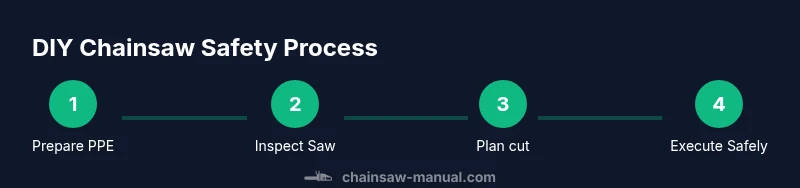
Safety and Planning for a DIY Chainsaw Project\n\nA diy chainsaw project carries real risk, so safety must come first. Before you touch the saw, conduct a simple risk assessment of the workspace, bystanders, and the wood you will cut. The goal is to prevent kickback, loss of control, and fuel-related hazards by planning your approach, choosing appropriate PPE, and keeping your area clean and well-lit. According to Chainsaw Manual, safety should be your first priority in any diy chainsaw project. Prepare PPE (helmet with face shield, hearing protection, gloves, and chainsaw chaps), ensure two-handed control, and maintain a clear escape path. The plan also includes understanding weather and wood conditions, ensuring adequate lighting, and having a first-aid kit nearby. This approach reduces the odds of injury and creates a predictable workflow for beginners and seasoned users alike.
Choosing a Chainsaw and Safety Gear\n\nSelecting the right saw and safety gear is foundational to any diy chainsaw effort. Consider whether you need a gas, electric, or battery-powered model based on your tasks, noise tolerance, and available space. Look for key safety features, such as a chain brake, low kickback chain, inertial chain brake, anti-vibration handling, and a reliable stop/start switch. Equip yourself with PPE that matches the task: a helmet with face shield, ANSI-rated safety glasses, hearing protection, cut-resistant gloves, sturdy boots, and chainsaw chaps. A well-fitting harness or belt helps distribute weight and reduces fatigue during longer sessions. Always inspect gear for wear and replace damaged parts before use.,
Setup, Inspection, and Maintenance Before Use\n\nBefore you start, perform a thorough pre-use check of the saw and its accessories. Inspect the bar and chain for wear or damage, ensure proper chain tension, and verify that the chain brake engages fully. Check bar oil level and fuel or battery charge, depending on your model, and confirm that the fuel cap seals properly. Clean the air filter (for gas or air-cooled saws) and remove any debris that could impede performance. Lubricate moving parts as recommended by the manufacturer and verify that the chain sharpening tools you intend to use are compatible with your chain pitch. This preparation minimizes downtime and protects you from unexpected failures during operation.
Basic Operation Principles and Cut Planning\n\nUnderstand the fundamental operating stance and cutting technique to minimize risk. Stand with feet shoulder-width apart, knees slightly bent, and the saw held firmly with both hands. Keep the saw low and away from your body, and never cut above shoulder height. Plan each cut by assessing the wood’s grain, moisture content, and potential kickback zones. Before you begin, visualize escape routes and remove obstacles that could trip you. For tree or limb removal, start with small, shallow notches, and always be prepared to stop if the wood shifts unexpectedly. The goal is to maintain control, monitor the chain’s condition, and avoid overreaching for leverage. The steps in this guide emphasize safe, deliberate actions over speed, focusing on accuracy and safety.
Common Mistakes and How to Avoid Them\n\nEven experienced users make avoidable errors. Common mistakes include overreaching, cutting with a dull or damaged chain, failing to maintain chain tension, and neglecting PPE. Another frequent error is underestimating kickback risk when the bar is near the wood’s centerline or when the wood pinches the chain. To prevent these issues, perform routine maintenance, resharpen the chain when needed, and keep a sharp, properly tensioned chain during use. Stay aware of the kickback zone and never force the saw through stubborn wood. If the wood binds, back off and reassess rather than forcing the cut. Safety remains the highest priority in any diy chainsaw project.
Maintenance, Storage, and Long-Term Care\n\nPost-use care extends the life of your saw and reduces safety hazards. Clean debris from the cooling fins, bar groove, and chain; wipe down the exterior to remove sap and dirt. Refill bar oil and clean or replace the air filter as needed. Store fuel away from heat sources and ensure the saw is cooled before refueling. For long-term storage, drain fuel or charge batteries according to the manufacturer’s guidance, loosen the chain tension to prevent flat spots, and store in a dry, ventilated area. Regular maintenance, including periodic chain sharpening and inspection, will keep your tool reliable and safer to operate.
Tools & Materials
- Personal protective equipment (PPE) including helmet with face shield, hearing protection, gloves, and chainsaw chaps(Choose ANSI/CE-rated PPE and ensure a proper fit for full protection.)
- Sturdy boots with reinforced toes(Non-slip soles and ankle protection recommended.)
- Chainsaw with chain brake and anti-vibration features(Ensure the saw is in good working order and appropriate for your tasks.)
- Bar oil and appropriate engine fuel or battery charge(Check the manufacturer’s guidelines for fuel mix and oil grade.)
- Spare chain and sharpening file or grinder(Useful for on-site maintenance.)
- Wrench set and screwdriver(For adjusting chain tension and routine maintenance.)
- Chalk line or marker and measuring tape(Helpful for planning precise cuts and marking notes.)
- First aid kit and fire extinguisher(Keep nearby and accessible during all work.)
- Wedges and rope or tie-downs(Wedges assist in felling; rope helps secure the workpiece.)
Steps
Estimated time: 2-4 hours
- 1
Prepare PPE and workspace
Put on all required PPE and set up a clear, well-lit workspace. Clear bystanders and pets from the area. Verify you have immediate access to a first-aid kit and a fire extinguisher. This step establishes a safe baseline for every action that follows.
Tip: Wear the chain brake engaged while moving the saw; it reduces accidental movement. - 2
Inspect saw safety features
Check the chain brake, throttle lock, and stop switch to ensure they function properly. Spin the chain by hand to verify it moves freely without snagging, and inspect the bar for cracks or gouges. Confirm that the chain is sharp and properly tensioned.
Tip: If the chain binds or stalls, stop and adjust tension before resuming. - 3
Check chain tension and sharpness
Set the chain tension so there is slight vertical play in the middle of the guide bar; tighten if needed. Inspect the cutters for dullness or missing teeth and plan sharpening if required. A sharp, correctly tensioned chain reduces kickback risk and makes cutting more efficient.
Tip: Only sharpen with the correct file pitch for your chain; improper sharpening causes uneven cutting. - 4
Fill fuel and bar oil
Fill the fuel tank (gas saw) and bar oil reservoir according to the manufacturer’s guidelines. Wipe any spills immediately and ensure the area is well-ventilated. Start with a dry chain and a cooled engine to avoid fuel-related hazards.
Tip: Avoid overfilling; leave a small air gap for expansion. - 5
Plan the cut and clear the area
Assess the wood, plan a safe cutting path, and identify a clear escape route. Mark the cut line and establish a safe stance, with feet offset and knees bent. Remove loose debris and ensure no overhead hazards are present.
Tip: Always keep your body outside the potential kickback zone during the cut. - 6
Make notch cut and back-cut path
Make a small notch cut on the fall side to guide the wood and reduce binding. Start the back cut from a comfortable position, maintaining a controlled pace to avoid pinching. Stop if the wood shifts unexpectedly or if you sense danger.
Tip: If the tree binds, stop and reassess rather than forcing the cut. - 7
Execute cuts with steady technique
Proceed with smooth, controlled pulls and avoid twisting the saw. Keep the bar close to the wood and avoid overreaching. Maintain a firm stance, watch for bar tip wear, and listen for unusual sounds indicating tension or strain on the saw.
Tip: Take short, deliberate bites rather than long, forceful cuts to reduce kickback risk. - 8
Shutdown, clean, and store safely
Allow the engine to cool, then shut off and remove the fuel source before moving the saw. Clean sap and debris from the chain, bar, and cooling fins. Store in a dry, ventilated location away from heat and weapons or ignition sources.
Tip: Inspect the chain and bar for wear and plan maintenance before the next use.
FAQ
Is it safe to do a diy chainsaw project at home?
A diy chainsaw can be safe with proper training, PPE, and strict adherence to safety practices. Always assess risks, operate in a controlled environment, and be prepared to stop if conditions change.
Yes, but only with strict safety practices and training; if unsure, seek professional guidance.
What PPE is essential for diy chainsaw work?
Critical PPE includes a helmet with face shield, hearing protection, safety glasses, cut-resistant gloves, chainsaw chaps, and sturdy boots. Use all items consistently to minimize injury risk.
Wear full protective gear every time you use a chainsaw.
Can I convert a household saw into a DIY chainsaw?
Modifying a saw for DIY use is not advised because it can compromise safety features and emissions. Use equipment designed for the intended tasks and follow manufacturer guidelines.
Don’t modify your saw for DIY projects; stick to its intended use and safety features.
What should I do if the chain dulls during use?
Stop cutting, remove the fuel source if needed, and sharpen or replace the chain. A dull chain increases effort and risk of kickback and can cause more wood binding.
If the chain dulls, pause to sharpen or replace it before continuing.
How can I prevent kickback?
Maintain a proper stance, keep the nose of the bar away from the kickback zone, use a low kickback chain, and avoid contacting the tip of the bar with wood. Always plan the cut and avoid forcing the saw.
Keep the bar away from the kickback zone and plan each cut.
When should I seek professional help?
If you are unsure about a task, encounter unusual wood behavior, or face ongoing safety concerns, seek guidance from a qualified professional. Don’t perform risky modifications without expertise.
When unsure or facing risky tasks, consult a professional.
The Essentials
- Plan safety-first before every cut.
- Choose appropriate PPE and a suitable saw for the task.
- Inspect and maintain the chain, bar, and safety features.
- Practice controlled techniques to reduce kickback.
- Store and service the saw properly after use.