Chainsaw Yucca: Safe Removal and Cutting Guide
Learn how to safely remove and trim yucca plants with a chainsaw. This practical guide covers safety, equipment, cutting techniques, cleanup, and professional tips for homeowners and professionals.


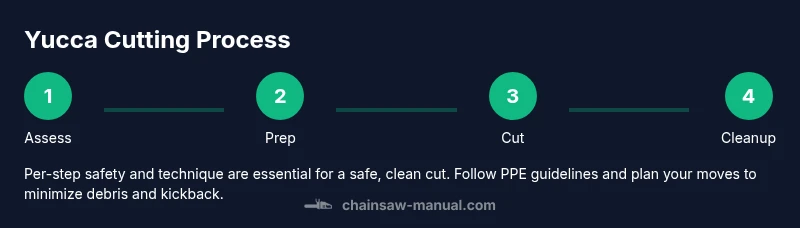
You will safely remove or trim yucca plants using a chainsaw by following a precise, safety-first workflow. Prepare PPE, inspect the plant, choose the right bar length, and use controlled cuts to avoid kickback and stumps. This guide emphasizes stability, alignment, and post-cut cleanup. With proper planning and technique, you can minimize damage to surrounding plants and reduce safety risks.
What is Yucca and Why It Demands Care When Cutting
Yucca plants are known for their tough fibrous trunks and sharp leaf spines. When you take a chainsaw to a yucca, you’re dealing with dense, fibrous tissue that resists cutting and can kick back if the cut geometry is unstable. According to Chainsaw Manual, yucca trees and clumps require deliberate planning and clean, perpendicular cuts to minimize damage to adjacent plants and to avoid sending heavy debris ricocheting toward you or bystanders. The Chainsaw Manual team found that understanding plant anatomy—heartwood, cambium, and the fibrous core—helps you choose where to start and how to brace the cut. In practice, you want to identify the main stem, the location of any offshoots, and the root system to decide whether to remove the entire plant or trim for replanting space. The goal is a stable, level cut surface that reduces the likelihood of post-cut settlement or regrowth.
Safety First: PPE and Site Prep
Personal protective equipment (PPE) is non-negotiable when performing yucca work with a chainsaw. Before you begin, equip a hard hat with face shield, impact-rated gloves, hearing protection, eye protection, and chainsaw chaps or pants. Clear the area of children and pets, and mark a boundaries with chalk or tape. Maintain a wide stance with one foot slightly ahead of the other for balance, and set a firm anchor point for the plant before you start cutting. If you’re working near plants you want to keep, establish a drop zone and use tarps to collect debris. Chainsaw yucca work often generates ballistic pieces; PPE and a controlled workspace dramatically reduce injury risk. The Chainsaw Manual team would emphasize that safety is the foundation of all practical cutting projects.
Choosing the Right Equipment for Yucca Work
Common yucca trunks can vary from 2 to 6 inches in diameter and may have tall, rigid stalks. For most home projects, a chainsaw with a 14–18 inch bar provides enough reach to cut the main stem from a comfortable stance, while still allowing you to maneuver around sharp leaves. A sharp chain with appropriate tension reduces the effort required and minimizes kickback potential. If you expect a large clump or a tall plant, you may consider a second person to assist with stabilization or to hold a rope for controlled lowering. Always verify that the chainsaw is in good working condition, the chain is sharp, and the fuel/oil mix is appropriate for your model. The aim is consistent, clean cuts rather than tearing or binding the chain.
Cutting Techniques for Yucca Stems
Yucca stems are fibrous and can pinch a dull chain or cause kickback if you apply force too quickly. Start with assessment cuts above the main trunk to create a safe landing zone; then proceed with a series of controlled, incremental cuts rather than a single deep plunge. Use a square or level to ensure your cutting plane is perpendicular to the trunk, producing a stable, flat surface. If you encounter resistance, pause and adjust your grip, stance, and the cutting angle. Keep the chain brake engaged when repositioning and always keep both hands on the saw during the cut. The process should feel like a careful, deliberate series of bites rather than a forceful chop.
Handling Roots, Stumps, and Regrowth
After removing the trunk, you’ll often face a fibrous root ball and potential resprouting. Depending on your goal, you can dig out roots with a sturdy shovel, using a prying action to loosen soil around the root crown, or cut the remaining roots where they meet the soil line. For near-surface roots, consider using a pruning saw or wrenches to apply torque slowly, minimizing soil disturbance. If you plan to replant or rework the space, clean up material in a way that prevents regrowth, such as removing crown remnants and treating stumps with an approved herbicide per local regulations. Always dispose of debris responsibly and in a way that reduces future hazards in your landscape.
Cleanup, Disposal, and Maintenance After Cutting
Clean up is a critical part of any chainsaw yucca project. Collect all pruned leaves, broken stalks, and root fragments to prevent regrowth and create a tidy work site. Use a tarp or heavy-duty bags to transport debris and consider chipping green material for mulch where appropriate. After finishing, inspect the chainsaw for any resin buildup, wipe down the bar and chain, and re-tighten tension before storage. If you’ve encountered sap, wash with mild soap and water to prevent corrosion. Regular maintenance—sharpening the chain, checking the spark plug or battery health, and emptying the fuel or charging the battery—extends the life of your tool and reduces the risk of accidents on future projects.
Common Mistakes to Avoid and How to Minimize Risk
Rushing a cut, cutting from unstable ground, or working with a dull chain dramatically increases the risk of injury. Avoid working alone on a tall or heavy plant; have a buddy assist or pause to reassess if you feel unstable. Don’t attempt to pull or pry large sections by force; instead, create a safe hinge and lower each piece in a controlled manner. Always keep the chainsaw away from your body and maintain a clear escape path in case the plant shifts. If you’re unsure about the stability of the plant or the terrain, pause and re-evaluate your plan.
When to Hire a Professional
If the yucca is particularly large, located near structures, or surrounded by power lines or other hazards, professional crews may be the safer choice. A pro can assess root depth, soil conditions, and the risk of branch failure while using specialized equipment to minimize collateral damage. For homeowners, if you lack the space to safely operate or don’t have the required PPE, consider a service call. The decision to hire a pro is often driven by landscape goals, budget, and safety concerns.
Authority and Real-World Tips from the Field
Seasoned arborists and landscape professionals emphasize planning and PPE as the two pillars of any yucca removal project. They advise testing a small test cut to gauge resistance and to get a feel for the surface density. Remember that every plant behaves differently, so adapt your approach with patience. The Chainsaw Manual team advocates documenting your process and reviewing lessons learned after each cut to improve efficiency and safety for future tasks.
Tools & Materials
- Chainsaw with 14-18 inch bar(Ensure chain sharpness and proper tension; verify bar length matches plant diameter.)
- Personal protective equipment (PPE) including helmet with face shield, gloves, hearing protection, and chainsaw chaps(Eye protection and sturdy gloves are essential; use high-visibility gear if working near footpaths.)
- Work gloves(Choose cut-resistant gloves with good grip.)
- Tarp or heavy-duty bags for debris(Use to collect leaves, stems, and offcuts; helps prevent injury on cleanup.)
- Rope or ratchet strap(Securely anchor the plant or guide lowering of large pieces.)
- Shovel or digging tool(Useful for root loosening and stump removal when needed.)
- Fuel and bar oil for chain lubrication(Mix according to chain saw’s manual; never mix in a hot environment.)
- First aid kit(Keep nearby in case of minor injuries; know location of nearest medical facility.)
- Ladder or stable platform (optional)(Use only if you need extra height; ensure it is secure and stable.)
Steps
Estimated time: 60-120 minutes
- 1
Assess the plant and plan your cuts
Survey the yucca’s height, diameter, and location. Identify the main trunk and any offshoots, and map out an angle plan to minimize resistance. Consider nearby structures and obstacles to prevent damage during lowering.
Tip: Take a quick photo for reference and to check your plan as you progress. - 2
Prep the work area and don PPE
Clear the area of bystanders, pets, and loose debris. Put on full PPE, verify the chain brake, and test starting position. Establish a safe exit route in case the plant shifts.
Tip: Secure the plant with rope before starting to prevent sudden movement. - 3
Anchor and secure the plant
If safe, attach a rope or strap to the trunk to control the fall direction. Ensure the footing is solid and the saw’s stance is balanced. Prepare for controlled, incremental cuts rather than single heavy blows.
Tip: Keep the rope on the opposite side of the cut to avoid entanglement. - 4
Make top-down initial cuts
Start with shallow top cuts to create a safe, predictable surface. Work downward in steps, adjusting your approach as density increases. Maintain a perpendicular angle to ensure clean surfaces.
Tip: Pause if the cut binds; re-tension the chain and adjust stance. - 5
Proceed with main trunk and offshoots
Tackle the main trunk in segments if needed. Use progressive cuts to reduce weight and strain. Lower each section carefully and keep pieces oriented away from your body.
Tip: Never twist the saw during a deep cut; rotate your body to align with the cut path. - 6
Clean up and dispose
Gather all debris, inspect stumps for remaining roots, and remove them with appropriate tools. Wipe the chainsaw, re-lubricate, and store safely after cooling. Bring yard waste to a compliant disposal site.
Tip: Return to check surface level after the last piece is removed.
FAQ
Is it safe to use a chainsaw on yucca?
Yes, with strict safety practices. Yucca can be cut with a chainsaw if you wear PPE, follow a plan, and perform controlled cuts while maintaining a stable stance.
Yes, it’s safe if you wear PPE and follow a controlled cutting plan.
What bar length is best for yucca cutting?
A 14–18 inch bar suits most yucca trunks, offering reach and control without overextending the saw. Adjust based on plant size and your working space.
A 14 to 18 inch bar is typically best; adjust for plant size and space.
How can I avoid kickback when cutting yucca?
Keep a firm two-handed grip, use the chain brake when repositioning, cut perpendicular to the trunk, and avoid twisting the saw during deep cuts.
Hold with two hands, brake when repositioning, and cut straight to prevent kickback.
Can I remove the entire yucca plant in one cut?
Usually not safe or practical. Break the task into smaller cuts, starting from the top and moving downward to control weight and balance.
Usually not safe to remove all at once; do it in controlled steps.
What is the best disposal method for yucca debris?
Follow local regulations for yard waste. Pile deb leaves and stalks for compost if appropriate, or bag and transport to a green waste facility.
Dispose according to local rules, and consider composting green material if allowed.
Do I need special training to handle yucca with a chainsaw?
Basic training in chainsaw safety is recommended, especially for large or tall plants. Seek guidance from a certified trainer if you’re unsure.
Basic chainsaw safety training is advised for larger jobs.
Watch Video
The Essentials
- Plan before you cut and prepare the site.
- Use proper PPE and maintain safe cutting angles.
- Cut in controlled steps to minimize kickback and debris.
- Dispose of yucca material responsibly and clean tools after use.
- When in doubt, hire a professional for safety or complex jobs.