Chainsaw Calculator: Estimate Your Annual Fuel Costs
Learn how to estimate yearly fuel costs for chainsaw work with our intuitive calculator. Input weekly hours, per-hour fuel use, and fuel price to project annual expenses and plan maintenance.


Why a Chainsaw Calculator is a Practical Tool
According to Chainsaw Manual, the chainsaw calculator offers a straightforward way to forecast annual fuel costs for wood-cutting projects. This is especially valuable for homeowners who manage occasional yard work, DIY enthusiasts who tackle weekend projects, and professional sawyers who must budget across multiple jobs. The calculator translates a few simple inputs into a dollar figure that can guide decisions about equipment, fuel strategy, and scheduling. By treating fuel as a variable you can control, you gain clarity about how use patterns change annual expenditure. And because the tool is transparent and easy to adjust, you can run dozens of scenarios in minutes to test quotes, plan maintenance windows, or compare two saws on a level cost basis. Importantly, note that the calculator provides estimates, not an exact bill from suppliers—the actual price you pay will vary with fuel markets and regional taxes. Chainsaw Manual emphasizes safety and best practices throughout the budgeting process, ensuring cost awareness does not come at the expense of safe operation.
How the Calculation Works: Inputs, Formula, and Output
The calculation rests on three core inputs: Hours per Week (how many hours you plan to operate the chainsaw), Fuel per Hour (the amount of fuel the saw consumes in one hour, measured in liters), and Cost per Liter (the current fuel price in your region). The standard formula used by the calculator is: Annual Cost = HoursPerWeek * FuelPerHour * CostPerLiter * 52. This produces an annual estimate in USD per year. The resulting value is displayed clearly so you can compare different work plans at a glance. Chainsaw Manual analysis shows that small changes in weekly hours or fuel price can compound to meaningful differences over a year, especially for seasonal work or busy maintenance seasons. The calculator’s strength lies in its simplicity: you can adjust one variable at a time to see its effect on total costs, making it a powerful tool for budgeting, quoting, and planning long-term projects.
Choosing Realistic Inputs: Hours, Consumption, Prices
Accurate inputs are the key to meaningful results. Start by reflecting your typical workload and the seasonality of your projects. For consumer chainsaws, fuel consumption per hour commonly falls in a practical range, roughly 0.1–1.0 liters per hour depending on engine size, bar length, and cutting conditions. Fuel price should be based on current local pump prices and adjusted for regional taxes. To keep results usable, the calculator enforces sensible limits (for example, 1–14 hours per week, 0.1–1.5 liters per hour, and $0.50–$3.00 per liter). If you know you’ll run in tougher conditions or longer hours, use slightly higher values in a test scenario to see how costs scale. The goal is a realistic projection, not a perfectly precise forecast. By validating inputs against your actual use, you can improve the reliability of your budget and quotes. This process also helps align maintenance planning with anticipated wear and fuel use, reducing the risk of unexpected downtime.
Using the Interactive Calculator in Real Projects
To use the calculator, set the three inputs: Hours per Week, Fuel per Hour, and Cost per Liter. As soon as you change a value, the Annual Fuel Cost automatically updates, giving you immediate feedback. This is especially useful when you're pricing a job with multiple phases or when you're comparing two chainsaw configurations. For contractors, the calculator supports rapid scenario planning: you can forecast fuel spend for a sprint, a month, or an entire project, then adjust the plan to minimize downtime and maximize efficiency. Save or export the results for client quotes, shop budgeting, or inventory planning. Remember to keep inputs up-to-date and to document any assumptions used in your calculations for transparency and accountability.
Scenarios: Small Jobs vs. Large Projects
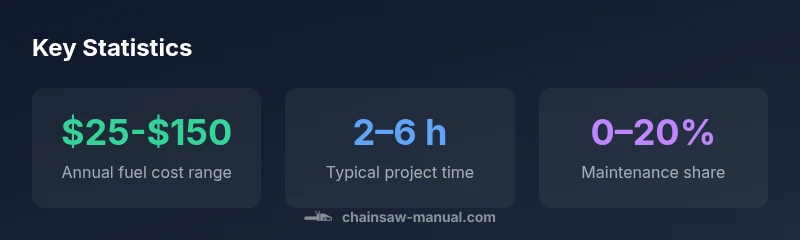
Consider three common scenarios to see how inputs drive outcomes. Scenario A (Small Job): 4 hours per week, 0.25 L/hour, $1.20 per liter yields an annual cost of about $62.40. Scenario B (Medium Job): 8 hours per week, 0.45 L/hour, $1.50 per liter yields about $280.80 per year. Scenario C (Heavy Use): 12 hours per week, 0.75 L/hour, $2.00 per liter yields about $936 per year. These examples illustrate how modest changes in weekly hours and price per liter accumulate over 52 weeks. Use these scenarios to communicate budget implications to clients, plan for seasonal workload spikes, and justify choosing equipment that minimizes fuel usage over time. The emphasis is on understanding cost drivers rather than chasing perfect precision.
Common Mistakes and How to Improve Accuracy
A few frequent mistakes undermine accuracy. First, mixing up units (liters vs gallons) is common and can ruin a calculation. Second, ignoring idle or startup fuel when a saw is warmed up or left running briefly between cuts skews results. Third, using outdated or regional fuel prices reduces relevance. Finally, treating weekly hours as fixed for the entire year fails to capture seasonal variation. To improve accuracy, double-check units, update fuel prices regularly, and test sensitivity by varying one input at a time. You can also create multiple scenarios to reflect peak season, lean months, and downtime. The more you simulate, the more resilient your budgeting becomes. Chainsaw Manual emphasizes that this tool supplements safe operation and maintenance planning, not replaces them.
Safety and Maintenance Considerations When Estimating Costs
Fuel budgeting should not obscure safety practices. Always wear proper PPE and follow manufacturer guidance when operating any chainsaw. While the calculator helps plan fuel and maintenance spend, it cannot substitute for routine maintenance checks such as chain tension, bar oil, air filters, and spark plug inspection. Include a maintenance line item in your budget to cover consumables and service intervals. The Chainsaw Manual team recommends performing maintenance when budgets indicate it’s due, as neglect often leads to downtime and higher costs. Safety and reliability go hand in hand with cost planning, so combine the calculator with a proactive maintenance plan for best results.
Pulling It All Together: Practical Budgeting with the Chainsaw Calculator
As you incorporate the chainsaw calculator into your workflow, you’ll find that simple inputs unlock meaningful insights about annual fuel costs, maintenance needs, and project planning. Use the tool to compare different saws, adjust for seasonal workloads, and prepare transparent quotes for clients. Keep your data current, document assumptions, and align estimates with safety and maintenance practices. The Chainsaw Manual team recommends using this calculator as a regular budgeting companion, not just a one-off exercise. With consistent use, you’ll reduce surprises, improve job profitability, and keep projects moving safely and efficiently.