Big Chainsaw Stihl: Safe Use and Maintenance Guide
Safe handling, starting, cutting, and maintenance tips for big chainsaw Stihl models. A practical guide for homeowners, DIY enthusiasts, and professionals.


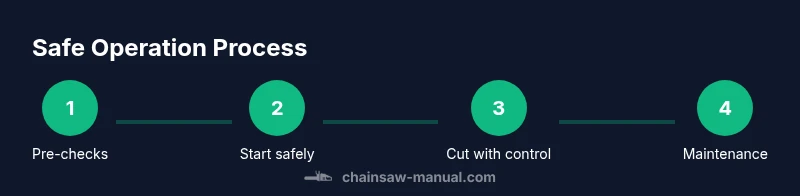
This guide will show you how to safely operate and maintain big chainsaw stihl models, with emphasis on PPE, correct starting procedures, controlled cutting techniques, and routine upkeep. You’ll learn how to assess your work area, prepare the saw, and execute cuts with power and precision while minimizing risk. By following these steps, homeowners, DIYers, and professionals can work efficiently without compromising safety.
Why big chainsaw stihl safety matters
In the world of heavy-duty cutting, big chainsaw stihl safety cannot be overstated. The power and size of these tools demand meticulous preparation, protective gear, and a clear plan before you touch the throttle. According to Chainsaw Manual, a strong safety routine reduces kickback risk, operator fatigue, and accidental contact with the bar. This article unpacks core safety principles, how to assess the job site, and what can go wrong when precautions are skipped. For homeowners and professionals using a Stihl model, building a safety-first mindset saves time, material, and you from serious injuries. Expect practical, hands-on guidance tailored to real-world work conditions on job sites or at home.
PPE and protective gear for big saws
Protective equipment is not optional when you’re handling a big chainsaw stihl. A proper PPE setup includes a helmet with face shield, hearing protection, cut-resistant chaps, sturdy gloves, and steel-toed boots. Eye protection and a high-visibility vest improve visibility on busy sites. This section covers what to wear, how to fit gear correctly, and why each piece matters for reducing injury risk. By using appropriate PPE, you’ll experience less fatigue and more confidence as you work through demanding cuts. Chainsaw Manual emphasizes that PPE should be inspected before every use and replaced when damaged or worn.
Selecting a big chainsaw stihl model
Choosing the right big chainsaw stihl model depends on the job size, wood type, and your experience level. Consider engine displacement, power-to-weight ratio, anti-vibration features, and bar length suitable for the timber you’ll tackle. Lighter models may be easier to handle for routine tasks, while heavier-duty units offer raw torque for large logs. This section helps you compare specs, understand safety features like chain brake and inertia systems, and match the tool to your workflow. Remember, the model’s reliability and parts availability impact long-term upkeep, so consider manufacturer support and readily available accessories.
Fuel, oil, and maintenance basics
Big chainsaw stihl models rely on a proper fuel mix and clean oil system for peak performance. Learn the recommended fuel-to-oil ratio for two-stroke engines, the importance of fresh fuel, and how bar oil quality affects cutting performance. Routine cleaning—air intake, cooling fins, and the saw’s exterior—prevents overheating and wear. This section outlines simple maintenance habits that protect your investment, such as checking the air filter, inspecting the spark plug, and cleaning the intake screen after long cuts. Consistent care reduces downtime and extends service life.
Safe starting and startup sequence
Starting a large chainsaw requires a deliberate, controlled sequence to prevent kickback and sudden throttle. Always place the saw on a stable surface, engage the chain brake, and hold the front handle with a firm stance. Use the choke as recommended by the operator manual, then gradually ease off as you reach idle. If the saw doesn’t start after several pulls, pause and inspect for fuel issues, air leaks, or a fouled plug. A calm, methodical approach minimizes injuries during the critical startup phase.
Cutting techniques for large timber
Large timber requires thoughtful positioning, planed cuts, and consistent chain speed. Position your body to maintain balance, keep the bar perpendicular to the cut line, and use a two-step approach: make a shallow relief cut to prevent pinching, then progress with controlled depth. Maintain steady RPM and avoid twisting the body to push the saw. This section demonstrates practical techniques for bucking, notching, and felling small to medium logs with a big chainsaw stihl while reducing stress on the saw and user.
Kickback risks and how to avoid them
Kickback is a major hazard when operating a big chainsaw stihl. Minimize risk by keeping the chain out of pinch points, using the right-angled bar, and never cutting with the tip of the bar unless absolutely necessary and controlled. Always engage the chain brake when moving between cuts and maintain a solid, balanced stance. This section explains common kickback scenarios and proactive steps to prevent injury, including planning escape routes and keeping the work area free of obstacles.
Maintenance routine you can perform
A simple, repeatable maintenance routine keeps your big chainsaw stihl performing at its best. After each use, wipe the saw down, check chain tension, and refuel with clean oil. Periodically inspect the chain, bar, and guides for wear, and replace them as needed. Document service intervals and use the manufacturer-approved parts and lubricants. Regular upkeep prevents downtime and ensures consistent cutting performance across projects.
Transport, storage, and decontamination
Store the saw in a secure, dry location with the chain brake engaged and the bar cover in place. When transporting, use a protective case and secure the unit to prevent movement. Before long-term storage, drain fuel if advised by the manual and clean the saw’s exterior to prevent corrosion. This section offers practical steps to preserve performance and prevent leaks or contamination during storage and transit.
Common mistakes to avoid
Even experienced users make avoidable errors with big chainsaw stihl machines. Avoid skipping warm-up periods, neglecting chain tension checks, and ignoring warning signs of overheating or unusual noises. Don’t refuel a hot engine, and never bypass safety features. Recognize when fatigue is setting in and take a break to prevent accidents. This section highlights recurring missteps and how to prevent them through disciplined habits.
When to upgrade or seek professional service
No tool lasts forever. If cutting becomes noticeably harder, if the chain dulls quickly, or if vibration seems excessive, consider professional servicing or upgrading to a model with updated ergonomics and safety features. Your choice should balance performance, reliability, and maintenance realities. The goal is to maintain safe operation while maximizing productivity on demanding projects.
Quick checks before you start a session
Before every session, perform a quick checklist: confirm PPE is in place, ensure the chain brake is engaged, verify fuel and oil levels, inspect the chain’s sharpness and tension, and clear the work area of hazards. A rapid pre-check reduces surprises mid-cut and helps you begin work with confidence. By establishing a consistent pre-start routine, you protect yourself and your equipment from avoidable mishaps.
Tools & Materials
- PPE safety gear kit(Hard hat with face shield, hearing protection, cut-resistant chaps, non-slip gloves)
- Stihl two-stroke fuel mix(Follow the manufacturer’s ratio for your model; mix in a clean container)
- Bar oil(Use fresh oil appropriate for your climate and saw model)
- Fuel can and funnel(Refuel away from ignition sources; never refuel a hot engine)
- Sprocket cover tool / scrench(Tightening/adjusting bar nuts and chain tension)
- Chain sharpening/file kit(Include a file gauge; check tension after sharpening)
- First aid kit(Basic wound care and emergency supplies)
- Work gloves(Cut-resistant if possible; ensure a good grip)
- Rope or tie-downs(Securing the saw during transport or storage)
- Cleaning brush(For debris removal from air intake and cooling fins)
Steps
Estimated time: Estimated total time: 2-3 hours
- 1
Inspect area and saw
Clear the cutting area of trip hazards and ensure good lighting. Check the chain brake, throttle lock, and overall saw condition. Confirm fuel and oil levels before starting.
Tip: Do a quick visual check of the chain for any missing teeth or nicks. - 2
Check fuel and oil levels
Verify the fuel mix matches your model’s requirements and ensure the bar oil reservoir is topped up. Low oil can lead to excessive bar wear and overheating.
Tip: Always use clean fuel and oil to avoid varnish buildup. - 3
Inspect the chain tension and sharpness
Ensure the chain is properly tensioned with no slack and that the cutting teeth are sharp. A loose or dull chain increases kickback risk and reduces efficiency.
Tip: If in doubt, re-tension and sharpen before starting. - 4
Don PPE and engage safety devices
Put on helmet, face shield, ear protection, gloves, and protective chaps. Engage the chain brake and confirm that the throttle lockout works.
Tip: Double-check that your footing is solid and free of slip hazards. - 5
Prepare for start
Place the saw on a stable surface, hold the front handle with a firm stance, and keep the bar away from your body. Use the correct starting procedure for your model.
Tip: Never start with the saw in your hands while the blade is near you. - 6
Start the saw safely
Follow the manufacturer’s start sequence: adjust choke as needed, pull the starter handle smoothly, and gradually disengage the choke as the engine fires.
Tip: If the engine doesn’t start after several attempts, pause and inspect for fuel or air issues. - 7
Establish stance and grip
Stand with feet shoulder-width apart, one foot slightly forward for balance. Grip the saw firmly with both hands and maintain a controlled stance to absorb kickback energy.
Tip: Keep the saw close to your body to improve control. - 8
Make a controlled cut
Begin with a shallow relief cut to reduce pinching, then deepen the cut gradually while maintaining steady chain speed.
Tip: Don’t force the saw; let the bar do the work. - 9
Use wedges and retreat
When felling or bucking, insert wedges to direct the fall and retreat to a safe zone before completing the cut.
Tip: Plan an exit route before you start the final cut. - 10
Refuel safely after cooldown
If refueling is required, turn off the engine and allow it to cool. Refuel in a clean area away from sparks and moisture, then wipe spills.
Tip: Never refuel while the engine is hot. - 11
Clean and perform maintenance
Wipe the exterior, inspect the air intake, clean the chain groove, and check chain tension and lubrication after use.
Tip: Record any unusual wear and replace worn parts promptly. - 12
Store the saw properly
Cool the saw, engage the chain brake, cover the bar, and store in a dry, secure place.
Tip: Keep fuel away from heat sources and children.
FAQ
What PPE is essential when using a big chainsaw stihl?
Essential PPE includes a helmet with face shield, hearing protection, cut-resistant chaps, gloves, and steel-toed boots. Eye protection and high-visibility clothing improve safety on busy worksites. Always inspect PPE before use and replace worn items.
Always wear a helmet with face shield, hearing protection, cut-resistant chaps, gloves, and steel-toed boots. Inspect gear before use to stay safe on the job.
How often should I sharpen the chain on a big Stihl?
Sharpen the chain whenever you notice reduced bite, increased effort, or smoke from the cut. Check tension and lubrication after sharpening. Keep a sharpening kit handy for quick maintenance.
Sharpen the chain when it dulls or when cuts require more effort. Check tension after sharpening and keep lubrication consistent.
Is it safe to refuel a running saw?
No. Refuel only after the engine has cooled and away from ignition sources. Wipe any spills and avoid refueling indoors or near flames. Carry fuel in an approved container and never overfill.
No, refuel only when cool and away from fire. Wipe spills and use an approved fuel container.
What maintenance tasks are essential after heavy use?
Clean the exterior, inspect the air filter, check chain tension, and ensure the bar oil system is functioning. Replace worn parts promptly and log service intervals for future reference.
Clean the saw, inspect filters, tension the chain, and check oil flow after heavy use.
How can I reduce kickback risk with a large chainsaw?
Use the full-swing side of the bar, keep the saw at waist height, and avoid the tip of the bar when possible. Maintain a wide stance and strong grip, and plan escapes routes before making cuts.
Keep the bar away from the tip, stay balanced, and plan your escape path to reduce kickback risk.
Watch Video
The Essentials
- Wear full PPE and verify safety features before starting.
- Maintain proper chain tension, sharpness, and lubrication.
- Plan cuts, use wedges, and retreat to a safe zone when necessary.
- Follow manufacturer procedures for starting, refueling, and maintenance.
- Store and transport the saw securely to prevent accidents.