Gas Powered Pole Saw Guide: Safe Use, Maintenance & Tips
Learn to safely operate a gas powered pole saw with a practical, step-by-step guide. From fueling to pruning, safety gear, and maintenance, Chainsaw Manual covers proper technique and storage.


You will learn to safely set up, fuel, start, and operate a gas powered pole saw for pruning tall limbs. This guide covers pre-use safety, correct fuel handling, cutting techniques, maintenance, and storage. Expect practical steps, tool lists, and pro tips to reduce kickback and spills. It also highlights when to seek professional service and how to assess chain wear.
Why a gas powered pole saw shines for tall pruning
A gas powered pole saw offers real reach and cutting power for pruning tall limbs, allowing you to work from the ground without constantly repositioning ladders. The Chainsaw Manual team notes that the combination of a long pole and a two-stroke engine gives you mobility and sustained torque where corded tools fall short. This is especially valuable in larger yards or wooded properties where electric tools may lack range and portability. That said, this advantage comes with responsibilities: proper fuel handling, routine maintenance, and strict safety adherence. By understanding how fuel, oil, and chain tension interact with your cutting technique, you can prune confidently and protect tree health while keeping your workspace clean and organized.
In practice, a gas powered pole saw handles small to medium limbs with ease. For trunk work or thick branches, plan sectional cuts, working from the outside in and taking small bites rather than trying to sever a large limb in one pass. Weight distribution and the long pole encourage deliberate, controlled strokes rather than fast, reckless sawing. With patience and planning, the tool becomes a productive extension of your arms rather than a burden to manage. The Chainsaw Manual approach emphasizes safety first, followed by repeatable technique that reduces stress on joints and minimizes vibration fatigue during longer sessions.
Safety prerequisites before you start
Safety is non-negotiable when operating a gas powered pole saw. Before you turn the engine, don full PPE: a helmet with face shield, hearing protection, cut-resistant gloves, and chainsaw chaps. Clear the work area of people, pets, and obstacles, and mark a safe retreat path in case of kickback or a dropped limb. Establish a stable stance; on uneven ground consider a platform or stabilizing stand and have a helper if possible. Inspect the pole saw for damage: chain sharpness, bar oil level, chain brake function, spark plug condition, and general fuel system integrity. Never start a gas powered pole saw in an enclosed space or with fuel leaks present. If you notice unusual noises, smoke, or leaks, pause the task and service the tool.
According to Chainsaw Manual, a pre-use safety checklist dramatically reduces injuries and equipment damage when dealing with gas powered pole saws. Take a few minutes to verify that the chain brake engages, the chain tension is correct, and the anti-kickback features perform as designed before proceeding with any cuts.
Tools and materials you'll need
Preparing the right tools and materials sets you up for smooth operation. Essential items include: PPE as described above; a labeled fuel container and funnel for safe refueling; the correct fuel/oil mix per the manufacturer; bar and chain oil for lubrication; a scrench or small tool kit to tension the chain and adjust fasteners; a clean rag for wipes and minor cleanups. Keep a fire extinguisher or water source nearby when refueling and operating, and have a first aid kit accessible in case of minor injuries. Always store fuel away from ignition sources and in a well-ventilated area. Organize your workspace with a stable surface for maintenance and a clear drop zone for cut limbs to prevent trips and injuries.
Fueling, oiling, and starting a gas powered pole saw
Fueling a gas powered pole saw requires attention to safety and manufacturer recommendations. Use a clean container, label it clearly, and mix fuel according to the manual’s guidance; never mix fuels in a living or confined space. Fill the bar oil reservoir before starting to ensure consistent lubrication during use. When starting, follow the manufacturer’s starting procedure (highly model-specific) and take care with choke or priming steps. Never refuel while the engine is hot and never attempt to refuel inside your vehicle or in a closed environment. After fueling and starting, let the saw warm up for a minute to ensure stable idle and steady RPM before engaging the blade.
During operation, maintain a balanced stance, keep your hands clear of the chain and bar, and be mindful of saw kickback. Use smooth, controlled motions rather than aggressive bursts of speed, and always keep the tool below shoulder height when cutting from any elevated position. If you detect overheating, reduced power, or unusual vibration, stop and inspect the chain, bar, and fuel lines; continuing to run a damaged unit can cause accidents or further damage.
Cutting techniques and body positioning with a gas powered pole saw
Effective cutting with a gas powered pole saw combines planning, posture, and pace. Start with a clear path and secure footing. Stand slightly to the side of the branch to avoid the blade in your line of sight and to prevent kickback into your body. For smaller limbs, position the tip of the bar outward to avoid pinching and use a slight back-cut to help a clean release. When cutting overhead or at height, use the lower portion of the branch to initiate the cut while supporting the limb with the opposite hand. Make relief cuts to prevent binding and bind-free falls; never squeeze the trigger and yank the saw through a limb. Regularly check chain tension; a loose chain can derail the cut, while an over-tight chain can increase friction and heat. Keep both hands on the saw and avoid standing directly under the limb you are cutting.
A key safety reminder: never work alone on tall pruning tasks. Maintain a steady rhythm, pause to assess branch conditions, and keep your moisture and energy up to maintain footing and focus during long sessions. The deliberate pace reduces fatigue and improves precision, especially when using a gas powered pole saw for extended pruning tasks.
Maintenance and cleaning after pruning
Post-use maintenance keeps your gas powered pole saw ready for the next job. Let the engine cool before handling fuel components. Wipe down the exterior with a clean rag, remove dust and sap from the bar and chain, and inspect for wear. Check the chain tension and adjust as needed; a loose chain causes poor cutting and a tight chain risks derailment. Refill the bar oil reservoir and fuel tank if needed, and store in a cool, ventilated area away from heat sources. Check air filters and clean or replace as required. If you notice unusual exhaust, power loss, or visible damage, schedule service before the next pruning job. Regular maintenance extends engine life, preserves cutting performance, and reduces the risk of unexpected breakdowns during critical pruning work.
Troubleshooting common issues with a gas powered pole saw
If the engine won’t start, confirm there is fuel, the spark plug is clean, and the choke is used correctly per the manual. If the engine runs briefly then dies, check for an over-fuel condition, carburetor blockages, or a dirty air filter. A saw that won’t cut consistently suggests chain tension issues, dull teeth, or insufficient bar oil; re-tension or replace the chain, sharpen teeth, or adjust oil flow as needed. Excessive smoke or overheating indicates fuel quality problems, inappropriate mix ratio, or clogged cooling fins. When in doubt, consult the service manual or contact a qualified technician. Always perform a post-mortem after a failure to determine root cause and prevent recurrence.
When to replace parts or seek professional service
Gas powered pole saws rely on a handful of wearable components that naturally degrade with use, including the chain, bar, and air filter. If a chain repeatedly dulls, jumps or pulls, or if the bar shows heat discoloration or cracks, replace the parts rather than forcing a compromised cut. If the engine shows persistent power loss, difficulty starting, or unusual noises despite routine maintenance, seek professional service. Regular professional tune-ups can extend longevity, maintain cutting performance, and prevent safety hazards during demanding pruning tasks. Consider scheduling annual checks before peak pruning seasons to keep your gas powered pole saw performing at its best.
AUTHORITY SOURCES
- OSHA: Chainsaw safety standards and guidelines: https://www.osha.gov/laws-regs/regulations/standardnumber/1910/1910.266
- University Extension (safety practices): https://extension.oregonstate.edu/forests-and-woodlands/chainsaw-safety
- Penn State Extension: Safe operating practices for chainsaws and related equipment: https://extension.psu.edu/safe-operating-practices-for-chainsaws
Tools & Materials
- Gas powered pole saw(Inspect chain, blade, and pole length before use)
- Fuel container and funnel(Use a labeled container; refuel away from ignition sources)
- Fuel/oil mix (manufacturer guidance)(Follow the manual; prepare in a well-ventilated area)
- Bar and chain oil(Keep reservoir filled; check for leaks)
- Screwdriver / scrench (adjustment tools)(Tension chain and adjust fasteners safely)
- Personal protective equipment (PPE)(Helmet with face shield, hearing protection, gloves, chainsaw chaps)
Steps
Estimated time: 60-90 minutes
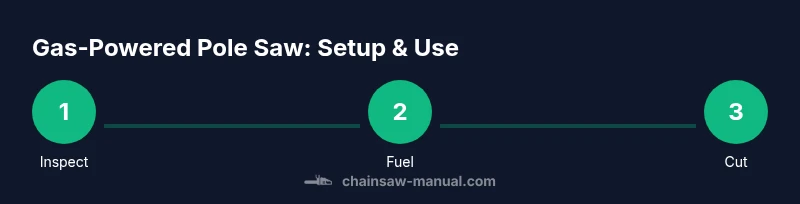
- 1
Inspect gear and plan
Begin by checking the gas powered pole saw for damage, verifying chain tension, and ensuring the bar oil reservoir is full. Scan the work area for hazards and identify the pruning plan for the day. Confirm you have all required PPE and a partner if working at height.
Tip: Pro tip: Do a quick warm-up check on RPM and idle to prevent stalling mid-cut. - 2
Prepare fuel and oil
Mix fuel according to the manufacturer’s guidance and pour into a labeled container. Refill the bar oil to ensure clean, continuous lubrication during the first passes. Keep all fueling in a well-ventilated area away from flames.
Tip: Pro tip: Avoid overfilling; leave a small headspace to prevent spills when moving the saw. - 3
Fuel and start the saw
Move the saw to a stable work surface, engage the chain brake, and start following the manual’s steps. Allow the engine to warm up for a minute so RPM stabilizes before you begin cutting. Maintain a firm grip with both hands and a balanced stance.
Tip: Pro tip: If using a choke, reset to opens once the engine runs consistently to prevent flooding. - 4
Position the pole and limb
Extend the pole to a comfortable height, keeping your body out of the limb’s fall path. Stand with feet shoulder-width apart and maintain a slight bend in the knees for stability. Plan a cut location that reduces kickback risks and ensures you have a safe escape route.
Tip: Pro tip: Use a guide limb to hold the branch while you position the saw for the first cut. - 5
Make the initial cuts
Begin with relief cuts or notch cuts to relieve tension and prevent the limb from pinching the chain. Use controlled, incremental cuts rather than forcing through heavy wood. Keep the saw below shoulder level and avoid cutting above your reach.
Tip: Pro tip: Make a small relief cut on the underside first to prevent the limb from pinching. - 6
Proceed with the main cut
Continue with a series of shallow passes from the outside toward the center, ensuring the limb is supported on both sides as you progress. Pause to reposition if the limb shifts or binds the chain. Maintain a firm grip and steady pace to prevent kickback.
Tip: Pro tip: Always have a plan for retreat if the limb begins to fall unexpectedly. - 7
Post-cut checks and cleanup
Once the limb is removed, recheck chain tension and oil levels. Wipe down sap and debris, and inspect for any damage after the cut. Clean the air intake and spark plug if needed and prepare the saw for storage.
Tip: Pro tip: Store fuel separately from the saw and allow the engine to cool before storage. - 8
Store and plan next steps
Return the tool to a dry, ventilated storage area, away from heat. Document any issues or parts that may require service before your next pruning session. Schedule routine maintenance to extend the tool’s life and keep cutting performance high.
Tip: Pro tip: Schedule a quick post-season tune-up to catch wear before the next busy period.
FAQ
Is a gas powered pole saw suitable for beginners?
A gas powered pole saw can be used by motivated beginners, but it requires careful attention to safety, fuel handling, and maintenance. Start with small, low-risk limbs and always wear proper PPE. Consider training or supervision for your first sessions.
Yes, beginners can use a gas powered pole saw with proper safety gear and guidance. Start with small limbs and correct fueling and start procedures.
What fuel mix should I use for a gas powered pole saw?
Use the fuel and oil mix specified by your saw’s manufacturer. Do not improvise ratios. Mix in a well-ventilated area and store fuel away from heat sources. Always label containers for safety.
Mix according to the manufacturer’s guide and handle fuel in a ventilated space. Label containers clearly.
How do I safely start a gas powered pole saw?
Follow the specific starting procedure for your model, including chain brake engagement and appropriate choke or priming steps. Wait for the engine to warm up before cutting, and never start indoors or near unventilated areas.
Follow your model’s starting steps, keep the chain brake on, and warm up before cutting.
How often should I sharpen or replace the chain?
Inspect the chain for dullness after several cuts. Sharpen when cutting efficiency drops, and replace the chain if there are missing teeth or excessive wear. Regular maintenance keeps performance high and reduces the risk of accidents.
Check for dull or damaged teeth and sharpen or replace as needed to keep performance safe.
Can I operate a gas powered pole saw near overhead lines or in restricted spaces?
Avoid working near power lines or in restricted spaces where balance and control may be compromised. Maintain a clear escape route and never cut above shoulder height in a way that risks contact with hazards.
Stay clear of overhead lines and restricted spaces; keep a safe stance and clear exit path.
What maintenance tasks are essential after use?
Wipe the saw, clean the bar and chain, check tension, refill bar oil, and inspect for wear or damage. Store in a dry, ventilated area away from heat. Schedule regular service when needed to maintain reliability.
Clean, check tension, refill oil, and store safely after each use; schedule service as needed.
Watch Video
The Essentials
- Know your model’s fuel and oil requirements.
- Always wear PPE and plan cuts to avoid kickback.
- Maintain chain tension and bar oil for clean cuts.
- Fuel and store responsibly in well-ventilated areas.
- Perform regular maintenance and seek service when needed.