What Size Chainsaw for Milling: A Practical Guide
Discover how to choose the right bar length for milling with a chainsaw. This analytical guide covers milling with different log diameters, power needs, safety, and setup for 2026.


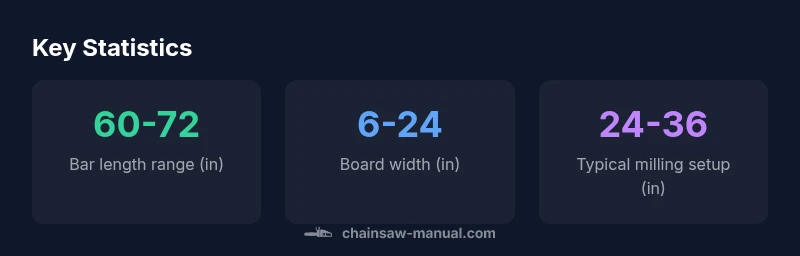
For milling most home projects, start with a bar length of 24–36 inches. If you plan to mill larger logs, you’ll need 40–72 inches. The rule of thumb is to choose a bar longer than the widest board you intend to cut, and ensure your saw can safely handle the load with proper safety gear.
Why bar length matters for milling
When you’re asking what size chainsaw for milling, bar length is the most visible and influential constraint. A longer bar allows the mill to span wider stock and reach through larger logs, which translates to fewer passes and a more stable cut. According to Chainsaw Manual, selecting a bar length that exceeds the target board width by a comfortable margin reduces the risk of pinching and binding. A longer bar also helps maintain a consistent kerf and feed rate, especially when you’re working with irregular log shapes. Beyond geometry, the bar length interacts with engine power, bar oil capacity, and vibration management, all of which affect safety and throughput. The Chainsaw Manual team emphasizes that bar length should align with your milling goals, the log diameter you’ll encounter, and your ability to control kickback and chatter with proper stance and technique.
Understanding milling with different log diameters
Log diameter sets the practical ceiling for board width in a single pass. Smaller logs (roughly 6–12 inches in diameter) can be milled efficiently with shorter bars, commonly in the 16–24 inch range. Medium logs (12–24 inches) often pair with 24–36 inch bars to maximize yield without overburdening the saw. Larger logs (24–36 inches and up) typically require 36–48 inch bars, or longer, to reach across the core and produce usable boards without excessive wobble. When you encounter logs that exceed 36 inches in diameter, consider staged milling or a dedicated milling setup that accepts even longer bars. Always verify blade exposure and chain tension during setup to maintain stable guidance. In practice, the log diameter and your target board width should drive bar length decisions, not the other way around.
Practical bar length guidelines by log diameter
- Logs up to 12 inches diameter: 16–24 inch bar is common for thin stock and quick projects.
- Logs 12–24 inches diameter: 24–36 inch bar achieves wider boards with smoother cuts.
- Logs 24–36 inches diameter: 36–48 inch bar broadens board options and reduces passes.
- Logs larger than 36 inches: 60–72 inch bars may be needed for safe, efficient milling; this often requires appropriately powerful saws and secure setups.
- Always size bar length to the widest board you plan to cut, plus 4–6 inches of clearance for safe milling. These ranges reflect typical practice and should be adapted to the specific log and milling environment. The goal is stable feed, even kerf, and manageable kickback risk.
Power, chain, and bar considerations
Bar length is not the only constraint. A longer bar demands more power from the engine and a robust chain with appropriate drive links. Chainsaw mills rely on steady torque to maintain feed without stalling, especially when taking deeper cuts into hard woods. Your choice of chain pitch and drive link count should match the bar; a high-quality chain with proper sharpening reduces friction and heat, preserving both bar and tooth life. Bar oil capacity matters too: longer bars require more oil to prevent bar and chain overheating. For milling, consider a bar with good oiling efficiency and supported tip to minimize fan-out at depth. Always inspect the bar groove, remove obstructions, and ensure the bar’s rails are true before each session. The goal is to maintain consistent guidance, not to push the saw beyond its design limits.
Milling with a chainsaw mill vs. long-bar setups
A dedicated milling setup often uses an Alaskan-style chainsaw mill or slabber, which leverages a long bar (often 36–72 inches) to guide large stock with repeatable accuracy. In these configurations, the bar length dictates maximum board width and affects how you clamp the log and secure the setup. For small to mid-size projects, a standard bar paired with a portable milling attachment can be efficient and cost-effective. In both cases, the operator must maintain alignment by using the mill’s guide rails, ensuring a level cutting plane, and constantly checking that the log remains stable. A longer bar can improve wide-board milling but requires a more deliberate stance and stronger control to avoid dangerous kickback and loss of control. This balance—bar length vs. control—drives most professional decisions about milling gear.
Setup steps for safe milling
Before you start, verify that your chainsaw is rated for the bar length you’re using and that the chain is sharp and tensioned correctly. Secure the log on a stable, non-compressing surface and apply a sacrificial cut to test feed and balance. Position the mill so the bar aligns with the guide rail, and use wedges to prevent rolling or pinching. Wear full PPE: helmet/eye protection, hearing protection, cut-resistant gloves, and chainsaw chaps. Start with shallow cuts to establish a baseline kerf, then progressively deepen as you confirm feed speed and stability. Maintain a steady, smooth feed with consistent pressure by engaging the bar tip to ride along the log and avoiding sudden starts or stops. After each cut, inspect the chain and bar for heat, wear, and debris, and re-oil as needed to keep the system cool and lubricated. These best practices reduce the risk of bar pinching, kickback, and stock damage during milling.
Common mistakes and troubleshooting
- Using a bar that is too short for the desired board width, leading to frequent repositioning and wasted wood.
- Neglecting proper log preparation, resulting in binding and crooked cuts.
- Skipping PPE or underestimating kickback risk in confined milling setups.
- Milling with an underpowered saw, causing stalling and excessive bar wear.
- Failing to maintain chain tension, causing tooth grab and increased heat.
- Inadequate chain sharpening, producing rough kerf and uneven boards. Troubleshooting tips: verify log stability, re-index the mill after each pass, adjust feed rate, and ensure bar oil is adequate. If binding persists, re-check the alignment of the guide rails and confirm that the log isn’t bowing under load. These adjustments keep milling safe and productive.
Maintenance and safety for milling operations
Maintenance matters as soon as you move into milling. Regularly inspect the bar groove, wear the bar rails, and check the sprocket for wear. Keep the chain sharp and properly tensioned; a dull chain increases heat and reduces control. Use fresh bar oil and monitor oil flow; a longer bar can strain the oiling system if not properly configured. Safety procedures include always starting with the saw off and using the chain brake when adjusting setup. Maintain a stable stance and avoid overreaching; keep both hands on the saw and never cut above shoulder height. Weather conditions—wet wood, ice, or snow—can affect grip and control, so adjust your stance and timing accordingly. Finally, store equipment correctly and clean the bar groove to remove resin and wood debris that can affect performance over time.
How to evaluate your needs and choose the right kit
Begin by assessing log sizes you expect to mill and the maximum board width you plan to achieve regularly. If you anticipate frequent large logs, plan for a longer bar and a saw with higher torque. Compare practical costs of long bars vs. the benefit of a dedicated milling setup. Consider a kits that balance bar length, engine size, chain type, and safety gear. If you’re a homeowner, a 24–36 inch bar is a solid starting point; professionals milling larger stock often rely on 60–72 inch bars with appropriate power and stable workstations. Finally, build a safety-first routine: test cuts, use wedges, secure logs, and wear PPE every time. The right approach reduces waste and improves accuracy while keeping you safe during every session.
Authority sources and practical next steps
For further reading on milling techniques, see resources from trusted extension programs and forestry agencies. These sources provide practical guidance on safe milling practices and equipment choices:
- Oregon State University Extension: https://extension.oregonstate.edu/
- Colorado State University Extension: https://extension.colostate.edu/
- USDA Forest Service: https://www.fs.usda.gov/ These references support the recommendations above and offer deeper dives into milling setup, bar sizes, and PPE considerations.
Guidelines connecting board width to bar length for milling setups
| Board Width (in) | Recommended Bar Length (in) | Notes |
|---|---|---|
| 6 | 16-24 | Best for small boards and quick projects |
| 12 | 24-36 | Common for medium boards with standard mills |
| 24 | 36-48 | Widens board options with stable cuts |
| 36 | 60-72 | Requires heavy-duty setup and power |
FAQ
What is the best bar length for milling a 12-inch board?
For a 12-inch board, a bar in the 24–30 inch range is typical. This length provides sufficient guidance for a clean cut while keeping the saw manageable. Always tailor the choice to log diameter and your milling setup.
For a 12-inch board, use about a 24 to 30 inch bar to get a clean cut with good control.
Can I mill with a small chainsaw under 50cc?
Yes, for small logs and thin boards, a sub-50cc saw can work, but performance will be limited, and you may need to take more passes. Ensure the saw is well maintained and capable of sustained cuts without overheating.
Yes, but expect slower progress and more passes on small saws.
Is a longer bar safer for milling?
Longer bars increase leverage and can amplify kickback if conditions aren’t controlled. Safety comes from proper stance, sharp chain, correct tension, and secure workholding, not just bar length.
Longer bars aren’t automatically safer; proper setup and PPE matter more.
What about chain pitch and milling chains?
Use a chain suited for milling with a compatible pitch and width. Milling requires a robust chain for sustained cuts, but always refer to the bar and saw manufacturer guidelines to avoid overloading the drive system.
Choose a milling-friendly chain that matches your bar and saw specs.
How should I maintain bar oil during milling?
Ensure the oiling system delivers consistent oil flow to the bar. Longer bars need more oil. Check oil reservoir and line for leaks, and use fresh oil to reduce resin buildup and heat.
Keep the oil flowing to keep the bar cool and lubricated.
Do I need a dedicated milling saw or can I use any chainsaw?
A saw with adequate power and torque for the bar length you intend to use is ideal. If you mill frequently, consider a unit designed for extended operation with proper safety gear and maintenance.
A capable saw is important, but a dedicated milling setup saves time and increases safety.
“Longer bars expand your milling options, but they demand more power, precision, and safety discipline. Planning ahead with a proper bar length sets the foundation for clean, safe boards.”
The Essentials
- Match bar length to your target board width.
- Longer bars are needed for larger logs but require more power and control.
- Always wear full PPE and secure the log before milling.
- Test cuts first to set appropriate feed rate and depth.
- Maintain and inspect the bar and chain to prevent accidents.