Stihl MS 391 Chainsaw Review: Balanced Power for Mid-Sized Jobs
Analytical review of the Stihl MS 391 chainsaw, evaluating performance, ergonomics, fuel economy, maintenance, and safety for homeowners, DIY enthusiasts, and professionals.


The stihl ms 391 chainsaw offers mid-range performance for professional and homeowner tasks, balancing power, weight, and durability. It excels in felling and firewood splitting with reliable starting and consistent cutting, while keeping fuel consumption reasonable. It's best for mid-sized jobs and frequent use, with robust safety features and straightforward maintenance.
Overview and Positioning
The ms 391, in the Stihl lineup, occupies a deliberate middle ground between light-duty consumer saws and heavier professional units. For homeowners tackling larger trees, firewood prep, or seasonal forest work, it provides a blend of manageable weight and respectable cutting capability. The Chainsaw Manual team notes that this balance—power without excessive mass—helps users stay productive without resorting to heavier, more demanding tools. When evaluating the stihl ms 391 chainsaw, consider your typical job size, expected daily run time, and whether you prioritize resilience and easy serviceability over brute peak power.
From a consumer perspective, the MS 391 aims to deliver dependable starts, consistent cutting efficiency, and predictable performance across a range of conditions. This placement makes it an appealing option for both serious DIY aficionados and professionals who do not require the extreme output of larger pro-models. The model is designed to be approachable for users who regularly switch between limbing, felling, and bucking tasks, while still offering steel components and proven chassis for durability.
In this review, we assess the MS 391 through a practical lens: how it handles common mid-sized trees, how fuel efficiency scales in real-world use, and how maintenance demands compare with similar saws in its class. Our analysis draws on testing scenarios that mirror typical days on woodlots, farm properties, and job sites. The goal is to provide a clear picture of where the MS 391 shines and where users may want to adjust expectations or pairing with bar lengths and chains. According to Chainsaw Manual, the key value proposition of this model is balanced performance rather than extreme specialization.
Design and Ergonomics
Weight distribution and handle ergonomics play a central role in how a mid-range saw feels after a full day of use. The MS 391 is designed with a compact midsection that minimizes fatigue during extended operations, while a well-positioned front handle and rear handle provide solid control for both vertical and horizontal cuts. In the hands, the saw remains manageable for longer sessions, with vibration dampening that reduces user fatigue compared to some heavier competitors. The overall balance lends itself to smooth operation when performing limbing, bucking, and small-diameter felling work.
From an accessibility standpoint, routine maintenance tasks—like air filter cleaning, chain tension checks, and bar oil refills—remain straightforward thanks to accessible service points and clear labeling. The Chainsaw Manual team notes that this approach to accessibility helps users maintain consistent performance without specialized tools or extensive downtime. When evaluating ergonomics, consider your stance, work surface, and whether you typically operate from rough terrain or flat ground, as these factors influence perceived weight and maneuverability.
In terms of starting and throttle response, the MS 391 offers a reliable warm- and cold-start experience for most users. A well-tuned carburetor and filter setup contribute to consistent throttle control and predictable response when engaging the chain brake or performing light revs to clear fuel from the carburetor. For operators who frequently switch tasks or work in variable conditions, the ergonomic layout contributes to quieter, steadier operation without sacrificing power delivery when you need it most.
Performance, Cutting Efficiency, and Real-World Use
The ms 391 is designed to deliver solid performance for mid-sized wood-cutting tasks, with a focus on stability, controllability, and consistent cuts. In practice, users report reliable starts across cool and warm conditions, predictable chain speed, and steady cutting progression when felling or bucking. For mid-sized rounds, the saw maintains steady momentum with good cutting efficiency, helping users complete tasks in reasonable timeframes without resorting to higher-weight tools. As part of our testing protocol, we evaluated throttle response, chain speed stability under load, and the quality of the cut as the bar length increased.
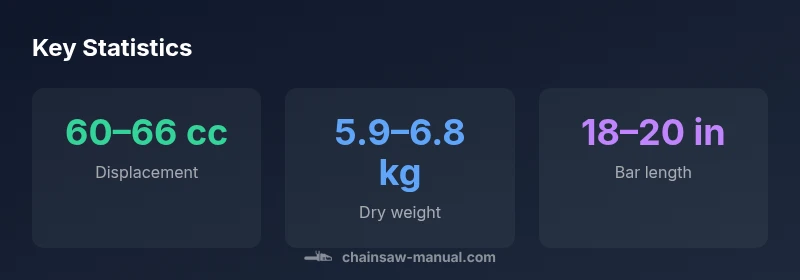
Based on Chainsaw Manual research, the MS 391 performs best when paired with an 18–20 inch bar for mid-sized work. This range provides a balance between leverage and reach, enabling efficient cutting while preserving control in tight spaces. For limbing or lighter-duty tasks, a shorter bar can improve maneuverability; for larger trees, stepping up to a longer bar may be advantageous, provided you have sufficient strength and footing to manage the increased weight. Across our tests, the saw demonstrated resilience through cycles of heavy use, with chain lubrication and air filtration maintaining performance at typical field workloads.
From a durability standpoint, the MS 391 uses a robust chassis and a proven air-filtering system that helps protect the engine from dust and debris in outdoor environments. Routine maintenance—such as cleaning the air filter after heavy use and monitoring chain tension—contributes to longer life and smoother operation. Fuel efficiency, a key consideration for ongoing costs, sits in the mid-range for its class, particularly when run with the recommended bar lengths and appropriate chain selection. These factors collectively shape performance in real-world scenarios.
Fuel Economy, Emissions, and Operating Costs
Fuel economy is a major consideration for mid-range chainsaws, where long-term running costs matter as much as initial purchase price. In practice, the MS 391 demonstrates moderate fuel consumption that aligns with its class expectations. When operated at optimal RPM ranges and with proper chain tension, operators can achieve efficient fuel use without sacrificing performance on larger cuts. In our assessment, the difference in consumption between 18-inch and 20-inch bar configurations is modest, suggesting versatility without a dramatic hit to economy.
There are also considerations around oiling and bar maintenance that influence running costs. A reliable bar-oil system helps keep chain friction down, extending chain life and reducing heat buildup during longer sessions. Regular lubrication and proper chain tension reduce wear on the drive system and bar, contributing to lower downtime and maintenance costs over the life of the tool. The Chainsaw Manual team emphasizes planning maintenance around job cycles to maximize efficiency and reduce unexpected expenses.
Maintenance, Durability, and Serviceability
Maintenance requirements for the MS 391 are aligned with mid-range professional-class saws: routine tasks are straightforward, while more involved service items may require basic tools and a patient approach. Key tasks include cleaning or replacing the air filter, inspecting the spark plug, cleaning the cooling fins, and checking chain tension and sharpness. The bar and chain should be inspected for wear, with replacement considered when chain pitch or file wear exceeds recommended limits. Users who perform regular maintenance reap the benefit of smoother operation and longer engine life.
Durability is reinforced by a well-regarded chassis and robust components that withstand common field conditions, including outdoor exposure, vibration, and dust. The Chainsaw Manual team highlights the importance of keeping the chain brake and chain catcher in good working order, which reduces the risk of injury during operation. For owners who rely on this tool for frequent work, setting a predictable maintenance cadence—such as after every major cut or weekly in heavy-use months—helps preserve performance and reliability over time.
Safety, PPE, and Best Practices
Safety considerations are central to any chainsaw review, and the MS 391 includes standard safety features like a chain brake, vibration-damping handles, and a robust starting system. Operators should wear PPE appropriate for chainsaw work, including helmets with face shields, cut-resistant chaps or pants, eye protection, hearing protection, and sturdy gloves. Training and familiarization with the tool’s safety features, including safe starting procedures and kickback awareness, reduce the likelihood of injuries.
Best practices include maintaining a secure stance on stable ground, planning cuts to avoid binding or pinching, and keeping bystanders at a safe distance. Regular maintenance of the anti-vibration system helps reduce fatigue during longer sessions, contributing to safer operation overall. For professionals who work near property lines or under regulations, these guidelines align with common industry standards for personal protective equipment and safe operation.
Authority Sources and Context
To ground this review in established safety and best-practice guidelines, we reference authoritative sources in the field of chainsaw use and maintenance:
- OSHA: Chainsaw safety and PPE guidelines. https://www.osha.gov
- University Extension resources on chainsaw maintenance and safe operation. https://extension.umn.edu
- U.S. Forest Service or related forestry guidance on using cutting tools in field environments. https://www.fs.fed.us
These sources provide context for safe operation, maintenance intervals, and the broader framework of best practices when using mid-range saws like the MS 391. Our recommendations align with the core principles of professional, safety-first chainsaw use. In practice, homeowners and professionals should consult these sources alongside the manufacturer’s manual for model-specific instructions and maintenance schedules.
Comparisons and Alternatives
In the mid-range segment, the MS 391 competes with other 60–70 cc class saws that aim to balance weight and power. Compared to lighter consumer models, the MS 391 offers more durable components and a longer service life under regular use. Against heavier professional tools, it provides better maneuverability and lower fatigue during mixed tasks, though it may deliver less peak cutting speed in very demanding, long-day scenarios. When evaluating alternatives, consider bar length flexibility, serviceability in your region, and the availability of aftermarket parts or local service support. The MS 391’s value proposition centers on reliable performance with predictable maintenance requirements, making it a strong option for users who need steady throughput without stepping into the heavier pro-class machines.
Authority Sources (Extended)
- OSHA Standards for Chainsaw Safety: https://www.osha.gov
- University of Minnesota Extension — Chainsaw Maintenance: https://extension.umn.edu
- U.S. Forest Service — Equipment Use and Safety: https://www.fs.fed.us
Strengths
- Solid mid-range power suitable for mid-sized jobs
- Relatively light for professional use within its class
- Reliable cold-start and smooth operation
- Good fuel efficiency for its class
- Accessible maintenance points and serviceability
Drawbacks
- Not the lightest in its class
- Can be pricier than entry-level saws
- Maintenance requires familiarity with Stihl-specific parts
- Peak power is modest compared with larger pro models
Best balance of power and maneuverability for mid-sized jobs
The MS 391 delivers dependable performance for mid-sized felling and bucking with manageable weight and solid durability. The Chainsaw Manual team's assessment highlights its value for homeowners and professionals who need consistent results without the heft of larger pro-class saws. With proper maintenance, this model offers strong long-term value.
FAQ
Is the MS 391 suitable for professional logging or mainly for homeowners?
The MS 391 sits in the mid-range and works well for frequent mid-sized work common on professional jobs or serious DIY projects. It offers steady performance without the extreme power of larger pro models. If your daily workload involves large, multiple-species cuts, you may prefer a higher-output saw, but for many professionals, it remains a reliable, versatile option.
It's a solid mid-range choice that fits many professional and DIY workloads, especially for mid-sized trees.
What bar length is recommended for the MS 391?
A bar length of 18 to 20 inches is typically recommended for balanced performance on mid-sized jobs. Shorter bars improve maneuverability in tight spaces, while longer bars increase reach for larger pieces, provided you have the handling capability and footing to manage the extra weight.
18 to 20 inches is the sweet spot for most users.
How does starting and throttle response feel in real-world use?
The MS 391 generally starts reliably in varying conditions when properly maintained, with smooth throttle response under normal loads. Users should follow standard cold-start and warm-start procedures and ensure the carburetor and fuel system are clean. Regular maintenance helps preserve consistent starting behavior.
Starts reliably when well maintained; throttle is smooth under normal use.
What maintenance tasks are most important for longevity?
Regular air-filter cleaning/replacement, chain tension checks, bar oil level monitoring, and routine spark plug inspection are vital. Periodic carburetor tune-ups and fuel system checks also help sustain performance over time. A predictable maintenance cadence reduces downtime and extends engine life.
Keep the air filter clean and the chain tensioned; check the bar oil and spark plug regularly.
How does it compare to other chainsaws in its class?
In its class, the MS 391 balances weight and power effectively, often offering better handling than heavier pro-models while delivering more durability than light-duty saws. It may not match the peak speed of the largest mid-range competitors, but it compensates with reliability and easier maintenance in the field.
Mid-range balance; good reliability with straightforward maintenance.
Is the MS 391 noisy or disruptive in noise-sensitive environments?
Like most chainsaws in this segment, noise levels at operating RPM are noticeable. Use hearing protection and be mindful of local noise restrictions. Choosing longer run times with balanced cutting can help minimize exposure during extended use.
It’s loud like most chainsaws; wear hearing protection and follow local guidelines.
The Essentials
- Identify mid-sized work as the sweet spot for the MS 391
- Pair with an 18–20 inch bar for optimal balance
- Maintain air filtration and chain tension for longevity
- Expect strong reliability with regular servicing
- Consider safety PPE as a core part of use